
Last updated November 15, 2026
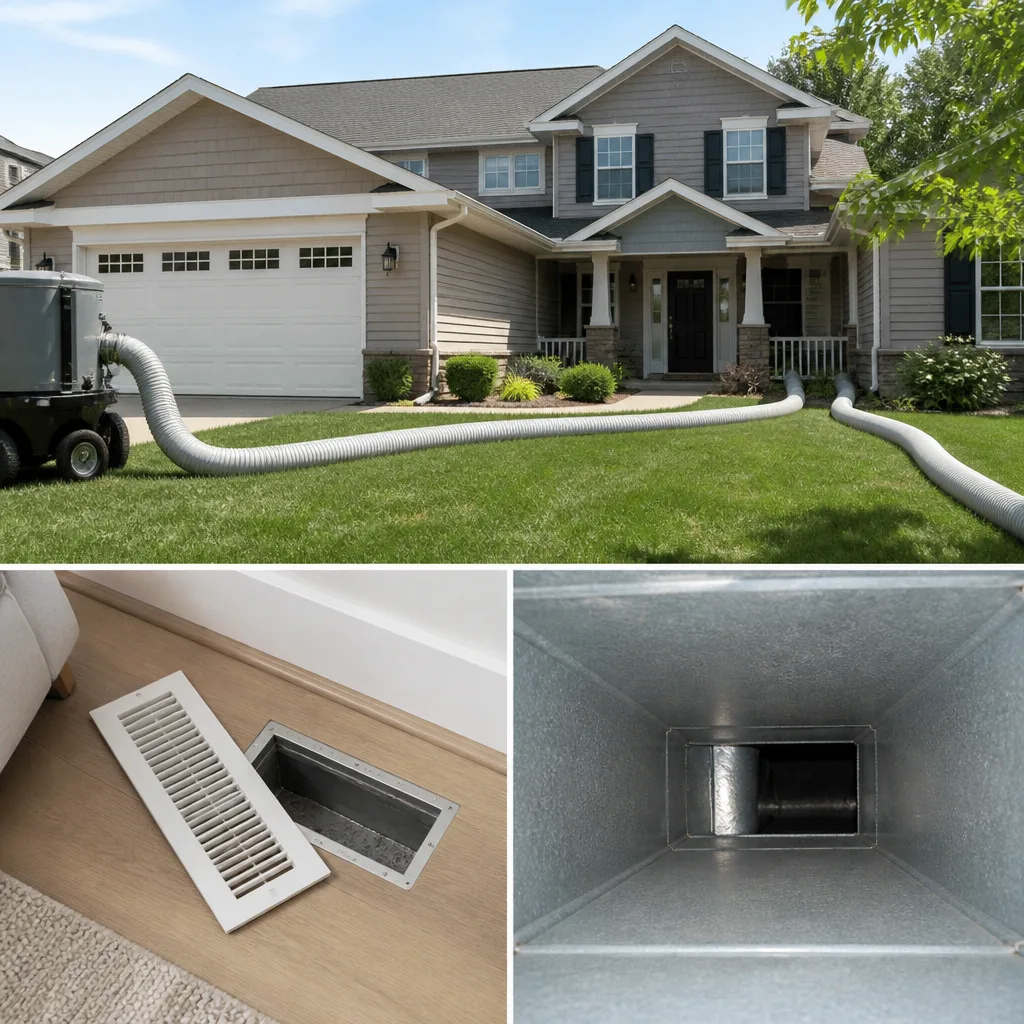 Whole-home duct cleaning
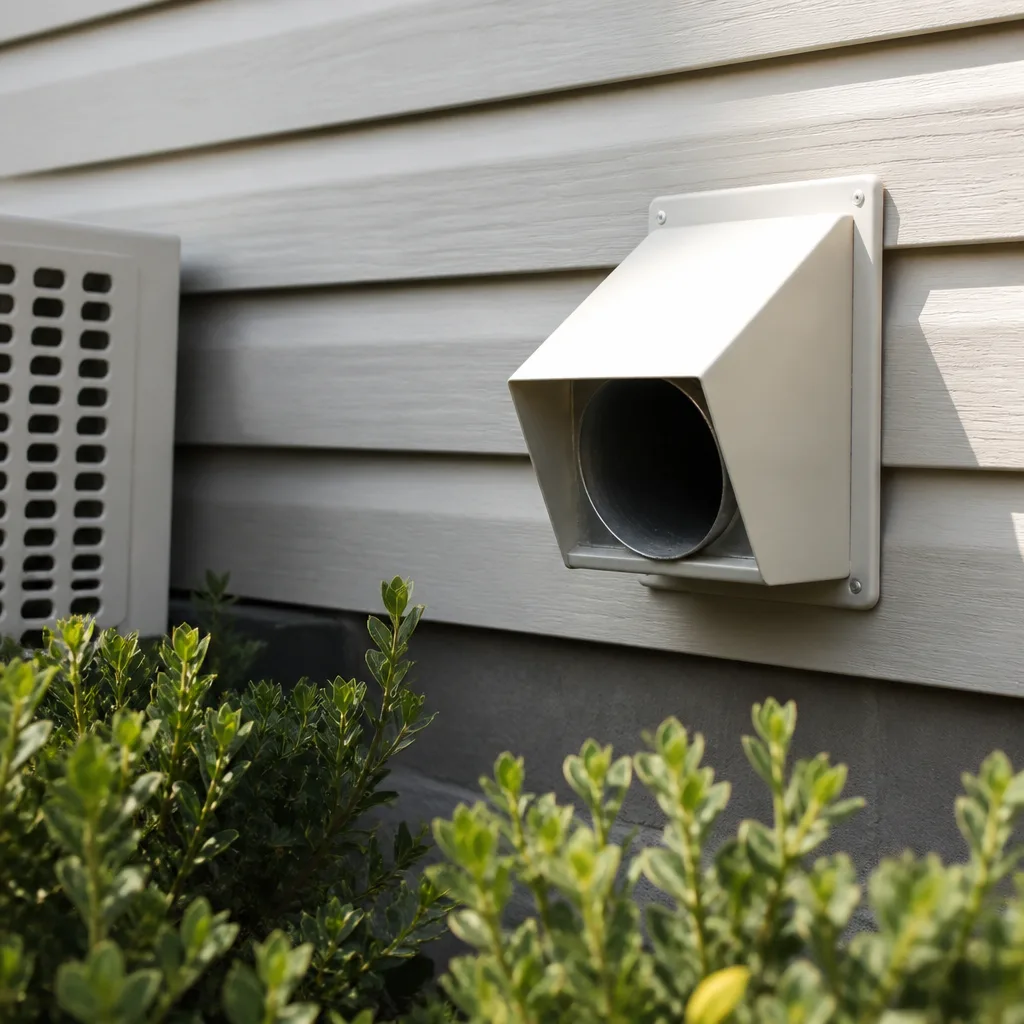 Dryer vent cleaning
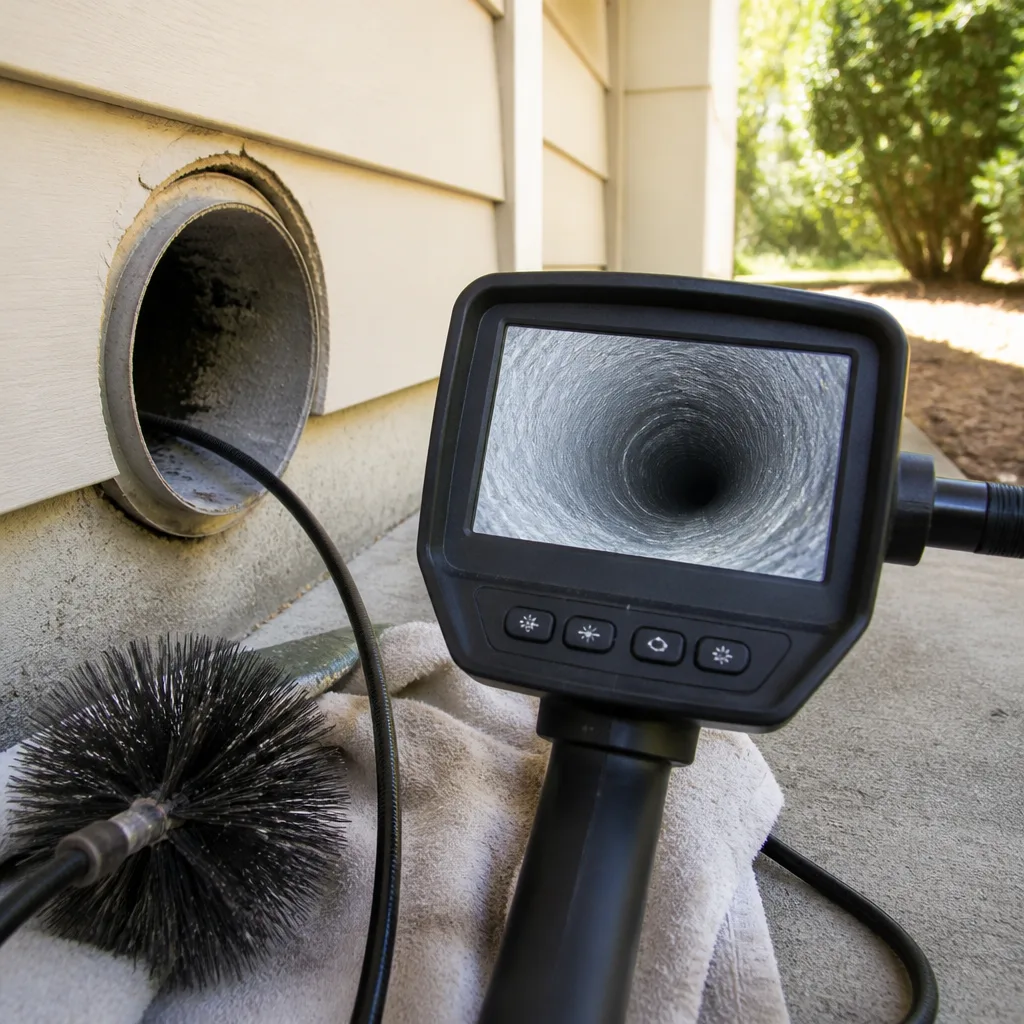 Camera inspection
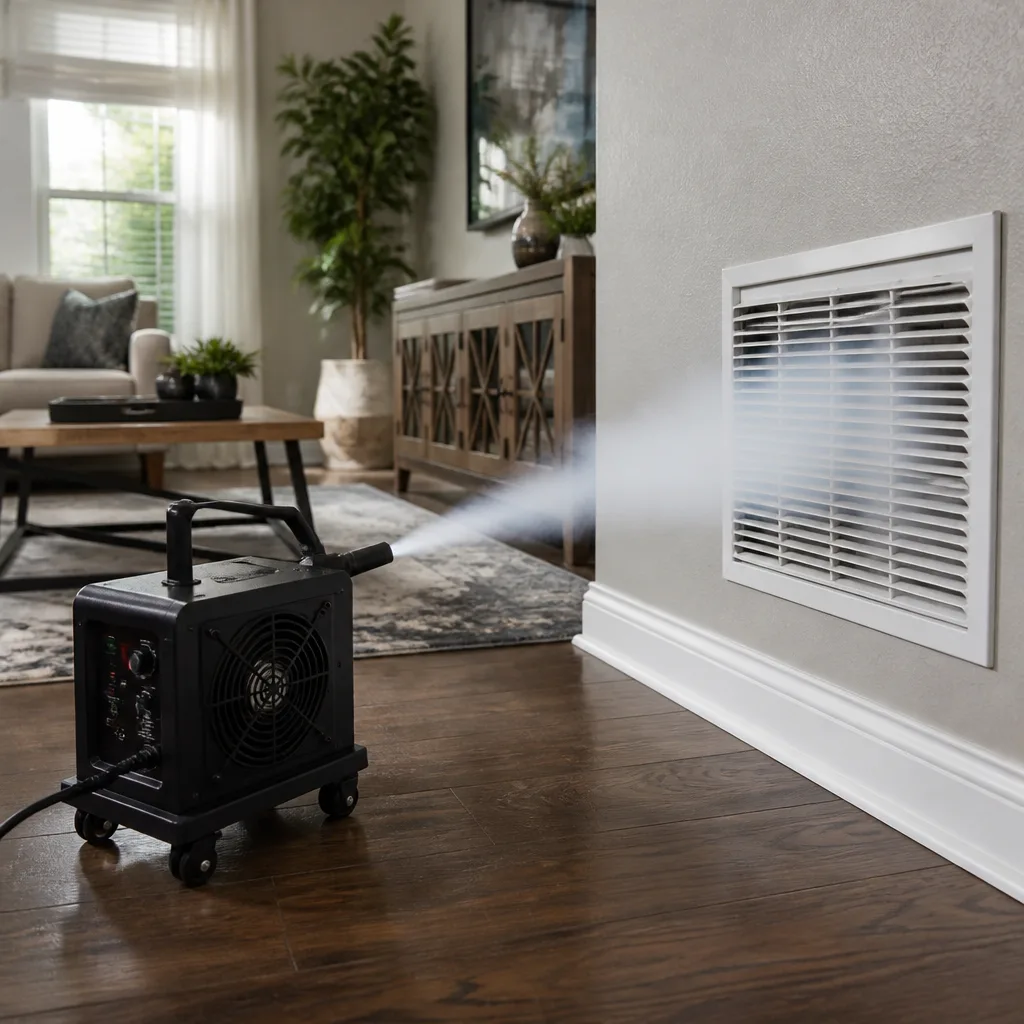 Sanitizing & deodorizing
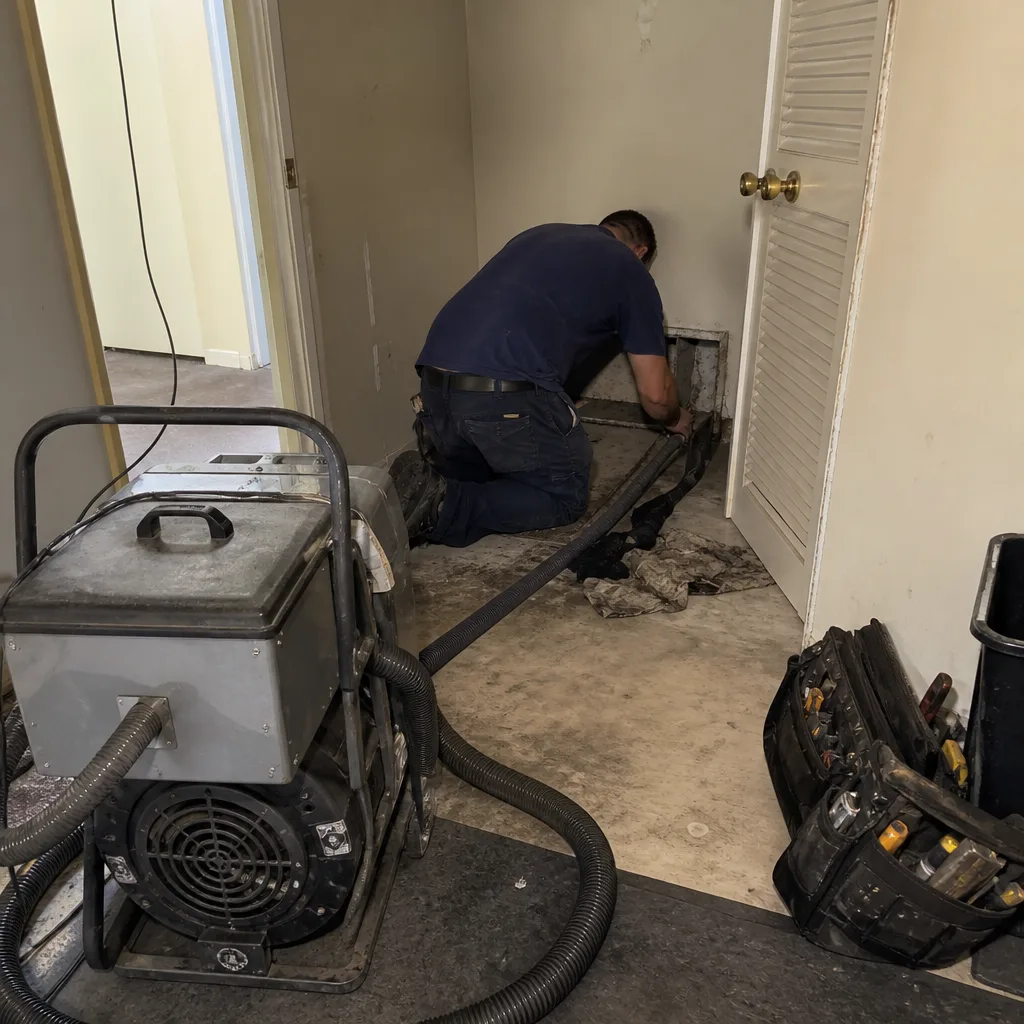
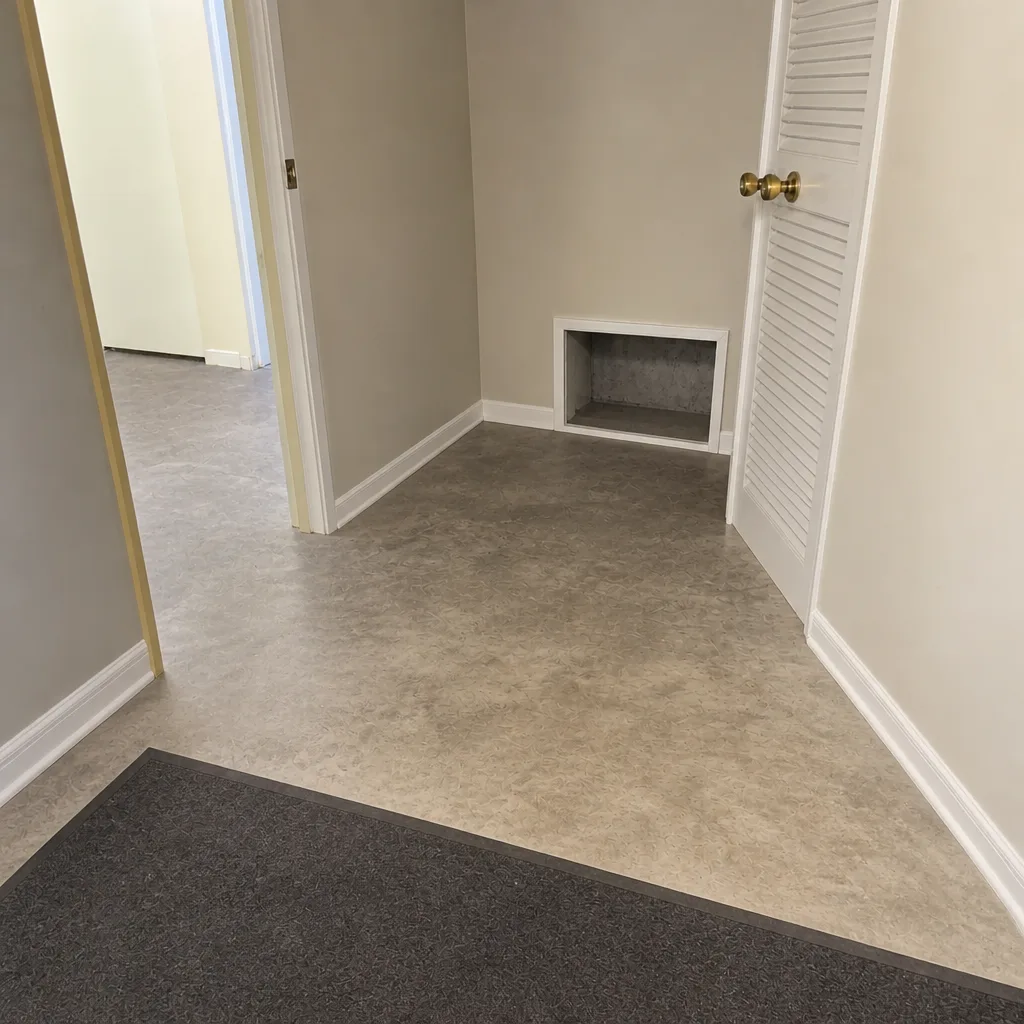
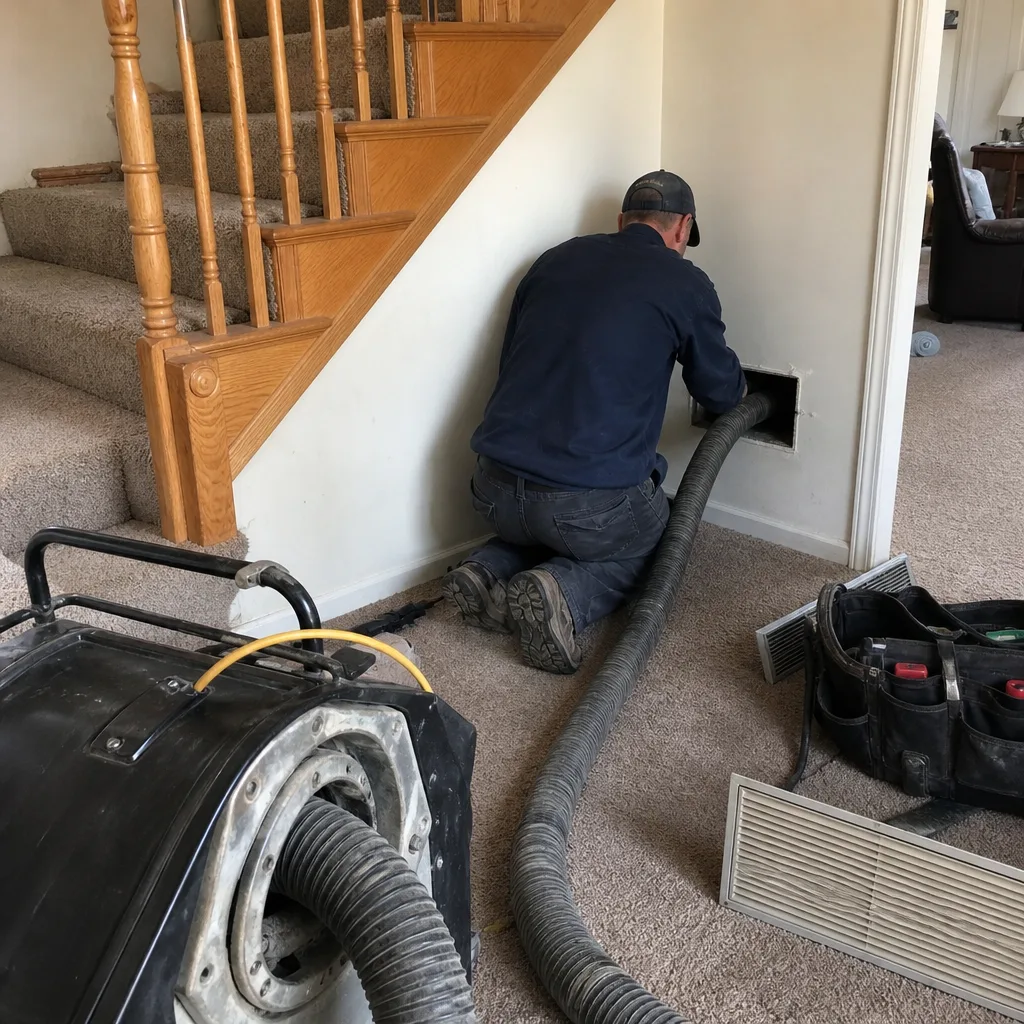
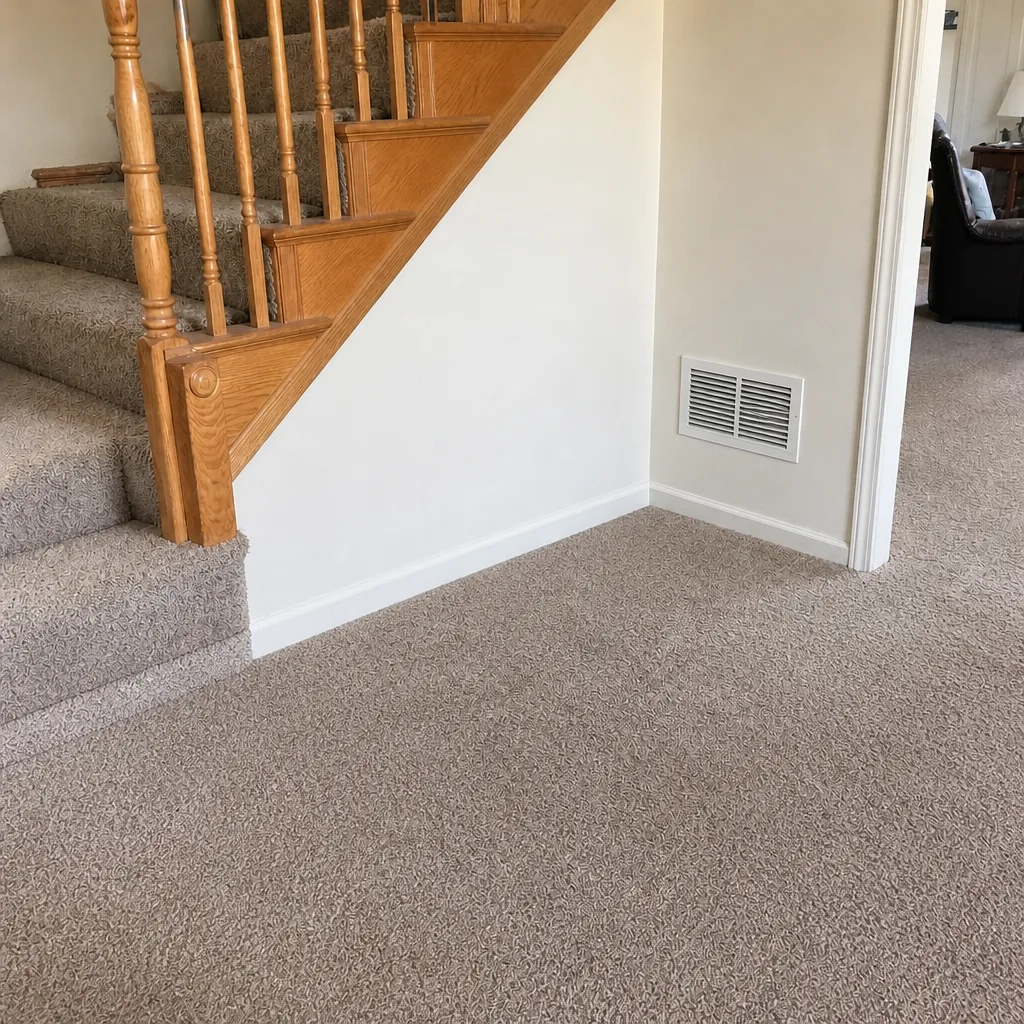
Whole-system duct and dryer vent check with before-and-after photos - you see exactly what came out of your vents
That "$99 whole-house special" is a bait ad - the real number appears once they are in your hallway, or the "clean" is a shop-vac at the register. We photograph the inside of your ducts before and after instead.
Air Duct Cleaning Permits, Codes & Inspections in Colorado Springs, CO: What You Need to Know
Here’s the part most homeowners never hear: the cleaning visit itself is the easy side of the rules. The moment a technician cuts into your ductwork, replaces a run of flex duct, or reseals a plenum connection, the job crosses from maintenance into construction, and different rules apply. That work often gets folded into a “cleaning” invoice without anyone explaining what changed. If a contractor altered your system without a permit, you may be carrying an undisclosed modification that inspectors and insurance adjusters will scrutinize later. This guide explains what needs a permit in Colorado Springs, what doesn’t, how to verify inspection, and where the real code boundaries sit.
Quick Answer
Routine air duct cleaning in Colorado Springs does not require a permit. Repair or modification of ductwork, including replacing sections, altering connections, or changing the system layout, generally does require a permit through the Pikes Peak Regional Building Department. If your ducts are insulated with older materials that may contain asbestos, disturb nothing until a licensed abatement contractor assesses it. Call (866) 293-3740 for guidance on which category your job falls into.
Styles & brands we work with
- Whole-home duct cleaning
- Dryer vent cleaning
- Camera inspection
- Sanitizing & deodorizing
Table of Contents
- Cleaning vs. Repair: Where the Permit Line Sits
- How the Pikes Peak Regional Building Department Fits In
- Asbestos in Older Duct Insulation: Why You Stop Before You Cut
- How to Verify Duct Repair Was Inspected and Closed
- The NADCA Standard: What Passes for Code When No State License Exists
- HOA Rules and CC&Rs: The Layer Above the Permit
- Why Colorado Springs Climate Makes Ductwork Work Harder
- Questions to Ask Before Anyone Opens Your Ducts
Cleaning vs. Repair: Where the Permit Line Sits
The distinction is straightforward once you see it. Cleaning removes debris from a system that stays physically the same. Repair and modification change the system. Only the second category touches the permit system.
In our experience working across Colorado Springs, this is the single biggest point of confusion we encounter. A homeowner books a cleaning, a technician spots a crushed flex run or a disconnected joint behind a register, and the fix gets done on the spot. Sometimes that’s exactly what the homeowner wants. What matters is that they understand what happened and what it means for the record.
What counts as cleaning, no permit needed:
- Mechanical agitation of duct interiors with rotary tooling
- Negative-pressure extraction and filtration of the airstream
- Cleaning registers, grilles, and diffusers
- Cleaning the air handler cabinet exterior and accessible coils
- Cleaning dryer vent runs
What counts as repair or modification, permit territory:
- Replacing a section of rigid or flex duct
- Resealing or rebuilding a plenum connection at the furnace or air handler
- Adding, removing, or relocating a supply or return branch
- Changing duct sizing or rerouting a run
- Repairing a duct that has separated in a concealed space like a chase or attic
The practical test: if the shape, routing, or connections of the system change, ask about a permit before the tool goes in. If your ducts are just dirty, you’re in the maintenance lane. For an overview of what a standard visit looks like, see our air duct cleaning page.
How the Pikes Peak Regional Building Department Fits In
Colorado Springs and most of El Paso County fall under the Pikes Peak Regional Building Department for permitting and inspection. That’s the authority that issues mechanical permits and inspects ductwork modifications. It is not a city-only office, which surprises people who assume Colorado Springs runs its own building department for this kind of work.
When a duct repair requires a permit, here is the sequence that should happen:
- Scope is written down. What’s being replaced or changed, and where, gets described before work starts.
- A mechanical permit is pulled. This is the contractor’s job, not yours. If a contractor suggests skipping it, that’s a signal.
- The work is performed and, critically, left accessible or documented. Concealed work needs to be visible for inspection before it’s closed up.
- The inspection is requested and passed. An inspector looks at the modification against the permit scope.
- The permit is closed. This is the step homeowners forget to confirm, and it’s the one that matters at resale.
If you’re unsure whether your specific job needs a permit, call Pikes Peak Regional Building Department directly and describe the work in plain terms. They’ll tell you. We’d rather a homeowner confirm the rule than assume either way, because the assumption goes wrong in both directions. Some people over-permit a simple cleaning. Others skip a permit on a job that genuinely needed one.
Asbestos in Older Duct Insulation: Why You Stop Before You Cut
This is the section that gets skipped in most guides, and it’s the one with the highest stakes. Older homes in Colorado Springs, particularly those built in decades when asbestos-containing materials were common in duct wrap, duct board, and joint tape, can have insulation around or inside the duct system that should never be cut, torn, or aggressively agitated.
We can’t tell you from a distance whether your specific ducts contain asbestos. Nobody can. What we can tell you is the correct response when there’s any doubt: stop, and get it tested. A sample taken by a qualified professional and analyzed by a lab settles the question.
If asbestos is confirmed, the work is no longer a cleaning job. Disturbing asbestos-containing material is regulated, and the removal or encapsulation has to be handled by a licensed abatement contractor working under the applicable rules. A duct cleaning company is not that contractor, and a reputable one will tell you so rather than proceed.
What this means in practice:
- If your home predates the era when asbestos duct materials were phased out, ask about testing before any invasive work.
- Aggressive brushing or rotary cleaning on friable asbestos-containing duct board can release fibers. That’s the risk to avoid.
- If a cleaning company offers to “just clean around it,” ask what their asbestos protocol is. A vague answer is your answer.
- Abatement happens first. Cleaning and repair come after, and only once the system is cleared.
We treat this as a hard stop, not a sales obstacle. The right move is always to identify the material before touching it.
How to Verify Duct Repair Was Inspected and Closed
An open permit is a loose thread that unravels at the worst possible time: during a home sale, an insurance claim, or a refinance appraisal. Here’s how to confirm your duct repair was done and closed properly.
- Ask for the permit number. Any contractor who pulled a permit can give you the number. Write it down.
- Check it with Pikes Peak Regional Building Department. Their records show permit status, inspection history, and whether it’s been closed out.
- Look for the inspection record. A passed inspection is logged. If the permit shows “issued” but no inspection, the job isn’t finished on paper.
- Request the final documentation in writing. When the permit closes, ask for confirmation you can keep with your home records.
- Flag it before a sale. If you’re planning to list your Colorado Springs home, resolve any open duct permits before the buyer’s inspector finds them.
What an open permit means for a future sale is simple: it’s a red flag. A buyer’s inspector will note it, the buyer’s agent will ask about it, and you’ll be explaining a modification you may not have authorized knowingly. Closing it out early avoids that conversation entirely.
Insurance is the other angle. If a claim involves your HVAC system and there’s an undisclosed, unpermitted modification in the ductwork, an adjuster will want to understand who did the work and whether it was done to code. Documentation is your protection.
The NADCA Standard: What Passes for Code When No State License Exists
Colorado does not license air duct cleaning companies the way it licenses electricians or plumbers. There’s no state-issued duct cleaning license to check. That absence is exactly why the industry’s own written standard matters so much here.
The NADCA ACR standard, the Assessment, Cleaning, and Restoration standard published by the National Air Duct Cleaners Association, functions as the de facto code of practice for this trade. It defines how a system should be assessed before cleaning, what cleaning actually means in measurable terms, and how restoration work should be documented. When no state rulebook exists, this is the rulebook serious contractors follow.
What the ACR standard gives you as a homeowner:
- A definition of “clean” that’s based on visible surface condition, not a vibe
- An expectation that the system is assessed before work begins, not after
- Guidance on source removal rather than just blowing debris around
- A framework for before-and-after verification, including photos
In our experience, the contractors who can speak to the ACR standard are the ones who take the work seriously. Our technicians have up to 9 years of experience, and we work with professional-grade equipment from Rotobrush and Nikro rather than portable vacuums dressed up as commercial tools. That equipment choice matters because the standard assumes real negative pressure and real agitation, not a shop vac with a hose.
Ask any company you’re considering what standard they work to. If they don’t have an answer, that tells you something about how they’d handle the more complicated question of a duct repair found mid-job.
HOA Rules and CC&Rs: The Layer Above the Permit
Colorado Springs has a substantial number of HOA-governed communities, and many of them have covenants, conditions, and restrictions that reach further than the building code does. Before you schedule any duct system modification, read the CC&Rs or ask your HOA manager directly.
Why would an HOA care about ductwork? Because some modifications touch things the covenants control. Exterior vent terminations, changes to roofline penetrations, modifications visible from common areas, and in some associations, any work that alters the mechanical system’s documented specifications, can all fall under CC&R language. A duct repair that adds a new exterior vent or relocates a termination can run into association rules even when the building department is satisfied.
What to do:
- Pull your CC&Rs and search for terms like “mechanical,” “HVAC,” “exterior modification,” and “architectural review.”
- If the work changes anything on the exterior of the home, expect architectural review.
- Pure interior cleaning, with no modification, typically doesn’t trigger HOA review. Confirm with your manager if you’re unsure.
- Keep your permit and HOA approval documents together. Both may be requested at resale.
The permit and the CC&R are two separate gates. Clearing one doesn’t clear the other.
Why Colorado Springs Climate Makes Ductwork Work Harder
The climate here is not gentle on ductwork. Colorado Springs sits at high elevation with dry air, wide temperature swings between day and night, and a heating season that runs long. That combination puts real stress on every joint, seal, and connection in the system.
What that means for the permit question: the dry air and thermal cycling accelerate the failure modes that turn cleaning into repair. Tapes crack. Mastic dries and pulls away. Flex duct connections loosen at the collars. In a damper climate, some of these failures would take much longer to show up. Here, they surface faster.
In our experience, this is why duct repairs get discovered during cleaning visits so often in Colorado Springs. The technician is already in the system, the failure is already there, and the homeowner is hearing about it for the first time. That’s not a reason to avoid the repair. It’s a reason to know in advance what the repair triggers, and to ask before the work begins whether a permit is required for what’s being proposed.
The altitude matters for another reason too. System performance is calibrated to the conditions it runs in, and a duct modification that changes static pressure has real effects on how the system heats and cools a Colorado Springs home through the season. This is also why dryer vent work deserves its own attention: a clogged dryer vent is a documented fire risk, and we treat dryer vent cleaning as a standalone safety service rather than something bolted onto a duct visit.
Questions to Ask Before Anyone Opens Your Ducts
Five questions separate a contractor who knows the rules from one who hopes you don’t ask.
- “Is what you’re proposing cleaning or modification?” Get a plain answer. If they can’t distinguish the two, they may not know the permit rules.
- “Will this work require a permit, and will you pull it?” The right answer for any structural change is yes, and the contractor pulls it, not you.
- “What’s your protocol if the duct insulation might contain asbestos?” The answer should involve testing and abatement, not “we’ll be careful.”
- “What equipment are you using?” Professional-grade systems from recognized manufacturers, not a portable vacuum. Ask to see it if you want.
- “Can I get before-and-after photos?” You should see what changed. That’s how you verify the work independently.
A company that answers all five cleanly is one you can work with. One that dodges the permit question is one to keep at arm’s length. If you’re comparing providers, our Flagship Air Duct Cleaning overview explains how we approach the assessment step before any tool goes in.
Common Mistakes to Avoid
- Assuming a cleaning quote covers everything. If the technician finds a crushed flex run and proposes a fix, that’s a separate scope with its own rules. Ask what category the fix falls into before it happens.
- Letting a contractor skip the permit “to save time.” In Colorado Springs, the permit exists to protect you at resale and during an insurance claim. A contractor who suggests skipping it is shifting the risk onto you.
- Cutting into older duct insulation without testing. Disturbing asbestos-containing material is a regulated activity, and the cleanup cost of getting it wrong is far higher than a test.
- Never checking whether the permit was closed. The permit being issued is not the finish line. The inspection passing and the permit closing is.
- Forgetting the HOA layer. In HOA-governed Colorado Springs communities, a building permit doesn’t clear a covenant violation. Check both before work starts.
- Accepting a coupon price as the whole price. A low teaser that grows once the technician is on site is the industry’s oldest problem. Ask for one flat price per system, agreed in writing, before anything starts.
- Not asking for before-and-after photos. Without documentation, you have no way to know what was actually done. Photos of your own ducts, not stock images, are the baseline.
See the difference
 Before
 After
 Before
 After
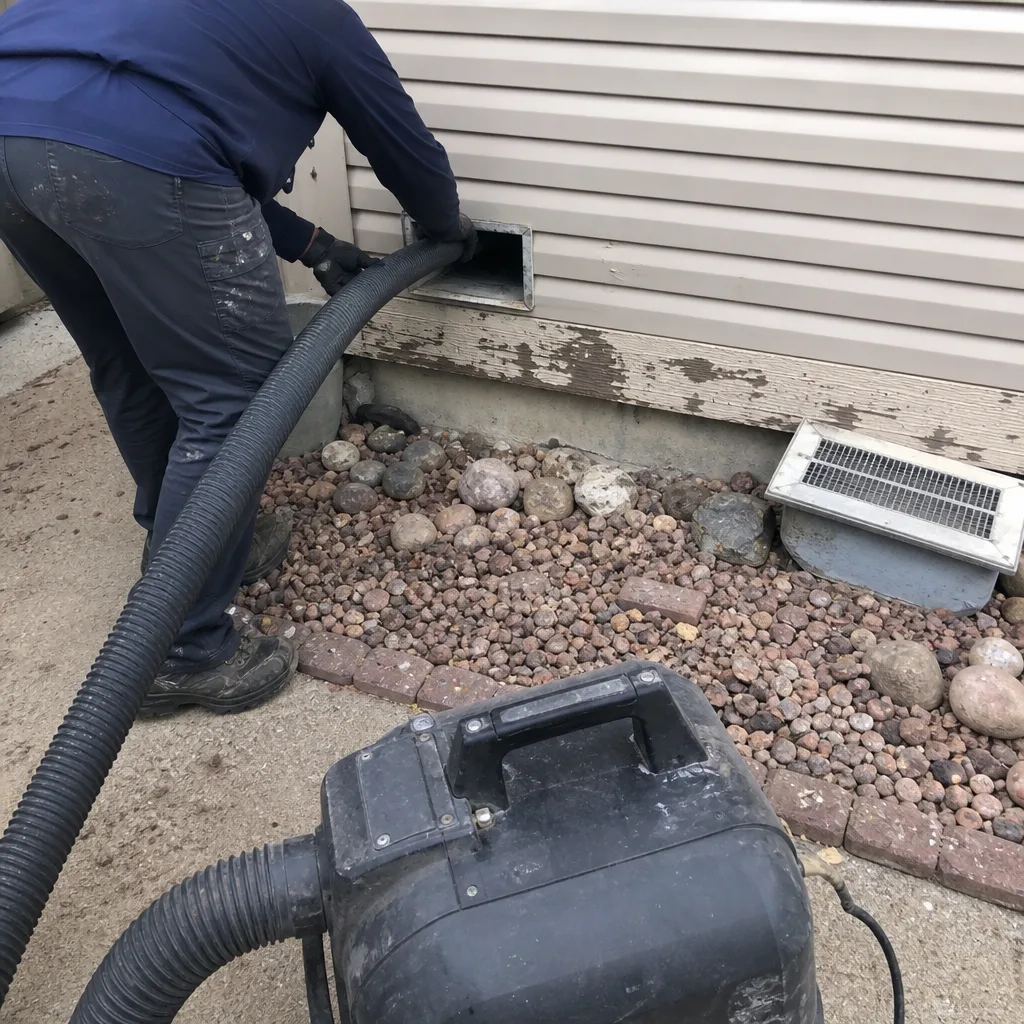 Before
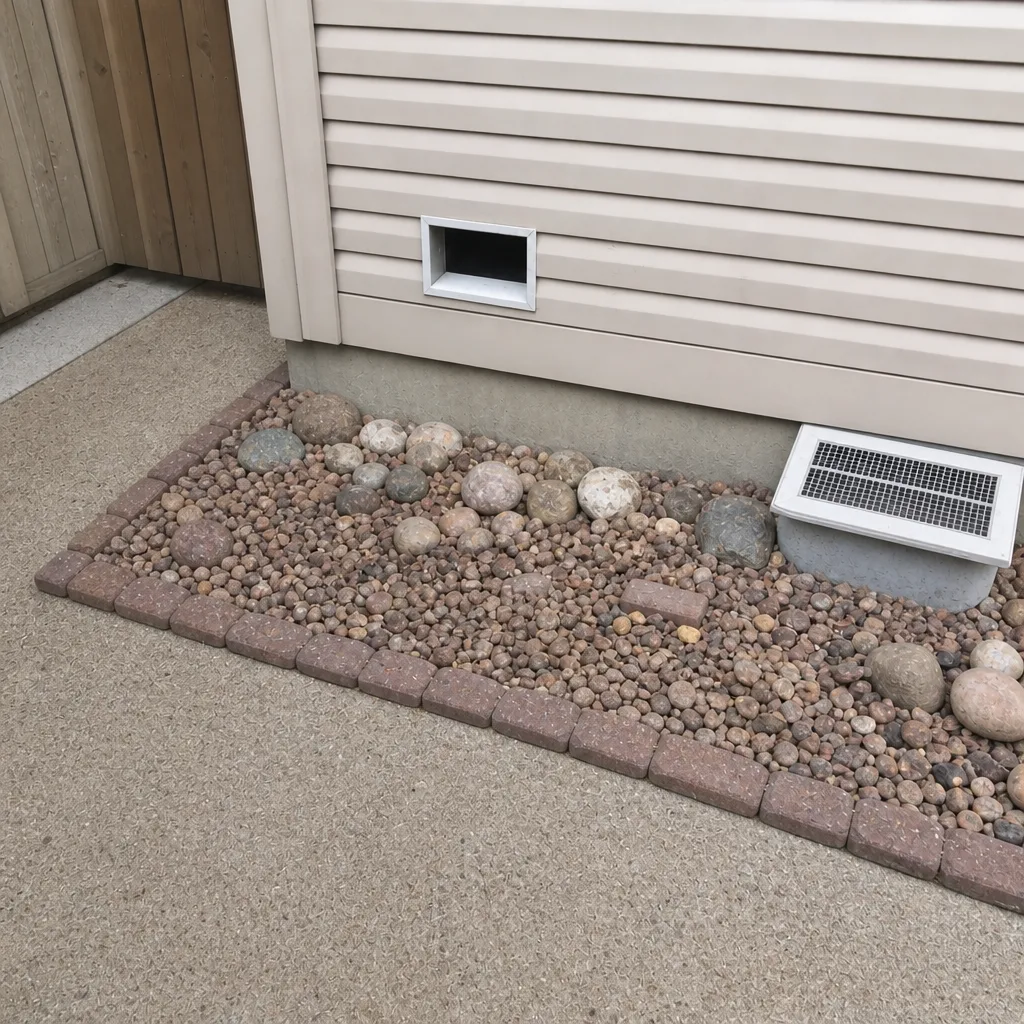 After
When to Call a Professional
Some situations are clearly a professional job. If your ducts are visibly clogged at the registers, if you’re noticing airflow dropping room by room, if you’ve had recent renovation work that generated dust, or if you can’t remember the last time the system was assessed, it’s time to have someone look. If your dryer takes two cycles to dry a load, that vent needs attention before anything else. And if anyone proposes a duct repair that involves cutting, replacing, or resealing, you need a contractor who knows the permit rules and will handle them properly.
Flagship Air Duct Cleaning offers free estimates in Colorado Springs. Call (866) 293-3740. We answer 24/7. Fast dispatch from 7am to 7pm, Sunday through Friday. We clean it, and if we find damage, we fix it, all with one team handling the assessment, the work, and the documentation.
Frequently Asked Questions
No. Routine air duct cleaning in Colorado Springs does not require a permit because the system itself isn’t being changed. The permit requirement applies to repair and modification work: replacing duct sections, altering connections, or rerouting runs. If you’re uncertain which category your job falls into, call (866) 293-3740 and we’ll help you sort it out. Estimates are free.
The Pikes Peak Regional Building Department handles mechanical permits and inspections for Colorado Springs and most of El Paso County. Contractors pull the permit; the department inspects the work against the permit scope. You can check any permit’s status directly with them using the permit number.
Ask for the permit number, then check it with Pikes Peak Regional Building Department. Their records will show whether the permit was issued, whether an inspection occurred, and whether it’s been closed. A permit that was issued but never inspected is not finished, and that matters if you sell your Colorado Springs home.
Stop before any cutting or aggressive cleaning. Have the material tested by a qualified professional. If asbestos is confirmed, the work has to go to a licensed abatement contractor; a duct cleaning company isn’t the right provider for that step. Once the system is cleared, cleaning and repair can proceed. Call (866) 293-3740 if you want to talk through what testing looks like.
Colorado doesn’t license duct cleaners, so the NADCA ACR standard is the de facto code of practice here. It defines what “clean” means, requires assessment before cleaning, and calls for documented verification. Our technicians have up to 9 years of experience and work with professional-grade equipment from Rotobrush and Nikro. Ask any company you’re considering which standard they work to.
It depends on what the work changes. Pure interior cleaning usually doesn’t trigger HOA review. Modifications that touch the exterior of the home, add a vent termination, or alter the system’s documented specifications can fall under your CC&Rs. Check with your HOA manager before scheduling anything that modifies the system. Call (866) 293-3740 for an exact quote once you know where you stand.
The Bottom Line
Cleaning your ducts doesn’t require a permit in Colorado Springs. Repairing or modifying them almost certainly does, and that’s the distinction most homeowners only learn after the fact. Confirm the category before the work starts, pull the permit through Pikes Peak Regional Building Department when it’s needed, and verify the inspection was closed. Test older insulation for asbestos before anyone cuts into it, check your CC&Rs if you’re in an HOA community, and hold contractors to the NADCA ACR standard. One flat price per system, agreed in writing, before anything starts. That’s the standard we build every job to. Call (866) 293-3740. We answer 24/7. Fast dispatch from 7am to 7pm, Sunday through Friday.
Written by the team at Flagship Air Duct Cleaning.