
Last updated November 15, 2026
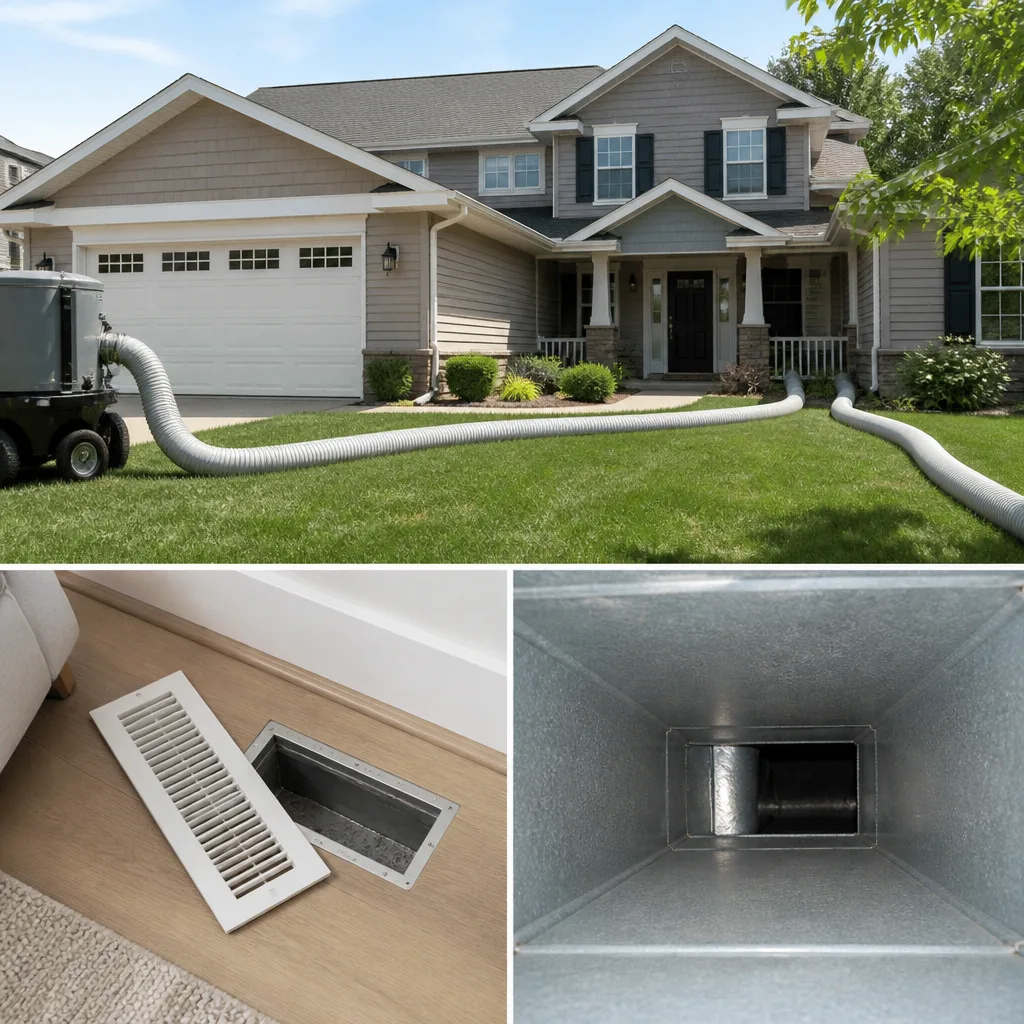 Whole-home duct cleaning
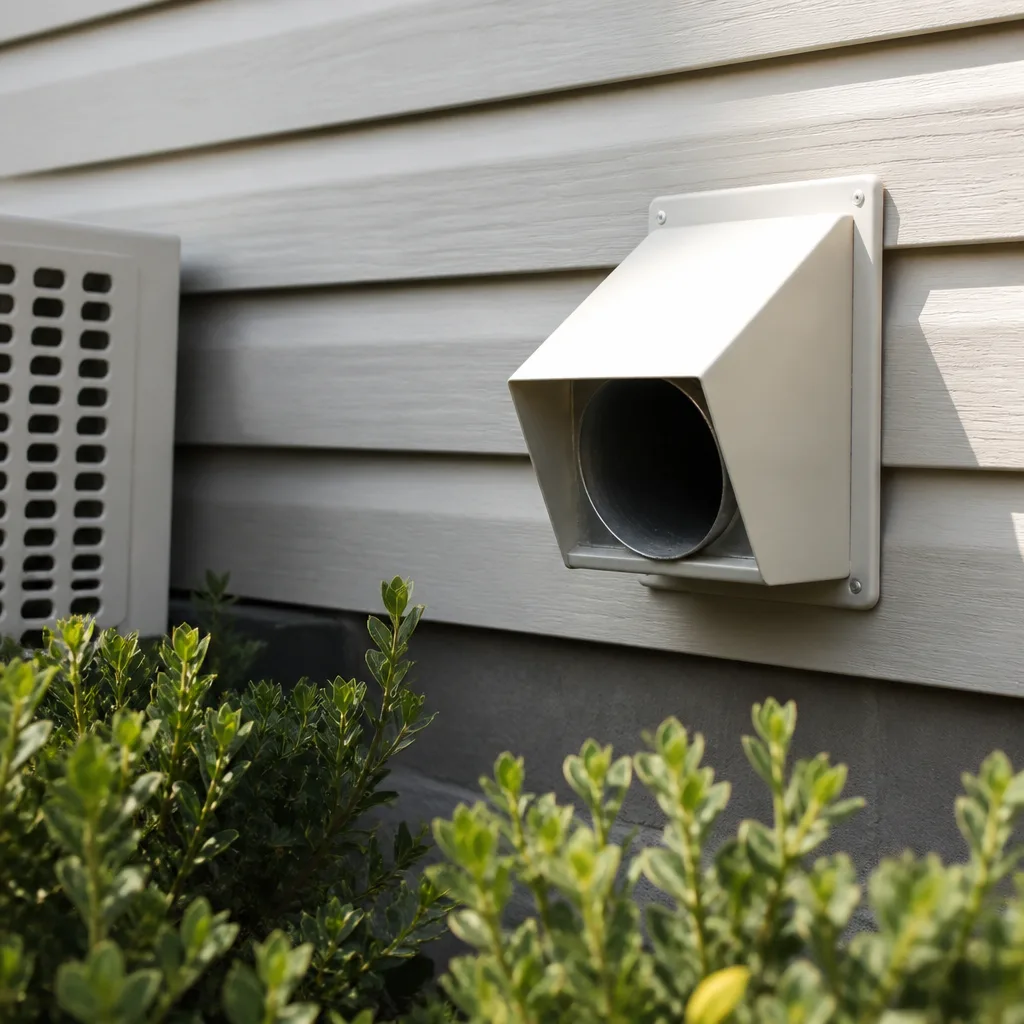 Dryer vent cleaning
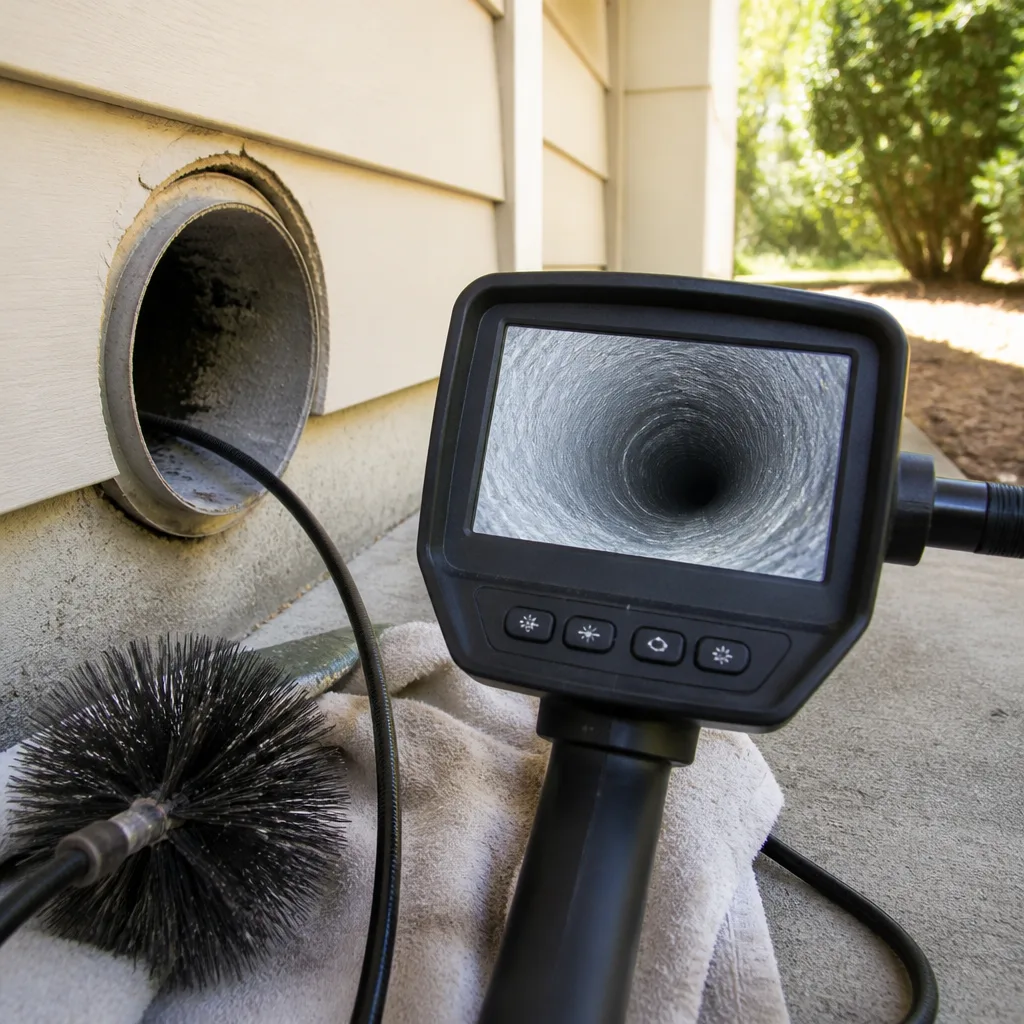 Camera inspection
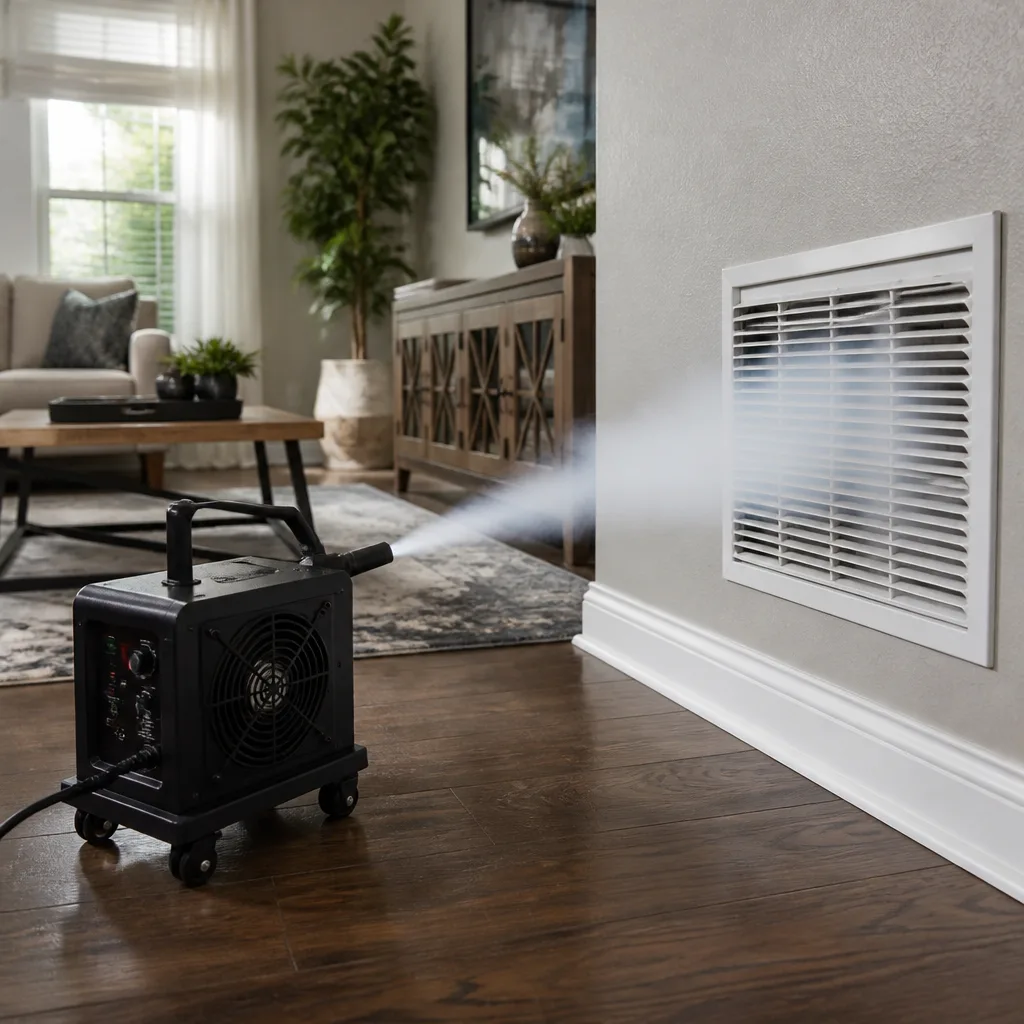 Sanitizing & deodorizing
Whole-system duct and dryer vent check with before-and-after photos - you see exactly what came out of your vents
That "$99 whole-house special" is a bait ad - the real number appears once they are in your hallway, or the "clean" is a shop-vac at the register. We photograph the inside of your ducts before and after instead.
Choosing the Right Air Duct Cleaning Brand: A Buyer’s Guide for Colorado Springs
Most homeowners in Colorado Springs treat the equipment brands printed on a duct cleaning quote as credentialing noise: a logo, a name, a raised eyebrow of reassurance. That’s a costly misread. Rotobrush, Nikro, and Abatement Technologies aren’t interchangeable badges, they’re fundamentally different cleaning platforms. Rotobrush is a contact system built around a rotating brush. Nikro is a negative-pressure system that pulls contamination out under suction. Abatement Technologies builds HEPA filtration and containment equipment for controlled environments. A shop that owns one may not own the other two. This guide explains what each platform actually does, which duct configurations each suits, and the questions you need to ask a Colorado Springs contractor before you hire.
Quick Answer
The right air duct cleaning brand for your Colorado Springs home is the contractor whose equipment matches your duct system and contamination level, not the one with the biggest logo. A rotating-brush contact system like Rotobrush suits standard residential sheet-metal ductwork with moderate buildup, while negative-pressure source removal systems like Nikro are the right call for heavily contaminated systems or post-remediation clearance, and HEPA containment equipment matters when work happens near suspect materials. Ask any contractor which specific platform they’ll deploy and why, not just which brand they stock.
Styles & brands we work with
- Whole-home duct cleaning
- Dryer vent cleaning
- Camera inspection
- Sanitizing & deodorizing
Table of Contents
- Why “Brand” in Duct Cleaning Means Equipment Platform, Not Logo
- What Rotobrush Does: Contact Cleaning and Where It Fits
- How Nikro Negative Pressure Works and When It’s Required
- When Abatement Technologies HEPA Containment Is the Right Tool
- Why a Multi-Platform Contractor Can Diagnose Before Prescribing
- What Colorado Springs Homes Actually Run: Duct Types and Climate Pressures
- Questions to Ask Any Colorado Springs Contractor About Equipment
- How to Verify the Work Was Done Right
Why “Brand” in Duct Cleaning Means Equipment Platform, Not Logo
When you search for the best air duct cleaning company Colorado Springs homeowners can hire, the results blur together: coupon prices, star ratings, the same stock photos of a technician in a white van. What you can actually verify is narrower and more useful. The cleaning platform matters far more than the company name on the truck.
There are three broad platform families in residential and light-commercial duct cleaning:
- Contact cleaning systems. Tools that physically scrub duct interior surfaces with rotating brushes or whips, then collect the dislodged material with an attached vacuum. Rotobrush is the recognizable name in this category.
- Negative pressure source removal systems. High-powered HEPA-filtered vacuums that put the entire duct system under negative pressure and pull contamination toward a single collection point. Nikro builds some of the most respected platforms in this space.
- Containment and filtration systems. Equipment designed to filter air at high efficiency and contain airborne particles during disturbance, especially where materials of concern are present. Abatement Technologies is a name you’ll see here.
These aren’t competitors. They solve different problems. Contact cleaning dislodges and removes surface accumulation from accessible ductwork. Negative pressure prevents the dislodged material from drifting back into living space while work is happening. Containment equipment protects the indoor environment when fine particulates or suspect materials are present.
In our experience, the contractors who do the cleanest work in Colorado Springs tend to own and operate more than one of these platforms, because no single piece of equipment handles every duct configuration and contamination level in this housing stock.
What Rotobrush Does: Contact Cleaning and Where It Fits
Rotobrush is a rotating-brush contact cleaning system, meaning the brush physically touches and scrubs duct interior surfaces while a hose attached to the brush head collects what it loosens. It’s the most common platform in residential work, and for good reason: it’s flexible enough to reach into branches, transitions, and return plenums that a rigid system can’t maneuver through.
Rotobrush technology is well suited to these situations:
- Standard residential sheet-metal ductwork. Six-inch round branch runs and rectangular trunks are exactly what this platform was designed to clean.
- Moderate dust and debris accumulation. Typical buildup from years of normal use in a household without pets or recent remodeling.
- Tight, twisty duct layouts. Flexible brush shafts can navigate turns a rigid hose can’t.
- Registers and return grilles. Brush heads access the openings you can see as well as the runs behind them.
Where contact cleaning alone falls short: heavily contaminated systems where the volume of debris is significant, ductwork with suspected microbial growth, or setups where the vacuum attached to the brush can’t move enough air to keep dislodged particles in the collection stream. In those cases, a contractor who only operates a Rotobrush-class system will either rush the job or do it inadequately. In our experience, an honest technician tells you when the tool doesn’t match the problem.
A common misconception is that Rotobrush is a consumer-grade vacuum. It isn’t, but it isn’t a negative-pressure source removal system either. It’s a specialized contact-cleaner, and it works best when paired with a whole-system vacuum running at the same time. That pairing is what you should ask about. If a Colorado Springs contractor mentions they run Rotobrush but can’t tell you how they’re handling the collection side, that’s your cue to keep asking. If the ductwork underneath the debris turns out to be damaged, sealant failure or crushed runs, the work should move from cleaning to air duct cleaning with repair capability behind it, which is a distinction worth checking before you book.
How Nikro Negative Pressure Works and When It’s Required
Nikro negative pressure systems operate on a different principle than contact cleaning. A large HEPA-filtered vacuum unit connects to one end of the duct system and pulls a continuous stream of air through the entire run. Contamination is drawn toward the collection point and captured in filters, and it never has a chance to settle back into the living space. Meanwhile, the technician works the ducts from the interior, agitating buildup into the airstream with air whips or brushes.
Negative pressure is the preferred methodology for:
- Heavily contaminated systems. Ducts that haven’t been cleaned in a long time, or have visible debris at the registers, need volume removal and airflow, not just surface scrubbing.
- Post-remediation clearance. After a water event, pest intrusion, or construction dust episode, negative pressure pulls residual contamination out of the system rather than moving it around.
- Systems with visible microbial growth. When contamination of a biological concern is suspected, controlled airflow and HEPA filtration are the priority, not scrubbing.
- Older homes with drop-ceiling or exposed ductwork. In Colorado Springs, plenty of mid-century homes on the west side and in the older neighborhoods around Old North End have duct configurations where negative pressure is more efficient than contact cleaning alone.
If you’ve had a fire, water damage, or pest problem, and the ductwork is going to be cleaned, ask whether the contractor deploys a Nikro-class negative pressure system. If the answer is yes, ask them for the CFM rating of the vacuum unit, because airflow capacity determines whether the system can actually pull from every branch of the run. High CFM isn’t a marketing number; it’s the mechanism that makes source removal work.
One caution: negative pressure alone doesn’t do the full job on a standard residential layout, because the collection is only as good as the seals and connections at the trunk. The most thorough jobs combine negative pressure with in-duct brushing, which is why multi-platform capability matters. We clean it, and if we find damage, we fix it, and that review step happens whether the platform running the job is contact cleaning or negative pressure.
When Abatement Technologies HEPA Containment Is the Right Tool
Abatement Technologies equipment is built around HEPA filtration and containment. Where Rotobrush and Nikro are cleaning and removal tools, Abatement Technologies platforms are about keeping fine particulates out of the air people breathe during work. That’s a distinct function, and for certain homes it’s not optional.
HEPA containment matters most in these scenarios:
- Asbestos-adjacent situations. Homes built before the mid-1980s frequently contain materials elsewhere in the house (flooring, insulation, joint compound) that may include asbestos, and any ductwork that passes through those areas warrants caution. If there’s any reason to suspect disturbed suspect material, containment and proper protocols become a licensed abatement question, and that’s a conversation to have with a remediation professional, not a duct cleaning crew.
- Mold remediation contexts. When mold remediation has been performed in the home, ductwork can be the last place residual spores settle, and negative-pressure cleaning with HEPA exhaust is the appropriate method for clearance work.
- Occupants with respiratory conditions. HEPA filtration during and after cleaning keeps the indoor environment stable for people whose lungs are already under pressure.
- Post-construction cleaning. Fine drywall dust and construction debris linger for years. HEPA containment during cleaning makes the difference between moving the dust and removing it.
Not every duct cleaning job needs this level of engineering. But the fact that a contractor owns or can source abatement-grade equipment tells you something about how they think. If a Colorado Springs contractor lists Abatement Technologies among the equipment they work with, it’s worth asking exactly how and when they deploy it. And if they’re pulling a shop vac out of a hatchback and telling you it’s fine, that’s your signal the platform conversation isn’t happening at all.
Why a Multi-Platform Contractor Can Diagnose Before Prescribing
A contractor who owns only one platform will use that platform on every job. That’s not out of malice, it’s physics. When your only tool is a rotating brush, every system looks like a moderately contaminated standard duct run. The trouble is that homes in Colorado Springs don’t sit in a single category.
Here’s what the diagnostic-first process looks like in practice:
- Inspect the system before pricing it. Registers, returns, plenum, trunk lines, the air handler if accessible. The technician should look before they quote, not quote over the phone and hope.
- Assess contamination type and volume. Ordinary dust is one thing. Pet dander, construction debris, mold-suspect growth, or pest evidence are all different problems and warrant different tools.
- Check duct configuration. Round sheet metal, rectangular trunk, flex duct, or a mix. Duct material and layout determine which brush heads and which negative-pressure connections are appropriate.
- Identify the right platform (or platforms) for the job. A standard residential clean with moderate dust gets contact cleaning. A heavily contaminated or post-event system gets negative pressure, and often both. Anything with suspect materials gets containment.
- Agree on a flat price for the whole system before work begins. A written quote that shows what’s happening, not a per-vent coupon that grows an invoice once the truck is in the driveway.
This is what a Flagship Air Duct Cleaning approach looks like from the customer side. One flat price per system agreed before work starts, before-and-after photos of your own ducts, and the ability to move from cleaning into repair if damage turns up mid-job. For households with an existing Colorado Springs HVAC system that includes a Honeywell or Aprilaire filtration component, the diagnosis step needs to include checking that the filter and its housing aren’t disturbed, which is a distinct skill from cleaning ductwork. We work with your existing Honeywell or Aprilaire system, not around it.
What Colorado Springs Homes Actually Run: Duct Types and Climate Pressures
Colorado Springs isn’t a single housing stock. The city’s ductwork varies dramatically street to street depending on when homes were built and what the original system was designed for.
Here’s a rough picture of what we encounter across the Colorado Springs area:
- Older central neighborhoods. Homes in Old Colorado City, the Old North End, and around Colorado College often have original sheet-metal duct systems that have been retrofitted once or twice over their lives. Ductwork in these properties frequently mixes legacy rectangular trunk lines with later round runs, and it rewards a technician who can switch tools branch by branch.
- Mid-century west-side and Broadmoor-area homes. These homes often have non-standard duct layouts with tight transitions and limited plenum space. A rigid negative-pressure connection may not reach into every run, and contact cleaning has to do more of the work.
- Suburban builds on the north and east side. Newer construction in neighborhoods like Briargate tends toward flex duct, which requires gentler brush heads and careful pressure management. Flex duct is easy to damage with the wrong approach.
- Mountain-shadow homes with wood-burning heat. Wood smoke and ash, combined with the Front Range’s dry winter air that pulls fine dust through foundation gaps and returns, can push contamination into the ductwork at higher rates than the coastal climate many duct cleaning guides assume.
Add in the region’s elevation and dry air. Homes here heat dry air through the winter and cool it in summer, and the system cycles harder through a wider temperature swing than ducts in a milder climate. Ducts see more air-volume cycling and accumulate airborne dust faster. That’s the practical reason Colorado Springs homes often need cleaning at the shorter end of the standard three-to-five-year window, especially if anyone in the household has pets or asthma.
Questions to Ask Any Colorado Springs Contractor About Equipment
Don’t ask which brand they use. Ask which platform they’ll deploy, why, and what the equipment specifications are. These questions separate specialists from coupon-driven operators:
- Which cleaning platform will you use on my system, and why? A specific answer (contact cleaning, negative pressure source removal, or a combination) tells you whether the contractor is diagnosing. A vague one tells you they’re applying a template.
- What is the CFM rating of your negative-pressure unit? If they claim source removal capacity, airflow is the number that determines whether it works. A contractor who can’t answer probably doesn’t run one.
- How are you containing dislodged material during cleaning? Negative pressure and HEPA filtration should be part of the answer for any non-trivial job. If the answer is “the brush has a hose attached,” ask what’s on the other end of the hose.
- Do you inspect the system before quoting, or price it per vent over the phone? Per-vent pricing is a bait-and-switch pattern. Whole-system pricing after an inspection is the honest model.
- Can you show before-and-after photos of my own ductwork? Photos of your specific system, not stock images, are the single best confirmation the work was actually done.
- If you find damage mid-job, can you repair it, or will I need a second company? Crushed flex duct, disconnected transitions, and failed seals are common discoveries during cleaning. A single provider that also handles dryer vent cleaning and duct repair keeps you from orchestrating multiple contractors.
- Do you work with existing IAQ components? If you have a Honeywell or Aprilaire filtration unit tied into the system, ask how they’ll avoid disturbing or voiding it.
Our technicians have up to 9 years of experience and work with Rotobrush, Nikro, and Abatement Technologies platforms. We answer 24/7. Fast dispatch from 7am to 7pm, Sunday through Friday. The estimate is free and set per job by the written estimate.
How to Verify the Work Was Done Right
Anybody can spray a wand into a register and call it cleaned. Verification matters as much as the platform choice. Here’s what a properly completed job should look like:
- Before-and-after photos of your system. Register-level and plenum-level photos of your own ducts are the benchmark. Ask for them before the invoice, and hold onto them.
- Proper containment during cleaning. Registers should be sealed or covered; furniture in the working area should be protected; a HEPA vacuum should be running at the collection point throughout.
- A clear explanation of what was found. The technician should be able to tell you at the end what they saw, what they removed, and what, if anything, was damaged.
- An honest scope. Three services, done well: air duct cleaning, dryer vent cleaning, and air duct repair. If someone offers mold remediation or HVAC installation, ask whether that work is theirs or subcontracted.
- A written estimate before work starts. If the price changes once the technician is in the house, the quote wasn’t honest. The written estimate sets the final price.
We can work with your insurer if the situation involves an event claim, and we recommend getting more than one estimate before committing to a Colorado Springs contractor, so you can compare how they diagnose and what platforms they name.
Common Mistakes to Avoid
- Booking on price per vent alone. A cheap per-vent number that doubles when the technician is in the driveway is the standard bait-and-switch pattern. Ask for whole-system pricing after an inspection instead.
- Treating a rotating brush as a source removal system. Contact cleaning is excellent for moderately soiled standard residential ductwork. It isn’t the right tool for a heavily contaminated system, and a contractor who uses it as one is doing less than the job requires.
- Assuming a shop vac is a professional system. If the equipment doesn’t have HEPA filtration, real CFM output, and a collection-side vacuum, it’s a consumable tool, not a duct cleaning platform. Ask for model names.
- Overlooking the dryer vent. The dryer vent is often treated as an add-on. It shouldn’t be. A clogged dryer vent is a documented cause of residential fires according to the U.S. Fire Administration. It deserves its own inspection and service on its own schedule.
- Hiring without asking about IAQ compatibility. A Honeywell or Aprilaire in-line filter setup can be damaged or bypassed by a technician who doesn’t work with those systems. Ask before the work starts.
- Not asking who does the repairs. A crushed duct or disconnected transition discovered during cleaning should be repairable by the same provider. If it isn’t, you’re scheduling two invoices and hoping the handoff works.
- Skipping the before-and-after photos. Photos are the only proof of work in a service you can’t watch happening inside the walls. Ask for photos of your own ducts, not stock images.
See the difference
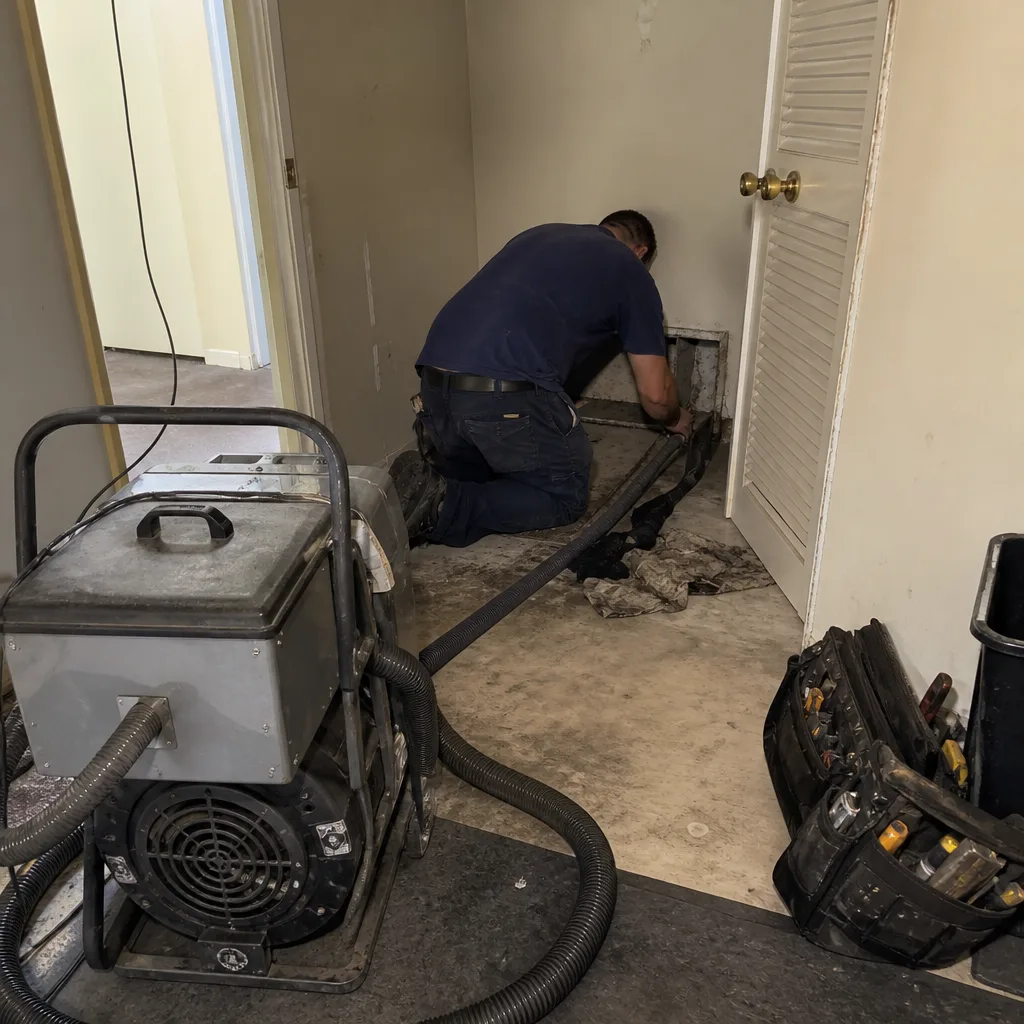 Before
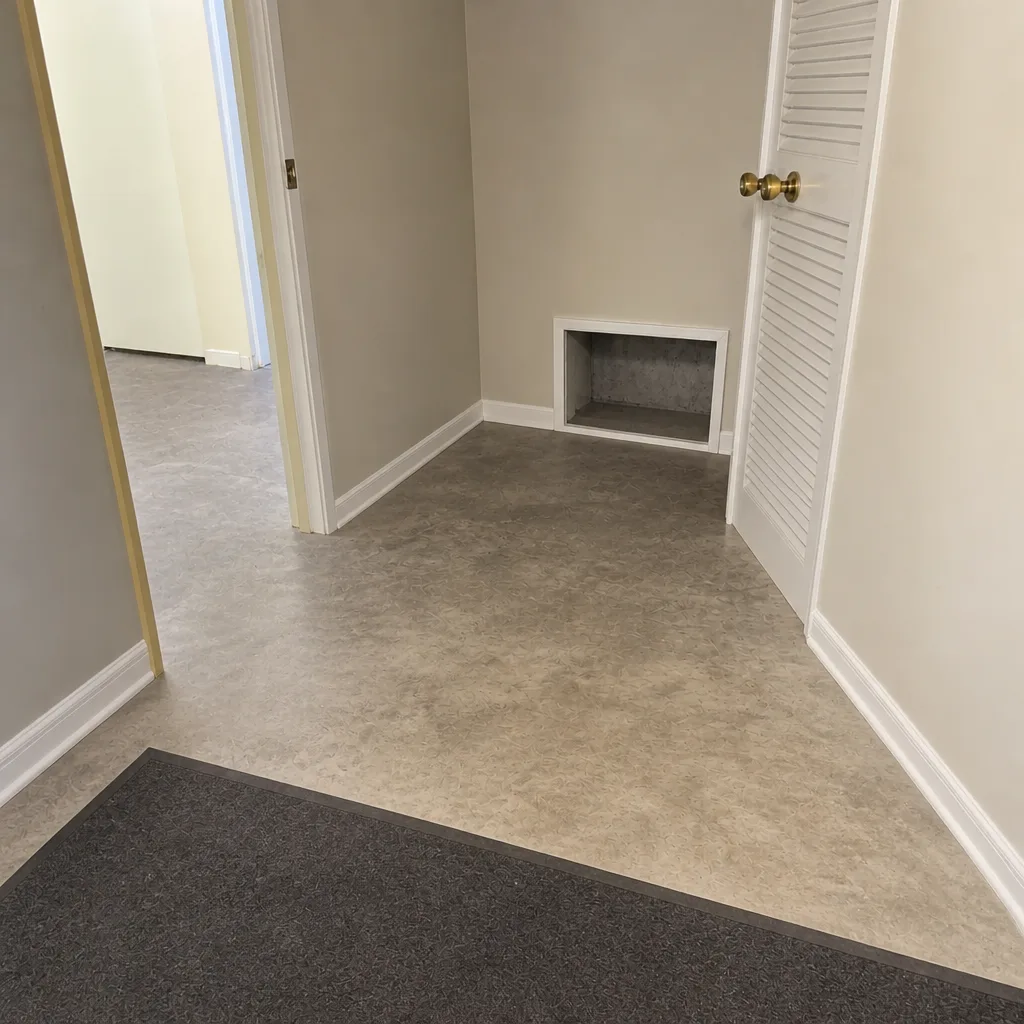 After
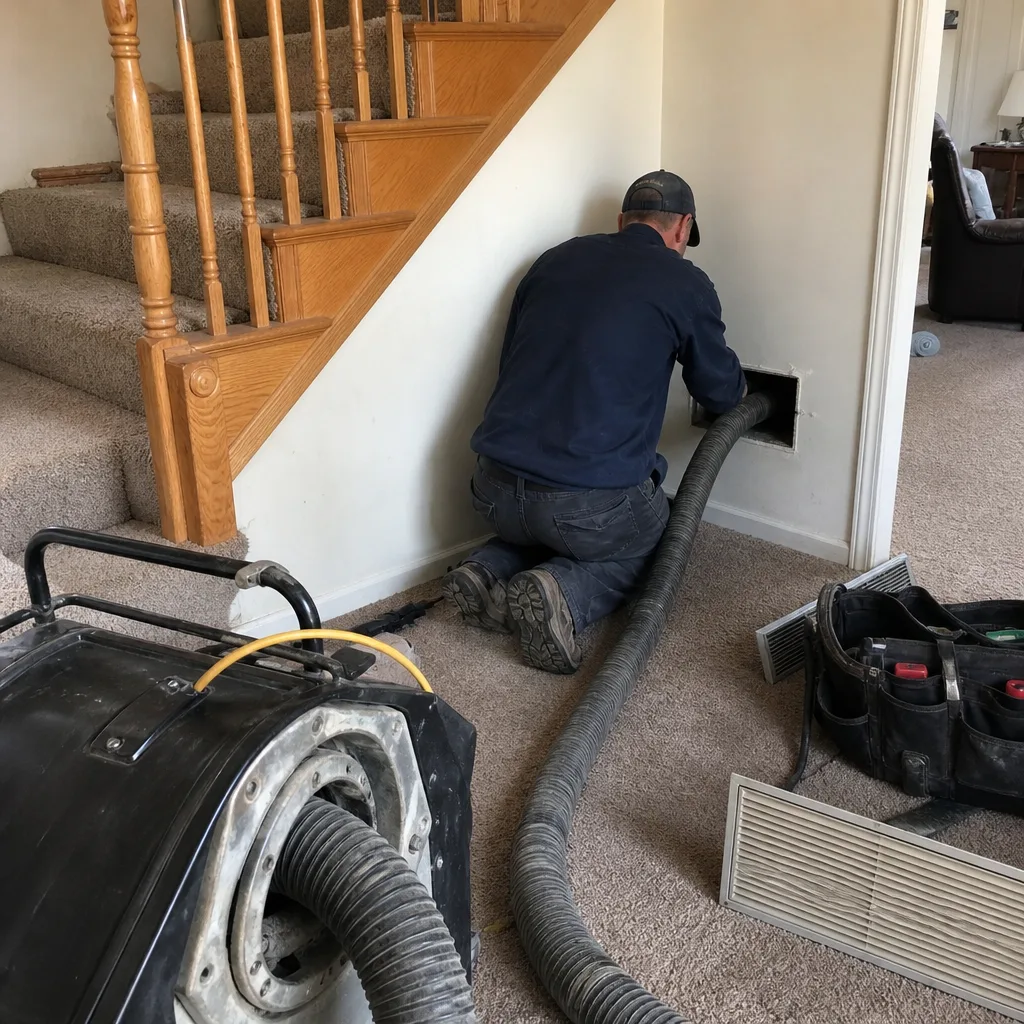 Before
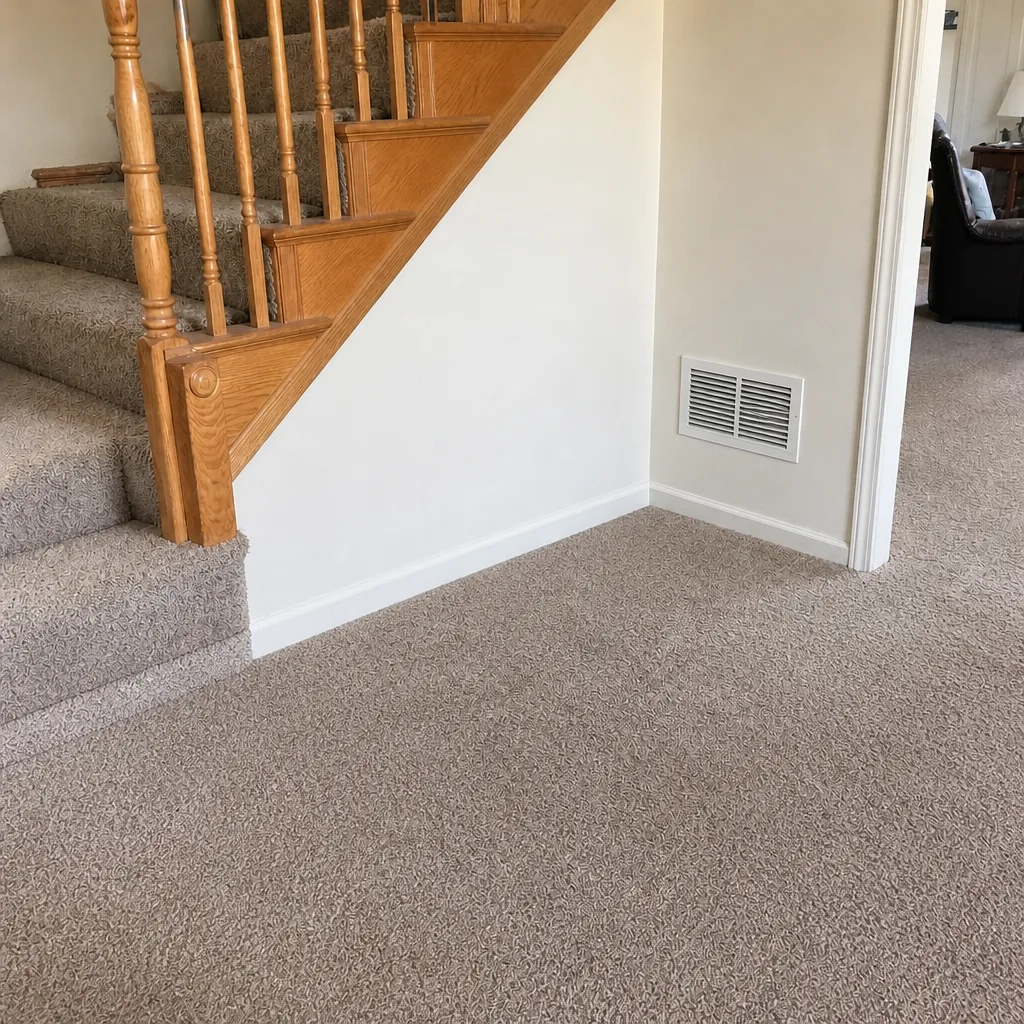 After
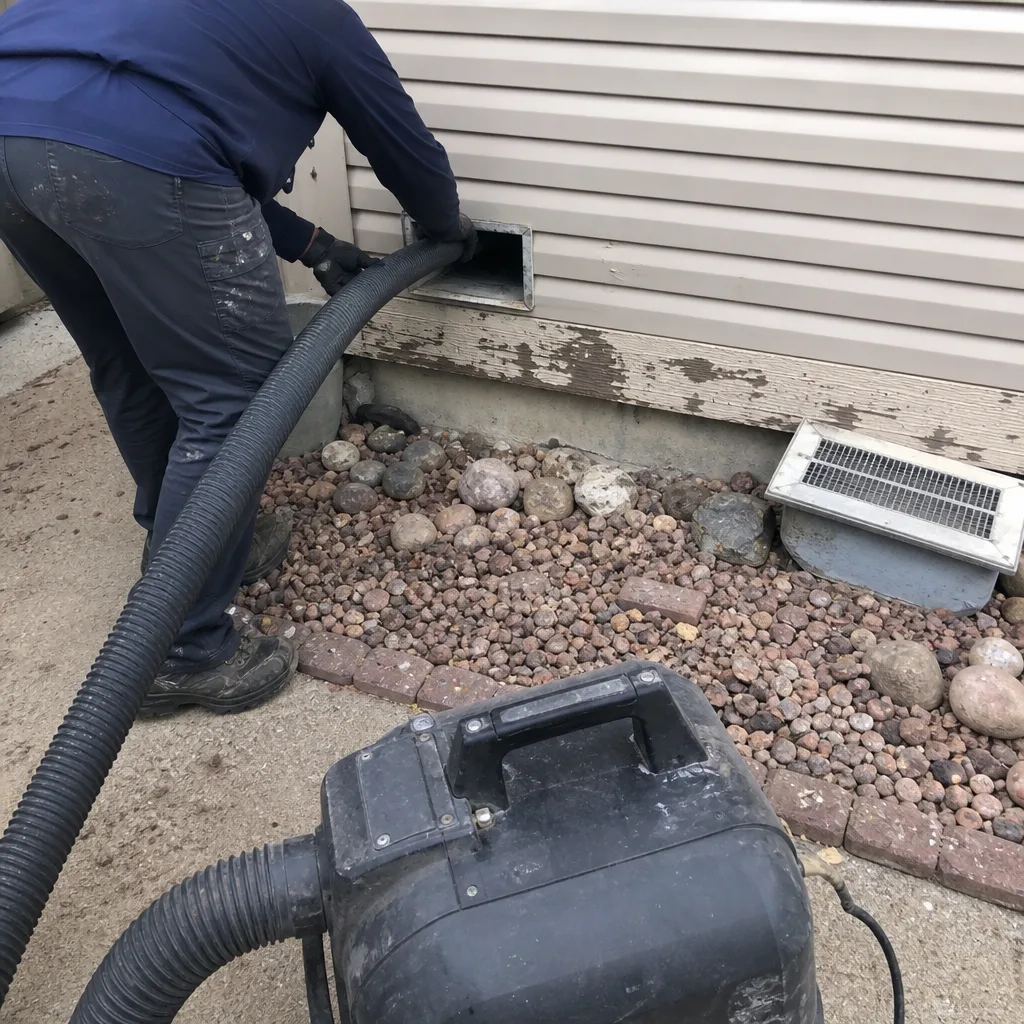 Before
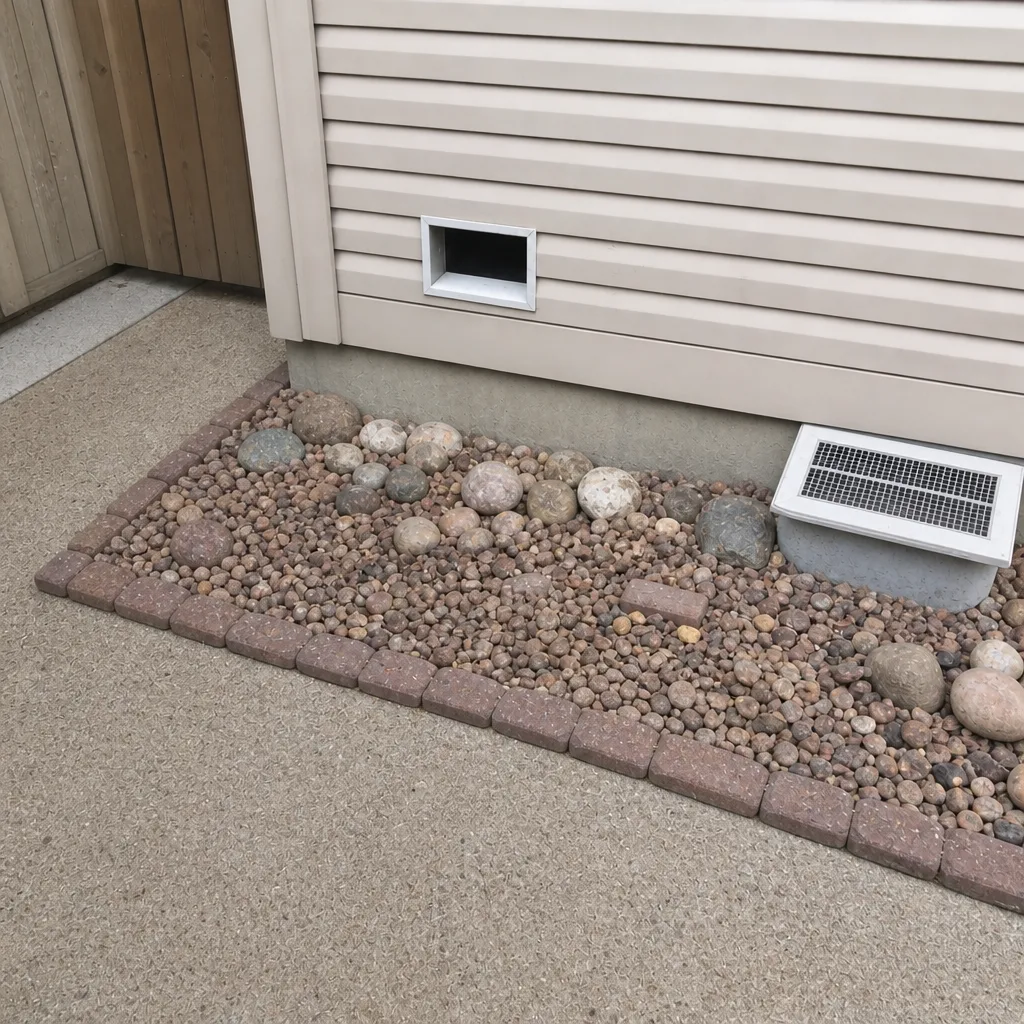 After
When to Call a Professional
Some ductwork issues are obvious enough to call in a pro without waiting: visible dust blowing out of registers when the system kicks on, an unexplained increase in dust settling on surfaces, musty odors from supply vents, evidence of pest activity in or around the ductwork, recent water damage or remodeling, and a dryer that takes noticeably longer to dry clothes. In Colorado Springs, the combination of dry air, elevated dust, and constant heating and cooling cycling makes those symptoms show up earlier than the three-to-five-year rule of thumb might suggest. If anyone in the household has asthma or allergies, that’s another good reason to see what’s actually in the system. If you’re not sure whether it’s time, an inspection will settle it, and it costs nothing. Flagship Air Duct Cleaning offers free estimates in Colorado Springs. Call (866) 293-3740.
Frequently Asked Questions
There’s no single best brand because “brand” in air duct cleaning refers to the equipment platform, not the company name. The right brand for your home is the platform that matches your duct type and contamination level: Rotobrush contact cleaning for standard residential sheet-metal systems with moderate buildup, Nikro negative-pressure source removal for heavier contamination or post-remediation jobs, and HEPA containment equipment when suspect materials are present. Call (866) 293-3740 for a free estimate once you know which situation you’re in.
Neither is universally better, they do different things. Rotobrush is a contact cleaning system that scrubs duct surfaces with rotating brushes. Nikro is a negative pressure system that pulls contamination out under HEPA-filtered suction. Most quality jobs use both: negative pressure for collection and volume removal, contact cleaning to dislodge stubborn surface buildup from branches and transitions. A contractor who only runs one platform is telling you something. Call (866) 293-3740 and we’ll be honest about which one your system needs.
It depends entirely on duct configuration, system size, contamination level, and whether repair is needed, which is why any honest quote comes after an inspection. That’s also why we don’t offer per-vent pricing or teaser coupons. The single flat price for your job is set per system by the written estimate, agreed before work starts. Call (866) 293-3740 and the estimate is free.
The standard window is every three to five years, but Colorado Springs homes often land at the shorter end. Dry air, elevation, and the region’s temperature swings push more airborne dust through the system, and homes with pets, asthma, or recent remodeling warrant cleaning sooner. If you’re not sure where your system sits, an inspection will tell you. Call (866) 293-3740 for a free estimate.
Because they’re for less work. A coupon rate is usually a per-vent number that doesn’t cover whole-system cleaning, doesn’t include proper negative pressure, and grows into a larger invoice once the technician is on site. The other cheap-quote explanation is equipment: a shop vac and a brush aren’t the same tools as a Rotobrush system running alongside a Nikro negative-pressure unit. Ask each contractor which platforms they operate before you compare prices. Call (866) 293-3740 for a flat whole-system quote.
Before-and-after photos of your own ductwork. That’s the benchmark. Every job we run gives you photos of the system as it was cleaned, and a written estimate that sets the final price before work starts. If a contractor can’t produce photos of your specific registers and plenum, that’s a warning sign. Call (866) 293-3740 to book a job you can verify.
Yes. We work with your existing Honeywell or Aprilaire system, not around it. That includes checking inline filtration components before cleaning so nothing gets disturbed or bypassed. If your home has an IAQ setup tied into the ductwork, tell us when you call so the technician arrives prepared. Call (866) 293-3740 for a free estimate.
Yes. Air duct repair is one of our three core services alongside duct cleaning and dryer vent cleaning, so if we find a crushed run, disconnected transition, or failed seal during cleaning, we can fix it on the spot rather than sending you to a second contractor. Call (866) 293-3740 for a free estimate.
The Bottom Line
The best air duct cleaning company in Colorado Springs is the one whose equipment matches your duct system, not the one with the lowest coupon. Rotobrush, Nikro, and Abatement Technologies are three different platforms for three different jobs, and a specialist who can deploy more than one will diagnose your system before prescribing a tool. Ask for whole-system pricing after an inspection, ask for before-and-after photos of your own ducts, and ask what’s happening on the collection side of the cleaning. If the answers hold up, you’ve found your contractor. If they don’t, keep looking. Colorado Springs homes deserve better than a shop vac and a per-vent invoice.
Flagship Air Duct Cleaning offers air duct cleaning, dryer vent cleaning, and air duct repair in Colorado Springs, with professional-grade Rotobrush and Nikro equipment and free estimates. Call (866) 293-3740. We answer 24/7. Fast dispatch from 7am to 7pm, Sunday through Friday.
Written by the team at Flagship Air Duct Cleaning.