
Last updated November 15, 2026
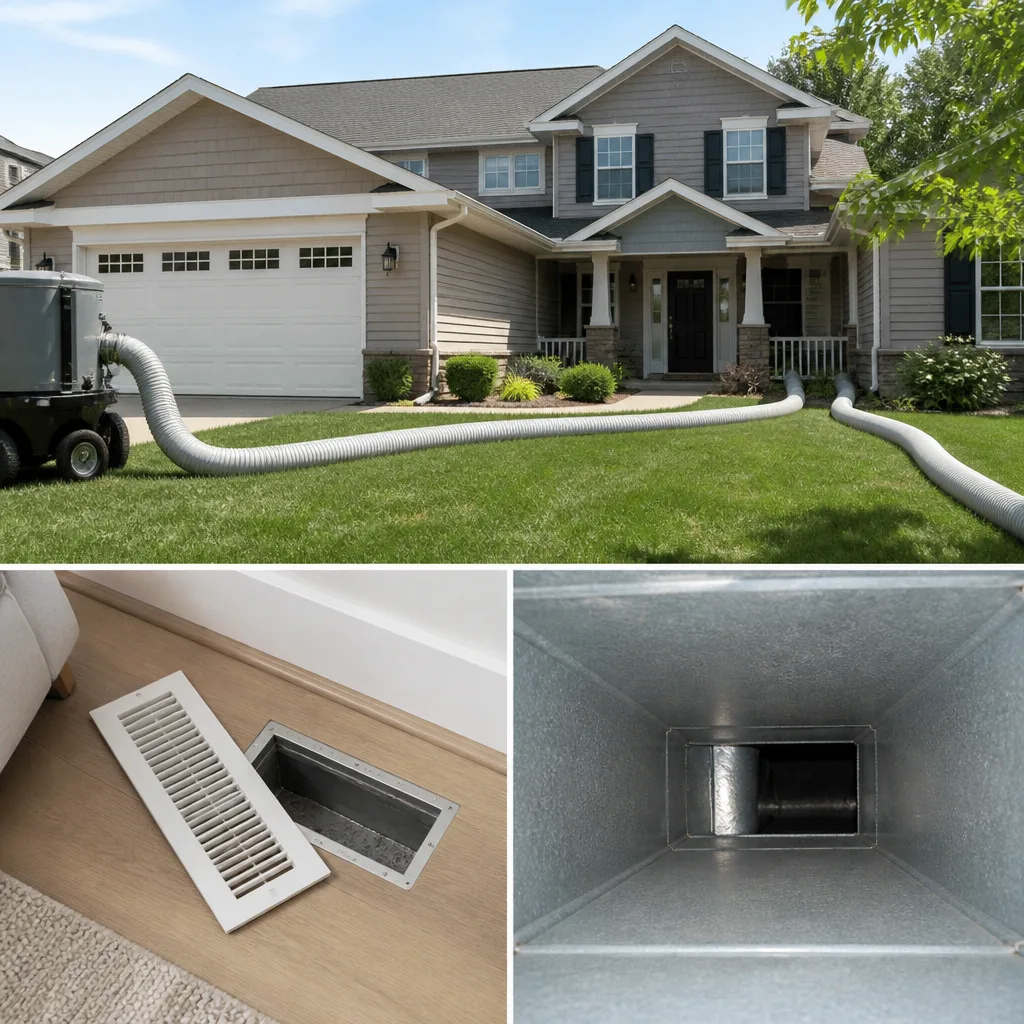 Whole-home duct cleaning
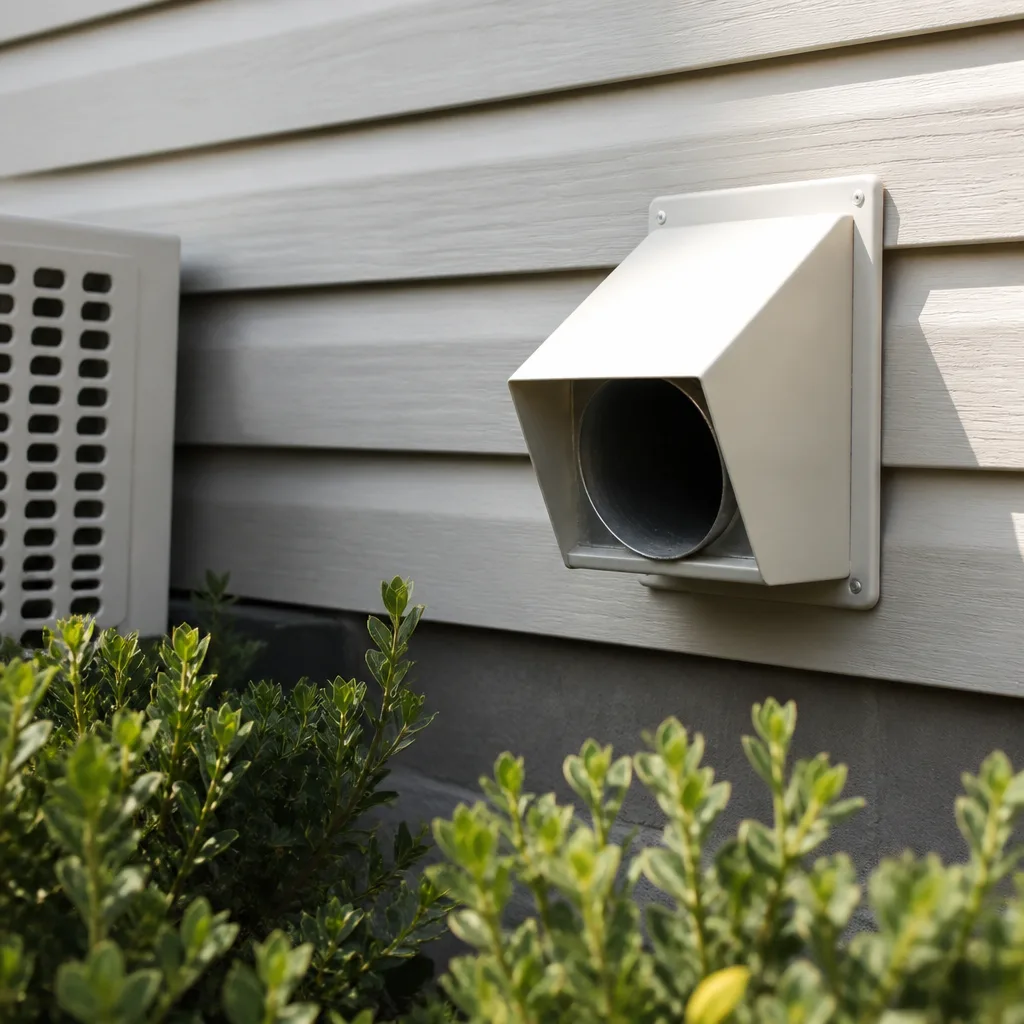 Dryer vent cleaning
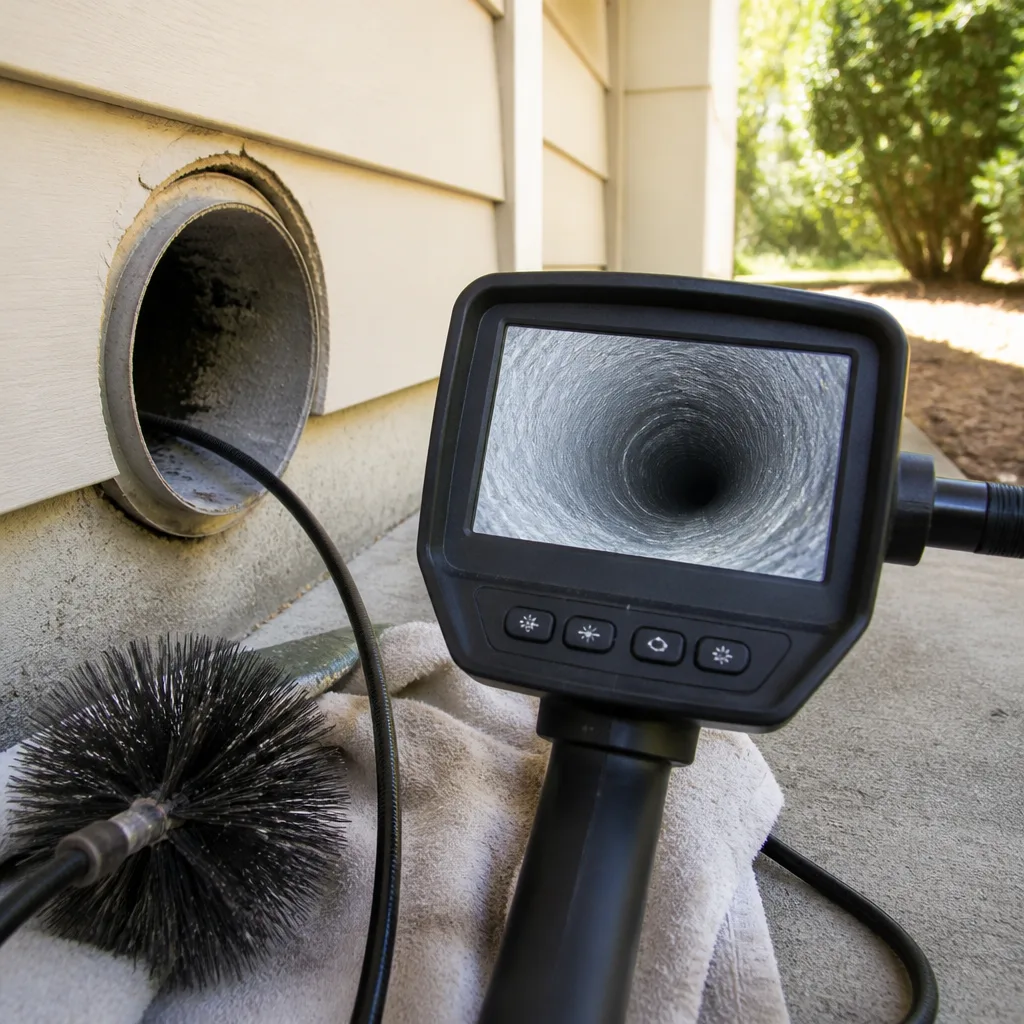 Camera inspection
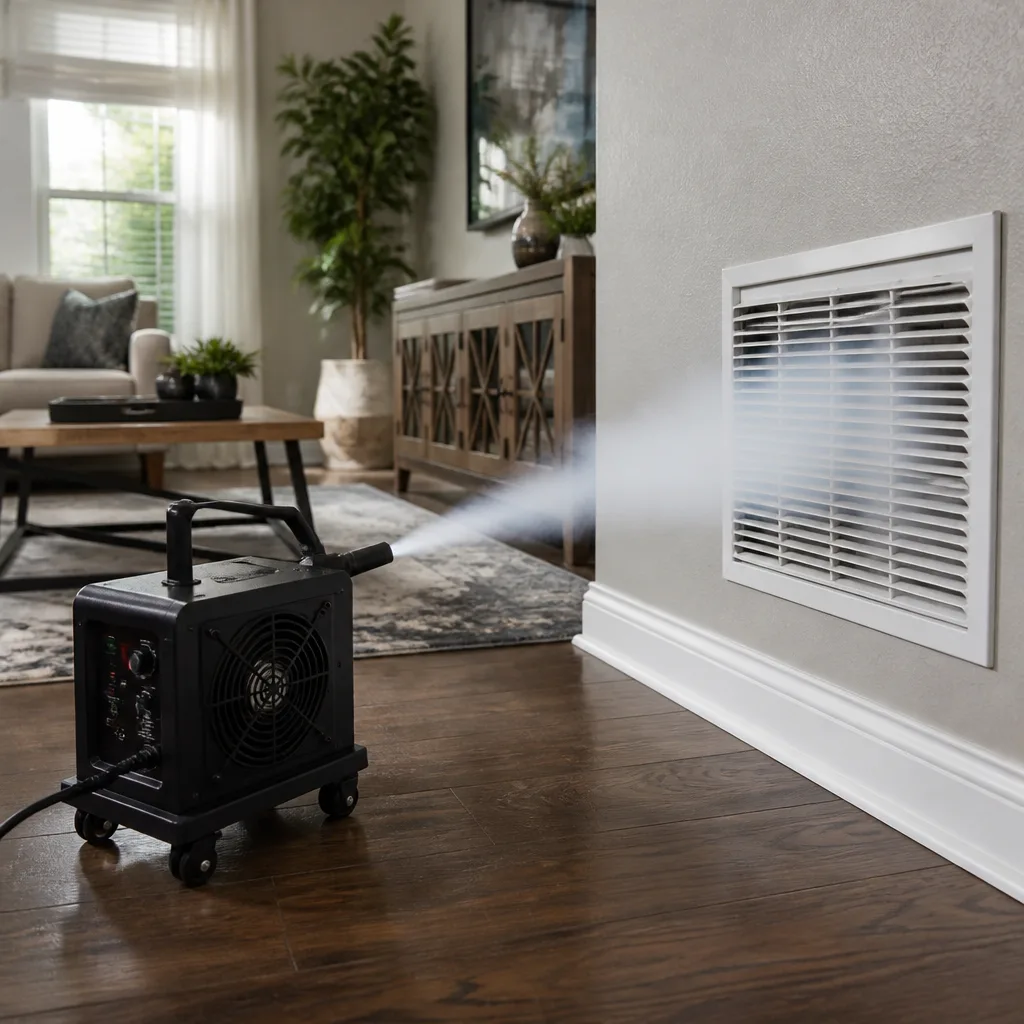 Sanitizing & deodorizing
Whole-system duct and dryer vent check with before-and-after photos - you see exactly what came out of your vents
That "$99 whole-house special" is a bait ad - the real number appears once they are in your hallway, or the "clean" is a shop-vac at the register. We photograph the inside of your ducts before and after instead.
Air Duct Cleaning Maintenance Schedule: What to Do and When
The 3-to-5-year cleaning interval repeated across the internet was built around average U.S. homes. Those averages do not account for a house sitting at roughly a mile of elevation in a region that sees wildfire smoke drift in most summers. Here, dust behaves differently, smoke seasons arrive on a schedule of their own, and the right cleaning interval depends far less on the calendar than on what actually ends up inside your ductwork. In this guide we lay out a tiered maintenance schedule built around your home’s contamination profile, the between-cleaning tasks worth doing yourself, and why fall is the highest-value window for duct cleaning in Colorado Springs.
Quick Answer
Most homes in Colorado Springs should have their ducts professionally cleaned every 3 to 5 years, but households with pets, recent renovations, or repeated wildfire smoke exposure should shorten that to every 2 to 3 years, and sometimes annually after heavy smoke seasons. Filter changes every 1 to 3 months, visual register checks, and dryer vent monitoring fill the gaps between professional cleanings. A maintenance inspection can responsibly extend an interval when the ductwork is still clean.
Styles & brands we work with
- Whole-home duct cleaning
- Dryer vent cleaning
- Camera inspection
- Sanitizing & deodorizing
Table of Contents
- Why the Standard Cleaning Interval Doesn’t Fit Colorado Springs
- A Tiered Cleaning Schedule Built Around Your Home
- How Colorado’s Dry Air Changes Dust Behavior
- Between Cleanings: Tasks You Can Do Yourself
- Why Fall Is the Best Time to Clean Ducts in Colorado Springs
- Maintenance Inspection vs. Full Cleaning
- The Dryer Vent Schedule Nobody Talks About
- Common Mistakes to Avoid
Why the Standard Cleaning Interval Doesn’t Fit Colorado Springs
The 3-to-5-year figure most sources publish comes from broad national averages. It assumes a typical climate, typical occupancy, and typical outdoor air. Colorado Springs breaks all three assumptions at once. The city sits at high elevation, the air is dry for most of the year, and summer wildfire smoke has become a recurring seasonal event rather than an exception. That combination means a duct system here can accumulate contamination on a different timeline than the guidance was written for.
Three local factors push the schedule in different directions:
- Dry air keeps particles airborne longer. In humid climates, dust and pollen absorb moisture and settle. Here they stay suspended and cycle through the return ducts again and again.
- Wildfire smoke seasons add a loading event. Smoke intrusion pulls fine particulate into the return side of the system, and that material coats duct walls rather than passing through.
- Seasonal heating and cooling transitions stir up what’s settled. The first cold snap in Colorado Springs kicks on furnaces across the city, and every one of those systems pushes accumulated dust back into living spaces.
The practical takeaway: treat the 3-to-5-year number as a starting point, not a rule. What follows is a schedule built around your actual household. This is the same reasoning we apply on every air duct cleaning job in Colorado Springs.
A Tiered Cleaning Schedule Built Around Your Home
Instead of one universal interval, match your household to a tier. Most homes fit one tier cleanly. Some fit two, and when that happens, use the shorter interval.
Tier 1: Baseline Households
No pets, no recent renovations, no smokers, and no history of smoke intrusion. Clean every 4 to 5 years, with a maintenance inspection at the two-year mark to confirm the ducts are still holding up.
Tier 2: Pet Households
Pets shed dander and hair that cling to duct walls and never fully clear through the filter. Clean every 2 to 3 years, and vacuum registers and return grilles more frequently between cleanings.
Tier 3: Post-Renovation
Drywall dust, sawdust, and construction debris migrate into ductwork quickly. Clean once the project is fully finished and dust has settled – typically within 30 to 60 days – then reset the clock. If a home has had multiple renovations, treat each one as a reset event.
Tier 4: Wildfire Smoke Exposure
After a summer with significant smoke events in Colorado Springs, have the system inspected. If the return side shows visible soot or fine ash, schedule a cleaning. Households that sit on the west side near the foothills tend to see heavier smoke exposure and benefit from annual checks during active fire years.
Here’s the tiered schedule at a glance:
- Baseline home: Full cleaning every 4 to 5 years. Inspection at year two.
- Pet household: Full cleaning every 2 to 3 years. Register cleaning more often.
- Post-renovation: Full cleaning within 60 days of project completion.
- Smoke-exposed home: Inspection each spring, cleaning when the inspection shows buildup.
How Colorado’s Dry Air Changes Dust Behavior
Humidity affects how dust moves through a house more than most people realize. In a humid climate, airborne particles pick up moisture, grow heavier, and drop out of the air column. That means more of the debris ends up on floors and furniture where a vacuum can reach it. In Colorado Springs, the air is dry for most of the year, so dust, pollen, and fine particulate stay light and keep moving. The furnace or air handler pulls them into the return ducts, sends them through the filter, and whatever slips past comes back out the supply registers.
The result is a system that recycles its own dust more aggressively than the national average assumes. Two practical consequences follow:
- Filters load faster in dry air because more particulate reaches them. Check them monthly rather than quarterly.
- Duct walls accumulate a fine coating that looks less dramatic than the matted debris you see in humid climates but still restricts airflow over time.
We use professional-grade equipment from Rotobrush and Nikro on every job because that fine, dry coating is exactly what consumer-grade vacuums leave behind. The equipment matters more in a dry climate, not less. If you’re managing airflow issues in Colorado Springs that go beyond dust alone, we can also look at duct condition while we’re on site.
Between Cleanings: Tasks You Can Do Yourself
Professional cleaning is a checkpoint, not a permanent reset. What you do between cleanings determines how fast the system loads back up. None of these tasks require tools beyond a screwdriver and a flashlight.
1. Check Your Filter Monthly
Hold the filter up to a light source. If you can’t see light through it, it’s spent. Replace it – don’t just vacuum it. A clogged filter forces the blower to pull harder and can push dust past the filter frame into the ducts.
2. Inspect Your Registers Visually
Shine a flashlight into each supply register. Look for visible dust buildup on the fins, dark staining, or debris resting near the edges. If several registers show heavy buildup after only a year, your interval may need shortening.
3. Watch for Return-Side Staining
Return grilles pull the dirtiest air. Wipe one with a white cloth. If the cloth comes back gray or black, note it and mention it when you schedule your next cleaning or inspection.
4. Listen to the System
A whistle or a whoosh that’s louder than usual often signals restricted airflow, which can be dust-related or a duct problem. If you’ve noticed a change, it’s worth an inspection before the next heating season.
5. Keep the Dryer Vent Clear
Pull lint from the dryer’s lint trap before every load. In Colorado Springs’s dry air, lint builds up faster than in more humid regions because there’s less ambient moisture to weigh it down.
These five checks cover most of what a homeowner can responsibly handle. Anything that requires opening ductwork or reaching behind walls is a job for a trained technician.
Why Fall Is the Best Time to Clean Ducts in Colorado Springs
Timing matters as much as frequency. In Colorado Springs, the highest-value window for a full duct cleaning is late September through October, right before the heating season starts. Here’s why that window beats spring or summer work:
- Summer smoke has finished loading the system. By early fall, another wildfire smoke season has pushed fine particulate into the return ducts. Cleaning in fall removes that load before the furnace starts recirculating it.
- The heating season is about to begin. The first sustained cold snap turns on furnaces across the city, and every one of those systems starts cycling air through the ducts. Clean ducts mean that first warm-air push doesn’t carry a summer’s worth of settled dust into living spaces.
- Dry air means faster drying after cleaning. Duct cleaning involves agitation and extraction. In Colorado Springs’s low-humidity fall air, any residual moisture clears quickly, so the system is ready for the heating season without delay.
- You get the whole heating season out of it. A fall cleaning means the ducts stay in good shape through the months when the system runs hardest.
Spring cleaning is a reasonable second choice for households that missed the fall window, but the fall slot is where the schedule delivers the most value in Colorado Springs. If you’re planning a fall appointment, call (866) 293-3740 – estimates are free and the fall window fills first.
Maintenance Inspection vs. Full Cleaning
Not every scheduled interval needed a full cleaning. Some needed a look. Knowing the difference lets you extend intervals responsibly rather than guessing.
What a Maintenance Inspection Involves
- Visual check of accessible duct runs and the air handler cabinet
- Register and return grille inspection for buildup and airflow restriction
- Filter condition check and replacement recommendation
- Dryer vent visual check (separate line, easy to add)
- Report on what was found, with photos if requested
What a Full Cleaning Involves
- Agitation of duct walls with Rotobrush or Nikro equipment to loosen adhered debris
- High-volume negative-pressure extraction to remove the loosened material
- Cleaning of supply and return registers and grilles
- Air handler and blower compartment cleaning where accessible
- Before-and-after photos of the ductwork so you can see the difference
When is an inspection enough? If the ducts were cleaned recently, the filter has been maintained, and no new contamination event has occurred (renovation, heavy smoke, pet addition), an inspection is often sufficient to extend the interval another year. If the inspection finds heavy buildup, staining on the return side, or visible debris, we recommend the full cleaning. Our technicians have up to 9 years of experience reading those signs, and we tell you what the ducts actually show rather than what the calendar says. If the inspection catches a damaged joint or a disconnected run, we fix it under the same visit – that’s the reason we offer air duct repair alongside cleaning.
The Dryer Vent Schedule Nobody Talks About
Duct cleaning schedules usually leave the dryer vent out entirely. That’s a mistake. A clogged dryer vent is a fire risk most companies ignore, and the U.S. Fire Administration links clogged dryer vents to thousands of residential fires each year. Your dryer vent needs its own maintenance schedule, separate from the air ducts.
- Every load: Clean the lint trap.
- Every 3 months: Check the exterior vent flap to confirm it opens freely and isn’t blocked by lint or debris.
- Every 12 months: Full professional dryer vent cleaning. Households with heavy laundry volume, long vent runs, or multiple dryers should schedule every 6 to 9 months.
- Immediately: If loads take longer than usual to dry, the dryer feels hot to the touch, or you notice a burning smell, schedule a cleaning before the next load.
Dryer vent cleaning is a standalone service we take seriously – not an upsell tacked onto a duct cleaning. In Colorado Springs’s dry climate, lint dries out and catches fire more readily than in humid regions, which makes the annual schedule more important, not less. We treat it as a fire-prevention service for that reason. See dryer vent cleaning for the full process.
Common Mistakes to Avoid
- Following the national 3-to-5-year figure as gospel. That interval was built for average climates. In Colorado Springs, a pet household or a west-side home near the foothills that sees smoky summers needs a shorter cycle.
- Cleaning only after the heating season starts. By then, the first cold snap has already cycled a summer’s worth of dust through the house. Fall is the window, before the furnace runs.
- Comparing quotes by price alone. A low per-vent figure that becomes a far larger invoice once the technician is on site is the classic bait-and-switch in this trade. Ask for one flat price per system, agreed before work starts, so the number you hear is the number you pay.
- Skipping the maintenance inspection to save on the cleaning. An inspection is cheaper than a cleaning and often confirms the ducts are fine, which lets you stretch the interval responsibly.
- Assuming a filter change resets the clock. New filters stop airborne debris but don’t remove what’s already adhered to duct walls. The cleaning schedule runs on the ducts, not on the filter.
- Ignoring the dryer vent entirely. Most households never schedule dryer vent cleaning until they notice a problem. The annual schedule is a fire-safety habit, not a luxury.
- Trusting a shop vac to do a commercial job. Consumer-grade vacuums leave behind the fine dry coating that accumulates in a Colorado Springs duct system. Professional equipment from Rotobrush and Nikro is built to agitate and extract that layer.
See the difference
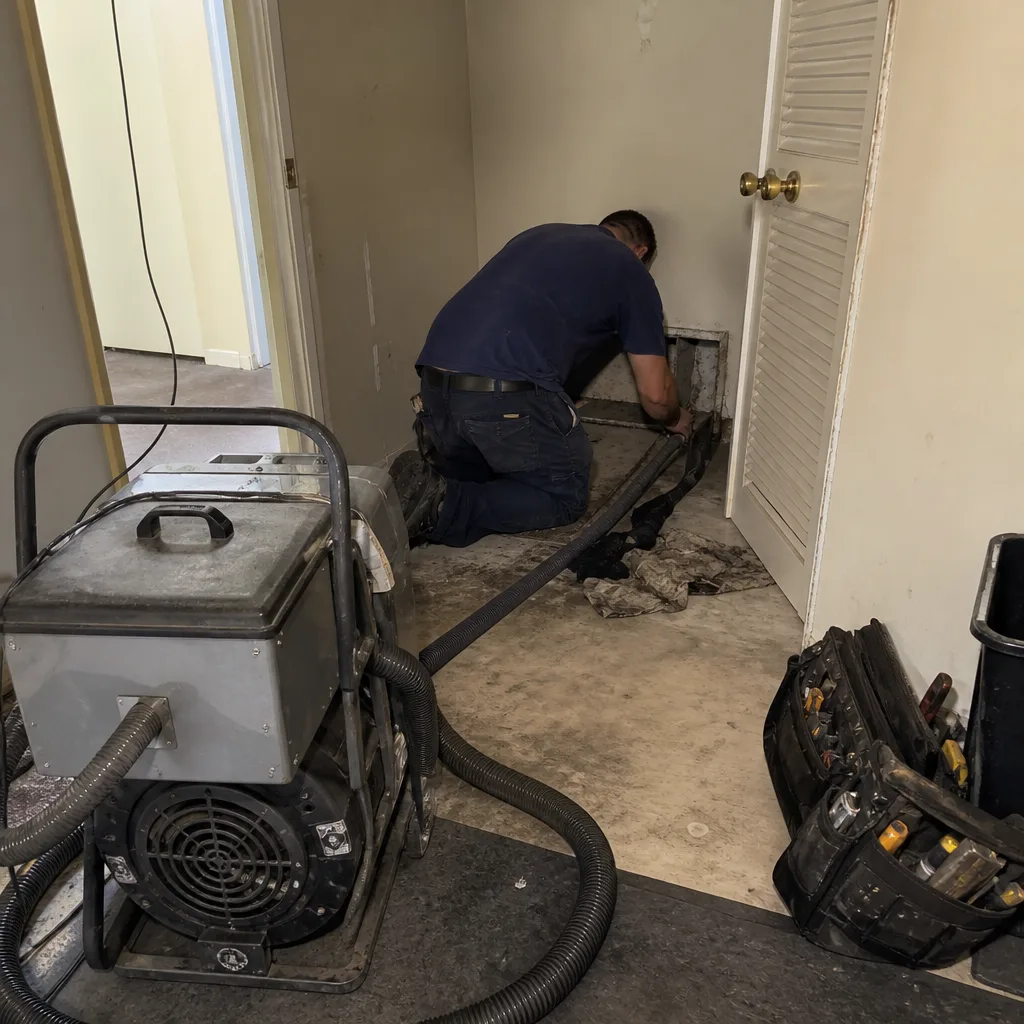 Before
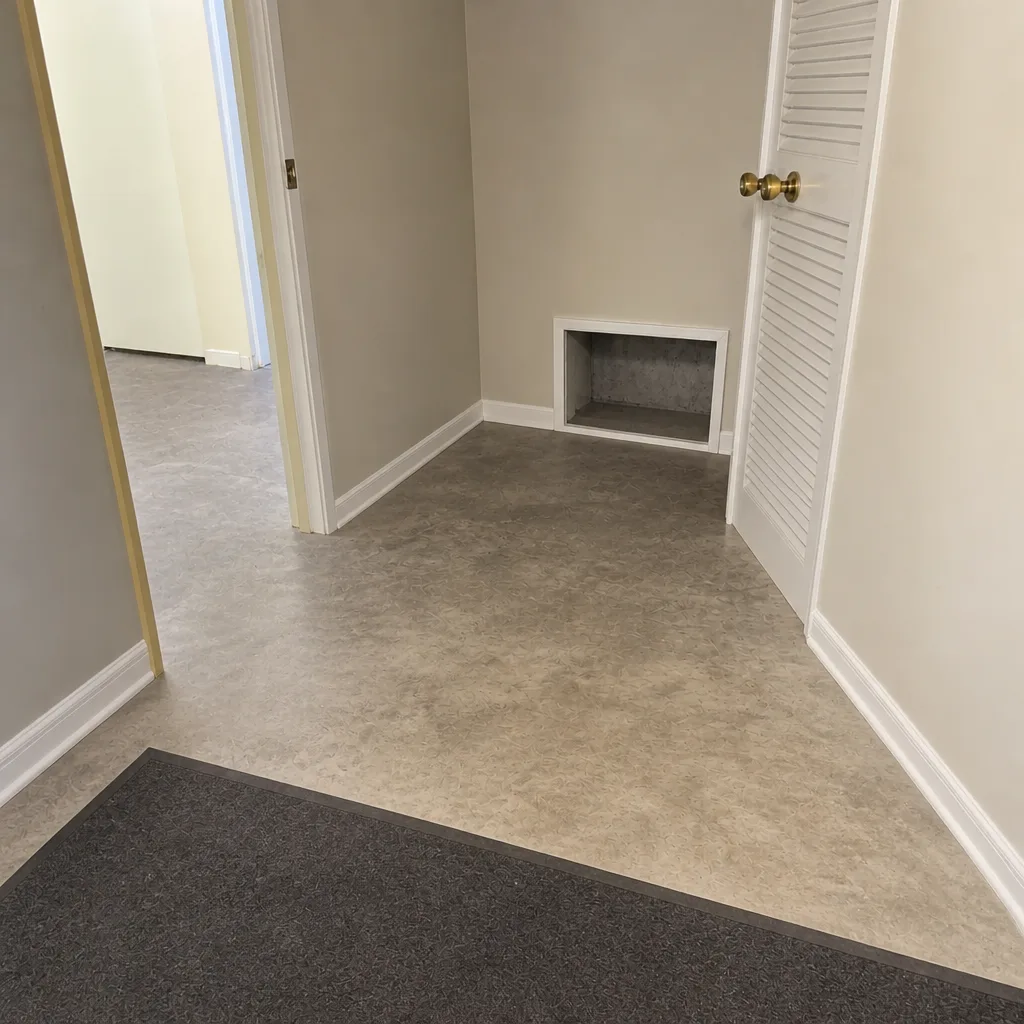 After
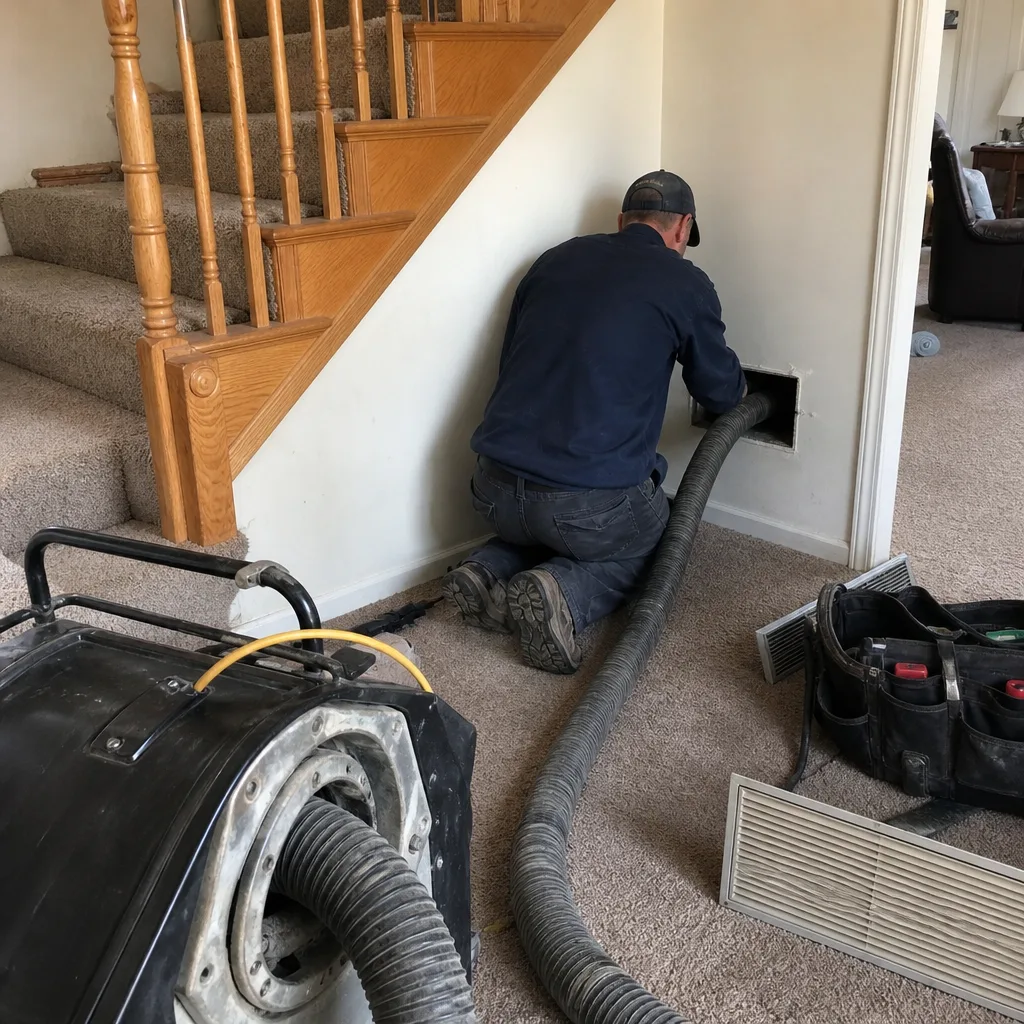 Before
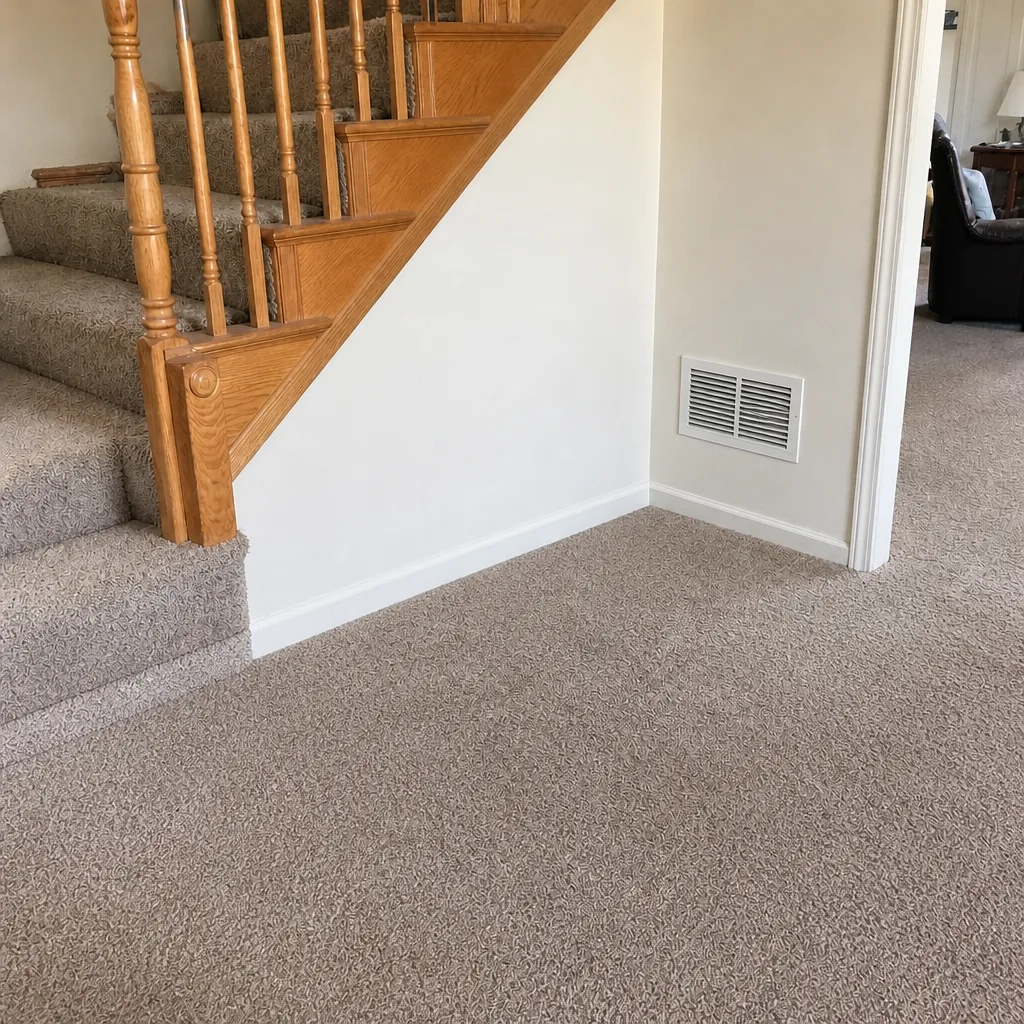 After
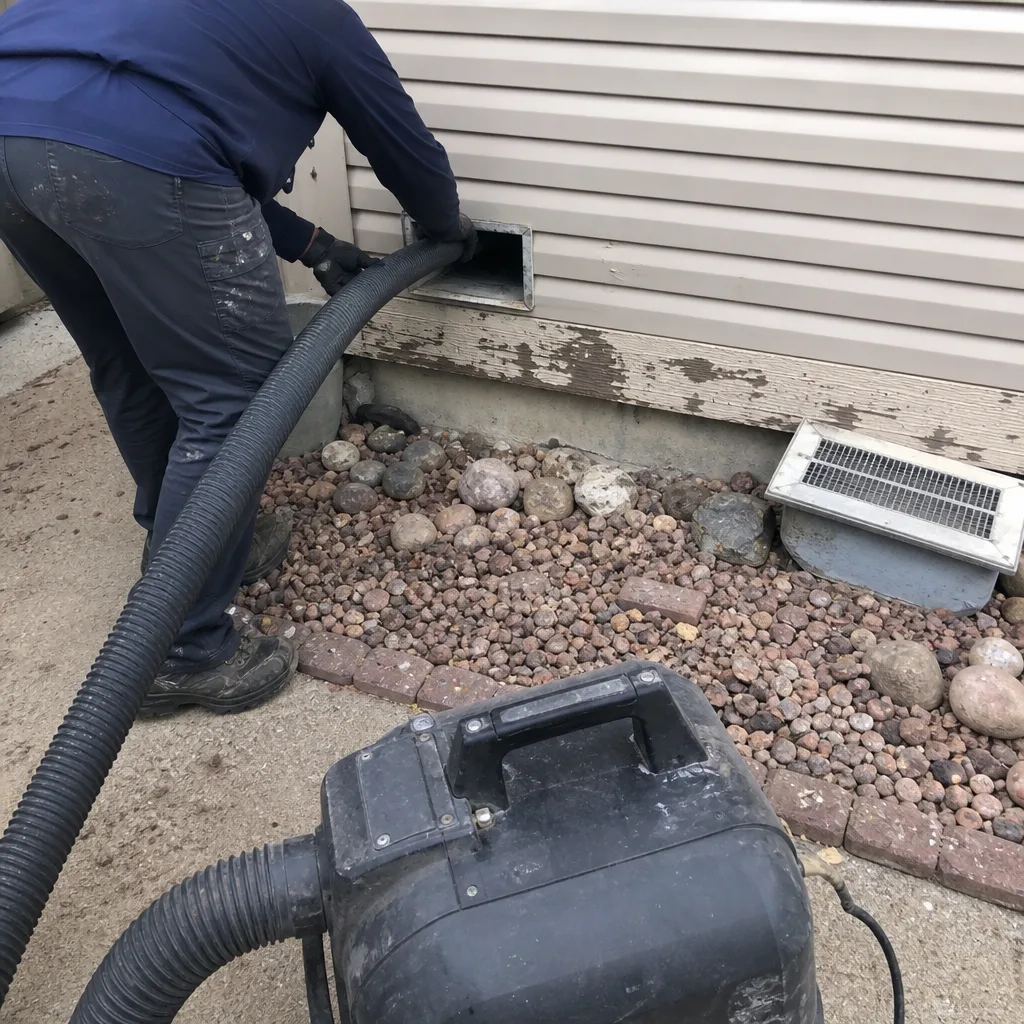 Before
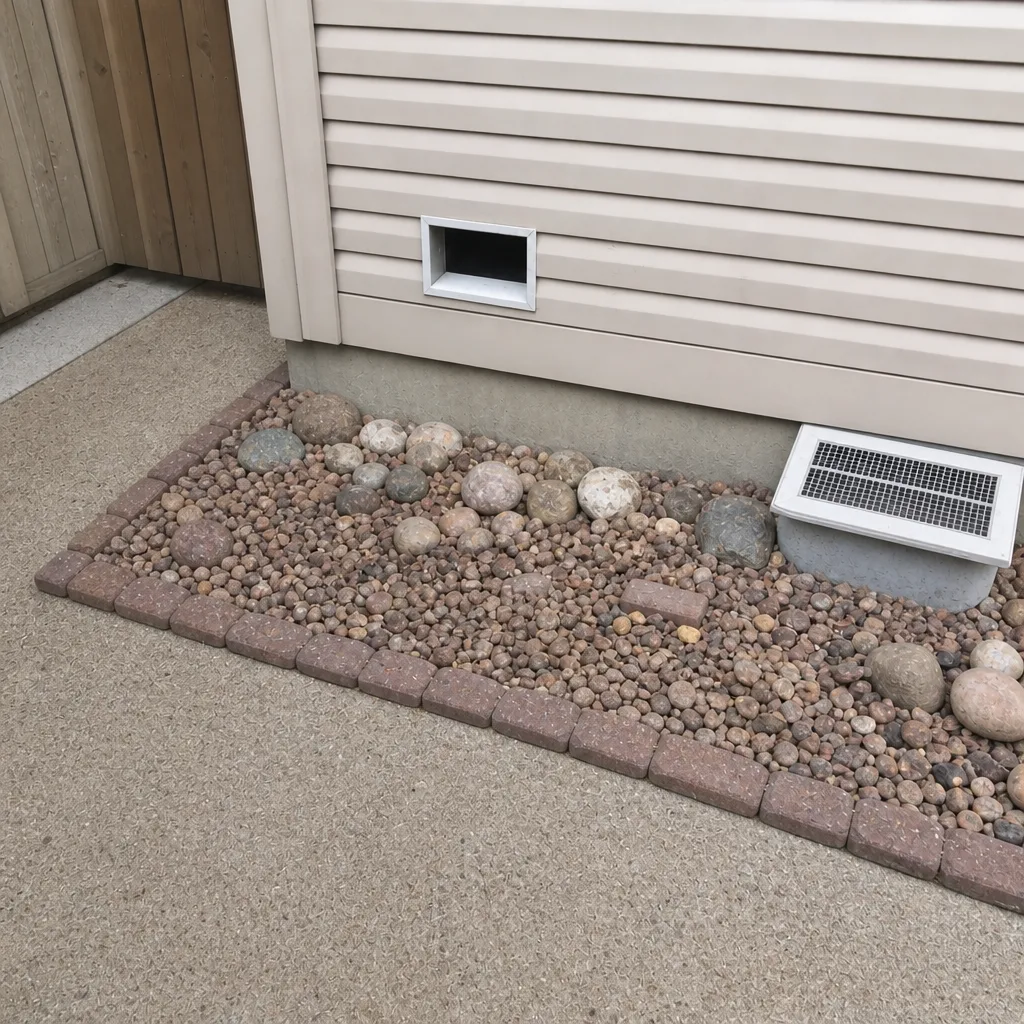 After
When to Call a Professional
Some duct conditions are not safe or practical to handle yourself. Reach out to a trained professional if any of the following apply: you see visible mold growth or dark staining inside the ductwork, you smell a persistent musty or burning odor when the system runs, a renovation has left construction dust in the system, you’ve had a pest problem in the attic or ductwork, or the system whistles when it runs. Damage to a duct joint or a disconnected run is a repair issue, not just a cleaning issue, and it needs professional diagnosis. We don’t recommend opening ductwork yourself; the risks to airflow balance, air quality, and the heating equipment outweigh the savings. While we’re on site, we also work with existing Honeywell and Aprilaire indoor air quality controls rather than working around them. Flagship Air Duct Cleaning offers free estimates in Colorado Springs – call (866) 293-3740. We answer 24/7. Fast dispatch from 7am to 7pm, Sunday through Friday.
Frequently Asked Questions
Every 3 to 5 years for a baseline home, every 2 to 3 years for pet households, within 60 days after a renovation, and more often if your home sees heavy wildfire smoke exposure. Colorado Springs’s dry air and its smoke seasons mean the national averages run a little short here. Call (866) 293-3740 for a free estimate based on your household.
Fall is better. Cleaning in late September or October removes a summer’s worth of smoke exposure before the heating season starts, so the first warm-air push doesn’t carry that load into living spaces. Spring works as a second choice if you missed the fall window. Call (866) 293-3740 to book the fall slot.
An inspection is often enough if the ducts were cleaned recently and nothing new has loaded the system. If the inspection finds heavy buildup or damage, a full cleaning is the right call. Our technicians have up to 9 years of experience reading those signs and will tell you which is needed. Call (866) 293-3740 for a free estimate.
Once a year for most households, and every 6 to 9 months if the vent run is long or laundry volume is heavy. Clean the lint trap before every load and check the exterior flap every 3 months. Call (866) 293-3740 to schedule dryer vent cleaning as a standalone safety service.
Yes. Smoke pulls fine particulate into the return side of the system, where it coats duct walls rather than passing through. Clearing it removes a recurring source of fine dust and odor when the system runs. After a summer with heavy smoke in Colorado Springs, an inspection is worth scheduling. Call (866) 293-3740 for a free estimate.
Disconnected runs, damaged joints, crush damage, and debris blockages are the most common findings. Because we offer air duct repair alongside cleaning, we can fix those on the same visit rather than requiring a second company. Call (866) 293-3740 to schedule a diagnosis.
The Bottom Line
The 3-to-5-year interval is a starting point, not a schedule. In Colorado Springs, pet households sit on a 2-to-3-year cycle, post-renovation homes get cleaned within 60 days of the project, and smoke-exposed homes need an annual inspection. Fall is the highest-value cleaning window, filter checks should happen monthly, and the dryer vent needs its own annual line on the calendar. Between cleanings, register inspections and filter changes carry most of the weight. When the ducts do need attention, call a specialist with the equipment to clean them properly and the capability to repair what gets found. For a home or property in the Colorado Springs area, Flagship Air Duct Cleaning schedules duct cleaning, dryer vent cleaning, and duct repair under one visit. Call (866) 293-3740 for a free estimate. We answer 24/7. Fast dispatch from 7am to 7pm, Sunday through Friday.
Written by the team at Flagship Air Duct Cleaning.