
Last updated November 15, 2026
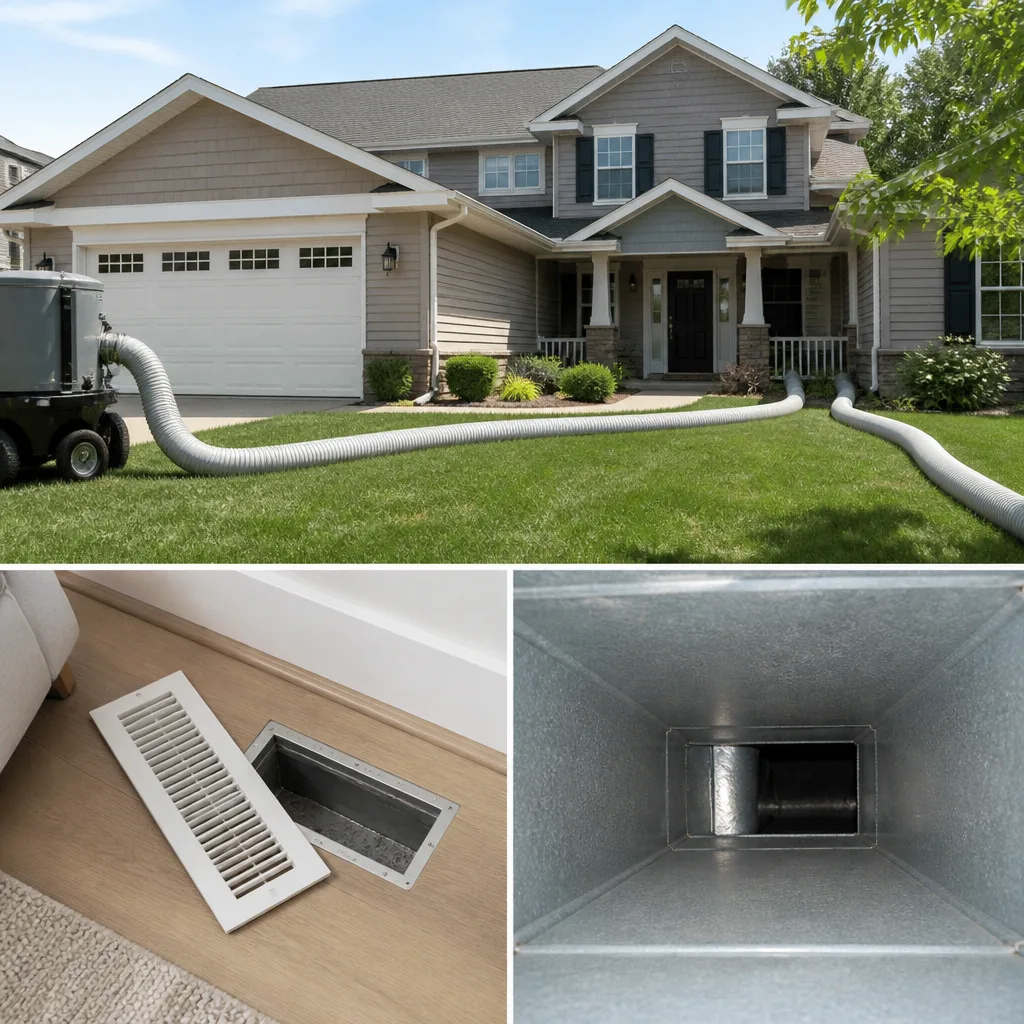 Whole-home duct cleaning
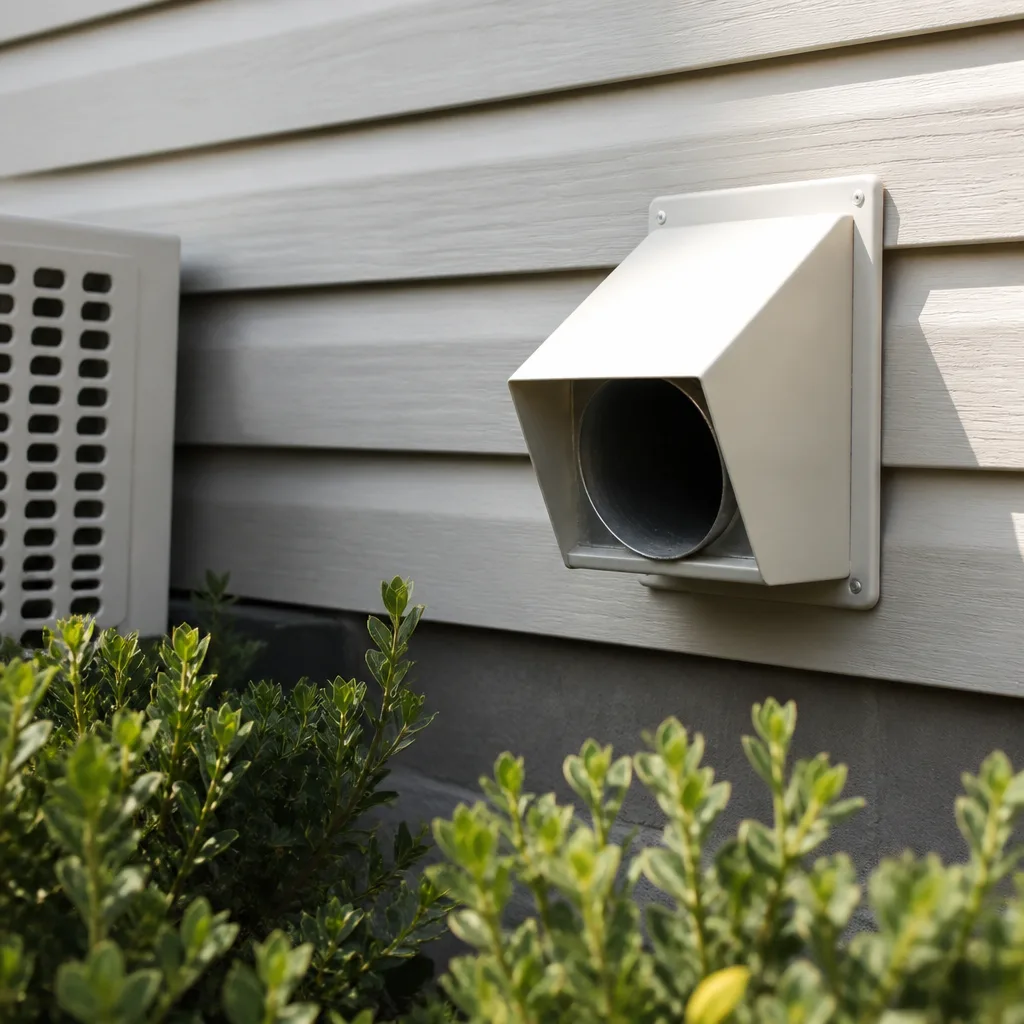 Dryer vent cleaning
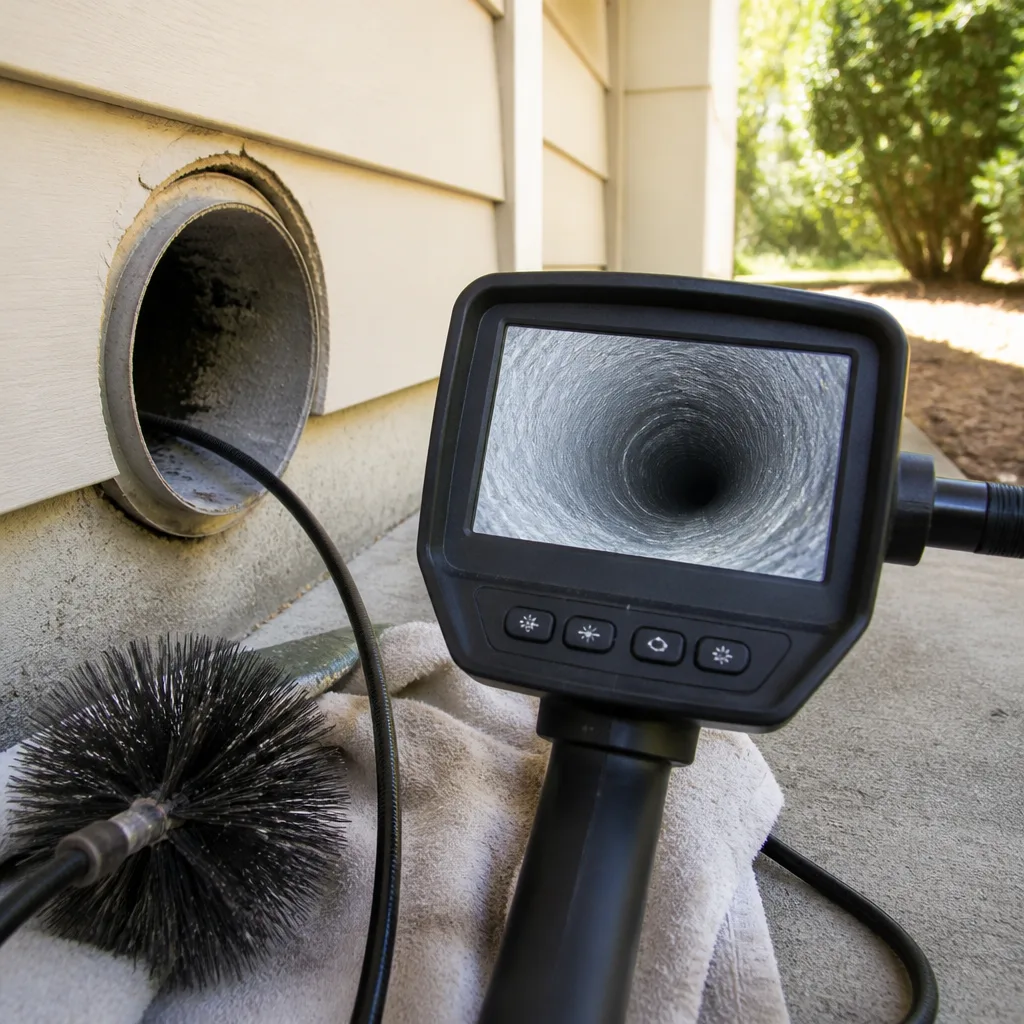 Camera inspection
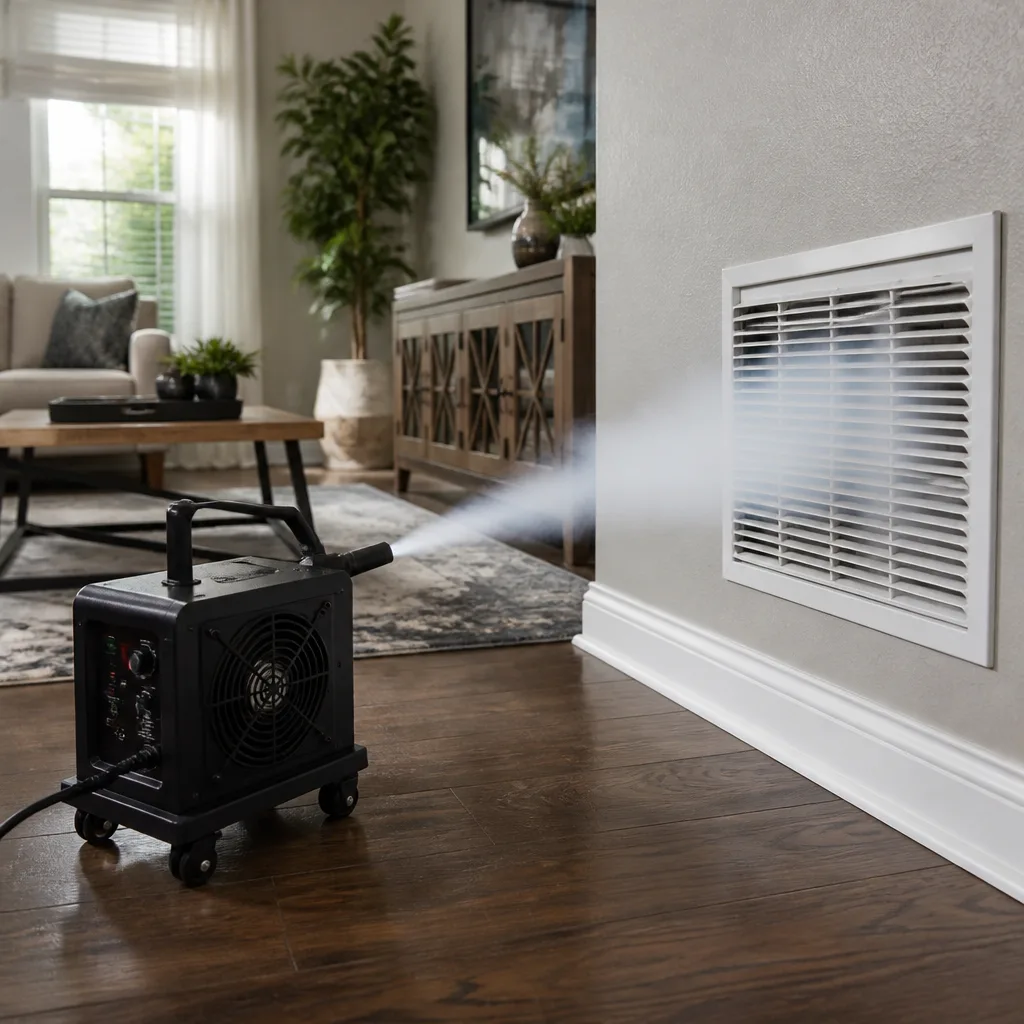 Sanitizing & deodorizing
Whole-system duct and dryer vent check with before-and-after photos - you see exactly what came out of your vents
That "$99 whole-house special" is a bait ad - the real number appears once they are in your hallway, or the "clean" is a shop-vac at the register. We photograph the inside of your ducts before and after instead.
DIY vs Professional Air Duct Cleaning: The Colorado Springs Homeowner’s Decision Guide
A $60 dryer vent brush kit and a shop vac will clean your visible register covers thoroughly, and leave the contaminated interior of your main supply trunk and air handler untouched, which is where particulate actually accumulates. Most homeowners assume the choice between DIY and professional air duct cleaning comes down to effort or budget. It doesn’t. It comes down to whether the tools in your garage can physically reach and dislodge what has settled inside the sections of ductwork that shape your indoor air quality. In most Colorado Springs homes, the geometry of the system answers that question before any tools come out. This guide walks through what DIY tools genuinely reach, where they have zero practical effect, when doing it yourself makes sense, and how to build a maintenance rhythm between professional cleanings.
Quick Answer
DIY air duct cleaning is genuinely appropriate for surface-level jobs: wiping register covers, vacuuming the accessible return grille, and keeping the filter compartment clean. Professional cleaning is the only practical option for the air handler interior, the main supply plenum, and the return trunk, because reaching and containing contamination in those sections requires rotating brush systems paired with negative pressure equipment. If your concern is air quality, musty odors, or visible debris around the registers, DIY won’t solve it. Call (866) 293-3740 for a free estimate and we’ll tell you honestly which category your home falls into.
Styles & brands we work with
- Whole-home duct cleaning
- Dryer vent cleaning
- Camera inspection
- Sanitizing & deodorizing
Table of Contents
- What DIY Tools Physically Reach
- The Duct Sections Where DIY Has Zero Effect
- Why Negative Pressure Changes the Entire Job
- When DIY Is Genuinely the Right Call
- The Risk Calculus in Older Colorado Springs Homes
- How to Use DIY Between Professional Cleanings
- A Step-by-Step Decision Checklist
- Dryer Vents: The One Place DIY Carries Real Safety Risk
What DIY Tools Physically Reach
The honest answer is: less than you’d think, but more than nothing. A homeowner with a shop vac, a long crevice tool, and a dryer vent brush kit can reach a specific set of surfaces. It’s worth being clear about which ones, because the DIY crowd is right that some cleaning is better than no cleaning.
Here’s what a consumer setup can genuinely handle:
- Register covers and return grilles. The slatted faceplates are removable on most systems. Wiping them down in a sink or outside with a hose clears dust, pet hair, and lint that has built up on the surface.
- The first few inches inside the register boot. The short connector from the wall or floor to the register cover is usually reachable with a crevice tool. It’s often where visible dust bunnies form.
- The filter slot and filter compartment. Vacuuming loose debris around the filter housing prevents it from getting pulled into the system.
- Accessible return grille surfaces. Same principle as register covers, just larger.
- A single short, straight dryer vent run where the vent exits directly behind the dryer through a wall and terminates within a few feet.
What these tools can’t do is generate the air velocity needed to lift adhered debris from duct walls, and they can’t bend a brush around a 90-degree elbow. Consumer shop vacs move air, not pressure, and a flexible crevice tool is not a rotating brush. If your ducts are sheet metal with a layer of settled dust, the shop vac stirs it up without removing it. If they’re flex duct, pushing a stiff tool into a run can damage the liner, which we’ll cover further down.
In Colorado Springs, this distinction matters more than in mild climates. Our dry, dusty springs and windy stretches push fine particulate into return grilles constantly. Fine dust is exactly the material that adheres to duct walls rather than sitting loosely on the bottom. A vacuum will not pull it free.
The Duct Sections Where DIY Has Zero Effect
These are the sections that determine whether air quality actually improves, and they’re the sections no consumer tool can reach. We’ve seen homeowner cleanings in Denver and Colorado Springs that produced a visibly cleaner register cover and no change in the system at all, because the debris load lives further back.
1. The air handler interior
The air handler is the metal cabinet that houses the blower, the coil, and the filter. Every cubic foot of air moving through your Colorado Springs home passes through it. The interior surfaces, the blower wheel blades, and the coil fins accumulate dust that a register-level cleaning never touches. A dirty blower wheel throws less air, which makes the whole house feel less comfortable without setting off any obvious alarm. Reaching it requires opening the cabinet and knowing what not to brush, especially around the coil. This is why professional cleaning exists as its own trade.
2. The main supply plenum
The plenum is the large, tall metal box that sits directly above or alongside the air handler and distributes air into the trunk. It’s typically the dirtiest section of the entire system because it’s the first expansion point after the blower. Dust settles out there in volume. It’s also usually sealed with mastic or tape and not designed to be opened by a homeowner. Randomly prying a sealed plenum open is a good way to create a permanent leak into a conditioned space.
3. The main trunk line
The trunk is the big main duct running through the attic, crawlspace, or basement, with branch runs coming off it to each room. In most Colorado Springs homes this trunk is 10 to 20 feet long, and the middle of it is not accessible from any register. A proper cleaning runs a rotating brush head through the trunk under containment. Nothing you can rent or buy from a hardware store does this.
4. The return trunk
Return ducts pull air back to the air handler and typically have the heaviest debris load because they’re under negative pressure and the air reaching them has already passed through the house. The return trunk often has a filter grille at the far end but runs unbroken to the handler. Cleaning it demands the same rotating brush and containment as the supply side.
If you’re wondering whether these sections are the problem in your home, we’re happy to inspect. Those are the sections that matter, and no amount of homemade effort substitutes for equipment built to reach them.
Why Negative Pressure Changes the Entire Job
Here’s the part almost no homeowner thinks about before tackling a DIY job. When you agitate dust inside a duct system without containment, you push it into the living space. A shop vac creates its own suction, but it also exhausts its own air, and that exhaust air goes into your home. If you’ve ever vacuumed fine construction dust and noticed it blowing around the room, that’s exactly what happens inside your ducts, only there it’s spread through registers into every room at the same time.
A professional duct cleaning setup reverses the pressure relationship. Here’s how the sequence works:
- Containment is set up first. The system is connected to high-powered negative-pressure equipment, usually via a large hose connected to a single plenum or trunk opening, with HEPA filtration.
- The whole system goes under negative pressure before any dust is disturbed. This means if any dust gets airborne inside the ducts, it’s pulled toward the collection equipment rather than through your registers.
- Rotating brushes and air whips agitate the duct walls from one register to the next. The mechanical action is what dislodges adhered debris a vacuum alone can’t touch. Rotobrush and Nikro systems are built specifically for this.
- Debris is collected at the source. Containment means the material goes into a filter or bag, not into your kitchen.
- The air handler and plenum are cleaned last, once the trunk lines are clear. Otherwise you’re pulling fresh debris through ducts that were just cleaned.
This sequencing is not optional. It’s the whole reason professional duct cleaning works and DIY doesn’t. The equipment isn’t just stronger, it’s fundamentally different in design, and the workflow depends on that equipment.
In our experience working with Abatement Technologies HEPA containment systems and the same rotating brush platforms the wider industry uses, the single most important difference between a professional job and a coupon-van job is whether real negative pressure is set up before the first brush goes into a duct. If a company arrives with a shop vac on a hose, the cleaning won’t match the equipment. If they arrive with a truck-mounted or trailer-mounted negative-pressure unit and rotating brushes, that’s a different category of work. When you’re comparing quotes, ask what’s on the truck.
When DIY Is Genuinely the Right Call
We’re not going to pretend every duct-related task requires a professional. Some do-it-yourself is smart, it saves money, and it keeps a system cleaner between professional visits. Here’s where DIY makes complete sense:
- Register cover cleaning. Remove the covers, wash them, dry them, put them back. This is a 20-minute job and completely sensible to do yourself on a regular schedule.
- Return grille vacuuming. A shop vac with a brush attachment removes surface dust from the grille face without touching the interior ductwork.
- Filter replacement. Changing your filter on the interval the manufacturer specifies is the single highest-impact maintenance task in any home, and it’s a five-minute job. Do it yourself and do it often. A high-quality filter changed on schedule prevents most of the debris that would otherwise coat the system.
- Filter compartment vacuuming. Pull the filter, vacuum the housing, put in the new filter. Loose debris around the filter slot can be cleared without opening anything.
- A single dryer vent run where the vent exits directly behind the dryer and terminates within about 3 to 4 feet outside the house. This is short enough and straight enough to clear with a vent brush kit. Anything longer, anything with a bend, anything running through a wall or up a chase, needs a professional (more on this below).
- IAQ accessory maintenance. If you have a Honeywell or Aprilaire humidifier or filter cabinet, cleaning evaporator pads, changing water panels, and replacing media according to the manufacturer’s schedule is routine homeowner work. Do it, and mention it when you call a professional so we know what we’re working around.
These tasks are the maintenance layer. They aren’t the cleaning. A homeowner who changes filters every 60 to 90 days, cleans register covers twice a year, and vacuums the return grille monthly is doing real work that keeps a system healthier. That’s a valid rhythm, and it doesn’t replace a full cleaning, it extends the window between one.
The Risk Calculus in Older Colorado Springs Homes
Colorado Springs has a wide range of housing stock, from mid-century homes in the older central neighborhoods to 1980s and 1990s builds in Briargate and Rockrimmon, to newer construction in the northeast and the Powers corridor. Each era of construction brought different duct materials, and each has its own DIY risk profile.
The two materials to be aware of:
Flex duct
Flex duct is the silver, corrugated, foil-wrapped ducting that became common in homes built from roughly the 1980s onward. It’s great for installation because it routes around obstacles, but it’s fragile. The interior liner is a thin plastic film stretched over a wire helix. If you push a shop vac crevice tool, a vent brush, or a piece of PVC pipe into a flex run, you can:
- Tear the interior liner, which immediately becomes a trap for dust and a source of airflow restriction
- Crush the wire helix, which reduces the duct’s diameter and permanently cuts airflow to that room
- Detach a duct from the boot connection, which starts leaking conditioned air into the attic or wall cavity
Rotating brush systems used professionally are specifically designed to be run with controlled pressure and the right brush stiffness for the material. That’s not the same as a homeowner pushing a tool blindly down a run. In our experience, the repairs we’re most often called for after a DIY attempt involve flex duct liner damage. It’s the single most common DIY injury to a duct system.
Duct board
Duct board is rigid fiberglass board with a foil-facing, often used for trunk lines and plenum construction in older Colorado Springs homes and still used in new construction on returns and certain trunk sections. The foil face is the air barrier. Once it’s punctured, the fiberglass interior becomes exposed, which means:
- Fiberglass particles can enter the airstream
- The section loses its internal seal and starts pulling attic or crawlspace air into the system
- The board absorbs moisture locally, which can lead to microbial growth inside the duct
Duct board should never be scraped, brushed, or poked with a consumer tool. It requires a specific cleaning approach that doesn’t damage the facing. Any older home in Colorado Springs with duct board should be professionally cleaned and professionally repaired if damage is found, not DIY.
The general rule
If you can see the duct material through the register and it’s shiny foil or corrugated flex, do not insert anything beyond the first few inches. If you can see rigid rectangular metal with sealed seams, you can vacuum the visible boot but nothing beyond. If you’re not sure what’s in the walls or attic, leave it alone.
How to Use DIY Between Professional Cleanings
This is where the DIY vs professional question actually resolves for most homeowners. It’s not either-or. It’s a layered schedule. Professional cleaning handles the sections that need equipment. DIY handles the maintenance that keeps those sections clean longer.
A practical annual rhythm for a typical Colorado Springs home:
- Every 30 days: Vacuum the return grille face with a brush attachment. Change or clean the filter if the manufacturer’s interval calls for it, and check it monthly regardless. Our dusty spring winds fill filters faster than people expect.
- Every 3 months: Replace the filter. Check the IAQ accessories (humidifier pads, media cabinets) and swap media on the manufacturer’s schedule.
- Every 6 months: Remove the register covers, wash them, and inspect the visible boot area with a flashlight. Look for loose debris, moisture, or pest activity. If you see moisture or pest evidence, stop and call a professional.
- Every 12 to 18 months: Schedule professional cleaning. Homes with pets, recent remodeling, or occupants with respiratory sensitivities may need it more often. Homes with minimal occupancy and a good filter routine may stretch the interval.
- After any renovation or major dust event: Call for an inspection. Drywall dust and construction debris are a separate category from ordinary household dust and need professional removal. If your Colorado Springs home just had a kitchen or bath remodel, book a cleaning.
That schedule keeps the system genuinely cleaner than any DIY-only routine could. DIY handles the surface. Professional cleaning handles the interior. Both matter, and neither replaces the other.
If you own a property in the older sections of town and aren’t sure how your ducts are constructed, or you’re new to a home and don’t have any service history, a free estimate is a good starting point. A professional inspection tells you what you’re working with.
A Step-by-Step Decision Checklist
If you’re trying to decide whether to DIY or hire a professional for your Colorado Springs home, work through this list in order:
- Is there a musty smell when the system runs? If yes, that’s a professional call. Odors indicate material you can’t see and can’t reach.
- Do you see visible debris around registers or on the return grille? Surface debris is often a sign that the trunk lines behind it are similarly loaded. Professional.
- Is there any moisture or water staining anywhere in the system? Professional, and don’t run the system until someone looks at it.
- Has the home had a recent renovation, pest intrusion, or water event? Professional.
- Has it been more than 18 months since the last cleaning, and do you not know the system’s history? Professional. Get a baseline.
- Do you need to clean the dryer vent, and does the vent run more than about 4 feet or have any bends? Professional. The safety stakes are high.
- Do you just want to clean the register covers, change the filter, and vacuum the grille? Perfect. DIY. No reason to hire anyone for this.
- Is your concern your existing Honeywell or Aprilaire equipment? Professional, but specifically with a company that knows the equipment. Not every duct cleaner knows how to work alongside these systems without disrupting the setup.
If items 1 through 6 sound familiar, that’s a professional call. If item 7 is the entire scope, do it yourself and enjoy the savings.
Dryer Vents: The One Place DIY Carries Real Safety Risk
Dryer vent cleaning gets lumped in with duct cleaning because the two jobs look similar on paper. They’re not. A clogged dryer vent is a fire hazard, and the U.S. Fire Administration links clogged dryer vents to thousands of residential fires annually. That’s not a footnote. It’s the entire reason dryer vent cleaning exists as its own service.
Where DIY works for dryer vents:
- A short run, roughly 3 to 4 feet, straight out from the back of the dryer through an exterior wall with no bends
- Clearing lint visible behind the dryer with a vacuum
- Vacuuming out the lint trap door and the exhaust port
Where it doesn’t:
- Any vent run with bends or elbows. The brush won’t make the turn, or it will, but it won’t clear the elbow’s outer wall where lint packs most densely.
- Vents routed through a vertical chase, up the roof, or through more than one wall
- Vents longer than 6 to 8 feet total
- Any vent on a home more than a few years old where the cleaning history is unknown
Here’s the specific risk in Colorado Springs: many newer homes and homes in subdivisions around the Powers corridor were built with the laundry room on the interior of the home and a substantial vent run to the exterior wall. These runs commonly have bends and are far longer than the “short direct run” case. Those need a professional cleaning.
A professional dryer vent cleaning is short, and it removes the lint load all the way through the run, not just the visible portions. If your run has any complication at all, don’t improvise. A dryer vent block is not something to experiment on.
Common Mistakes to Avoid
- Pushing a shop vac tool far into a flex duct. A single wrong angle can tear the interior liner and turn a cleaning into a repair. Flex duct in older Colorado Springs homes is fragile and past its prime in many builds.
- Running the system during a DIY cleaning. If the blower is on, you’re spraying disturbed dust out of every register into every room. Turn the system off and set a professional appointment if you can see that dust is the problem.
- Vacuuming the air handler without knowing what to protect. The coil and the blower wheel are both easy to bend or clog. Reaching into the cabinet with a brush attachment is a common way to shorten the life of the coil.
- Assuming cheaper quotes are hiding something. Cheap quotes hide what they don’t do. Ask whether the company uses negative-pressure equipment, whether they clean the air handler, and whether they can repair duct damage. A quote that skips those is a smaller job, not a better deal.
- Skipping the filter schedule and hoping a cleaning covers it. A cleaning every year doesn’t help a home whose filter hasn’t been changed in eight months. Change filters. That’s the cheapest, highest-impact maintenance you’ll do.
- DIY’ing a dryer vent run with bends. The lint that matters is in the elbows, and a brush will not clear it if it can’t make the turn. This is the one place the risk is not cosmetic.
- Hiring a coupon van with a shop vac and a hose. If the van has a consumer vacuum on the back and no negative-pressure unit, the cleaning won’t reach the plenum or the trunk. The equipment determines the result.
See the difference
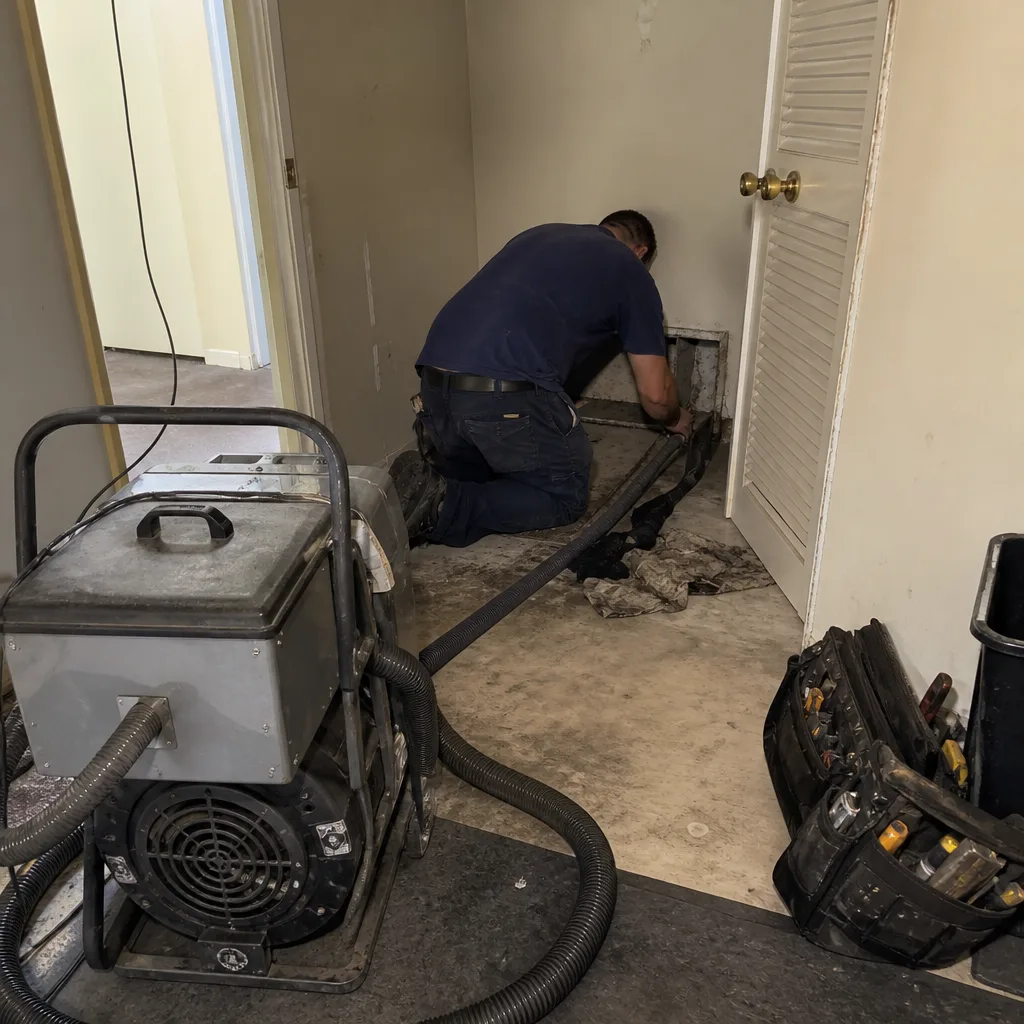 Before
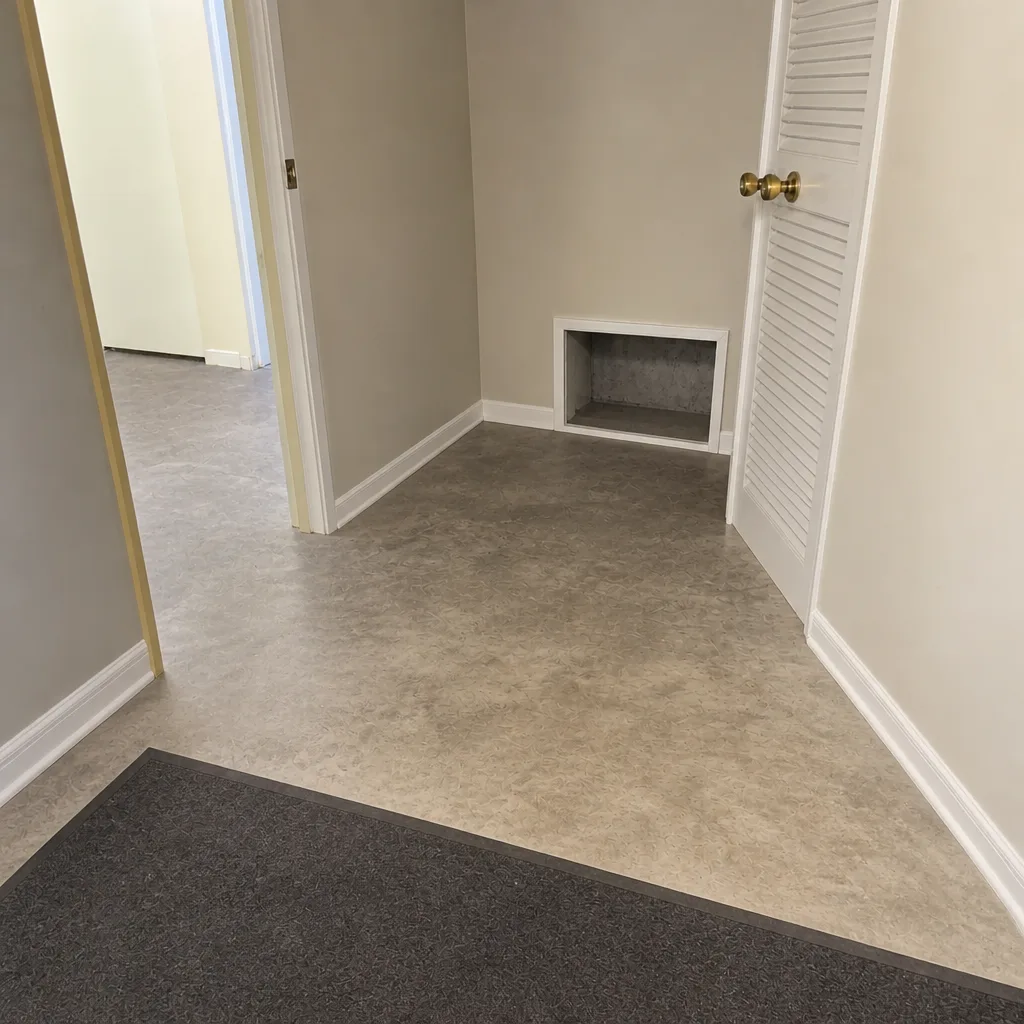 After
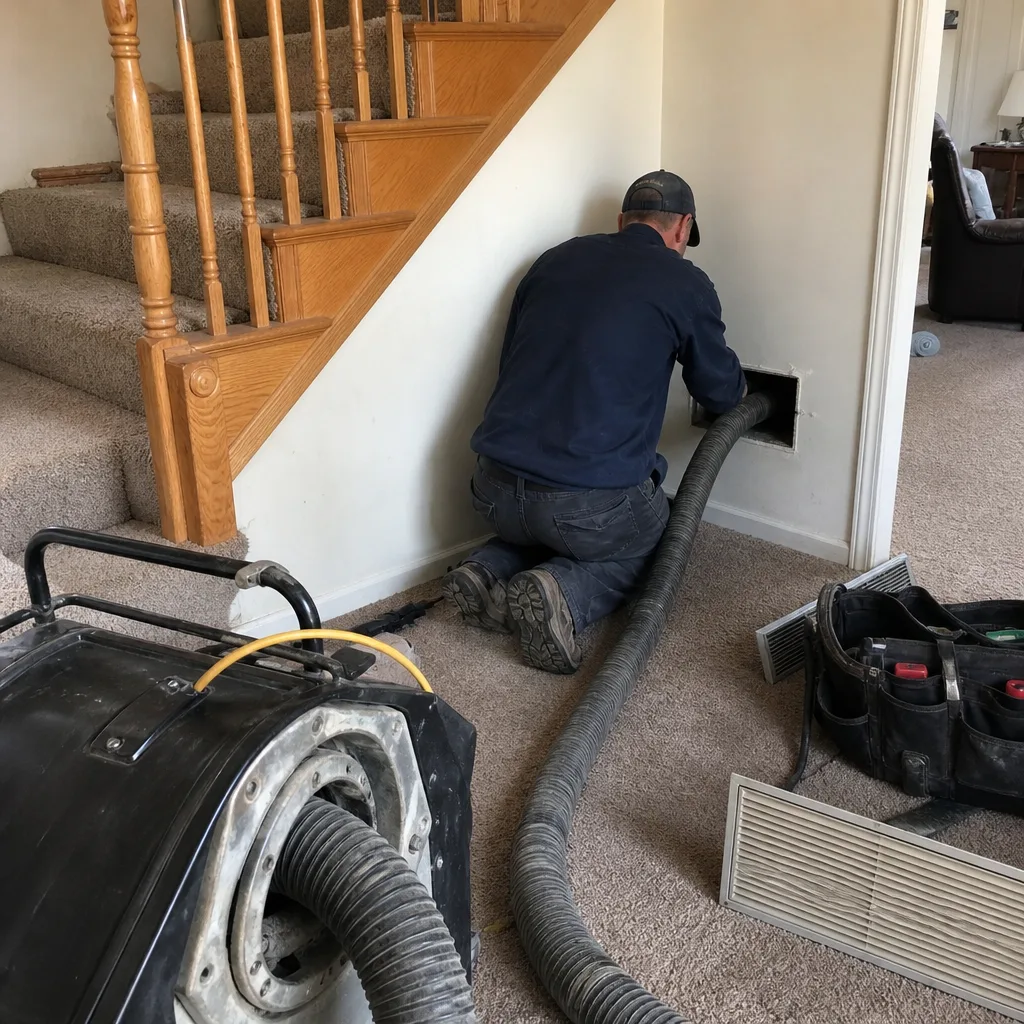 Before
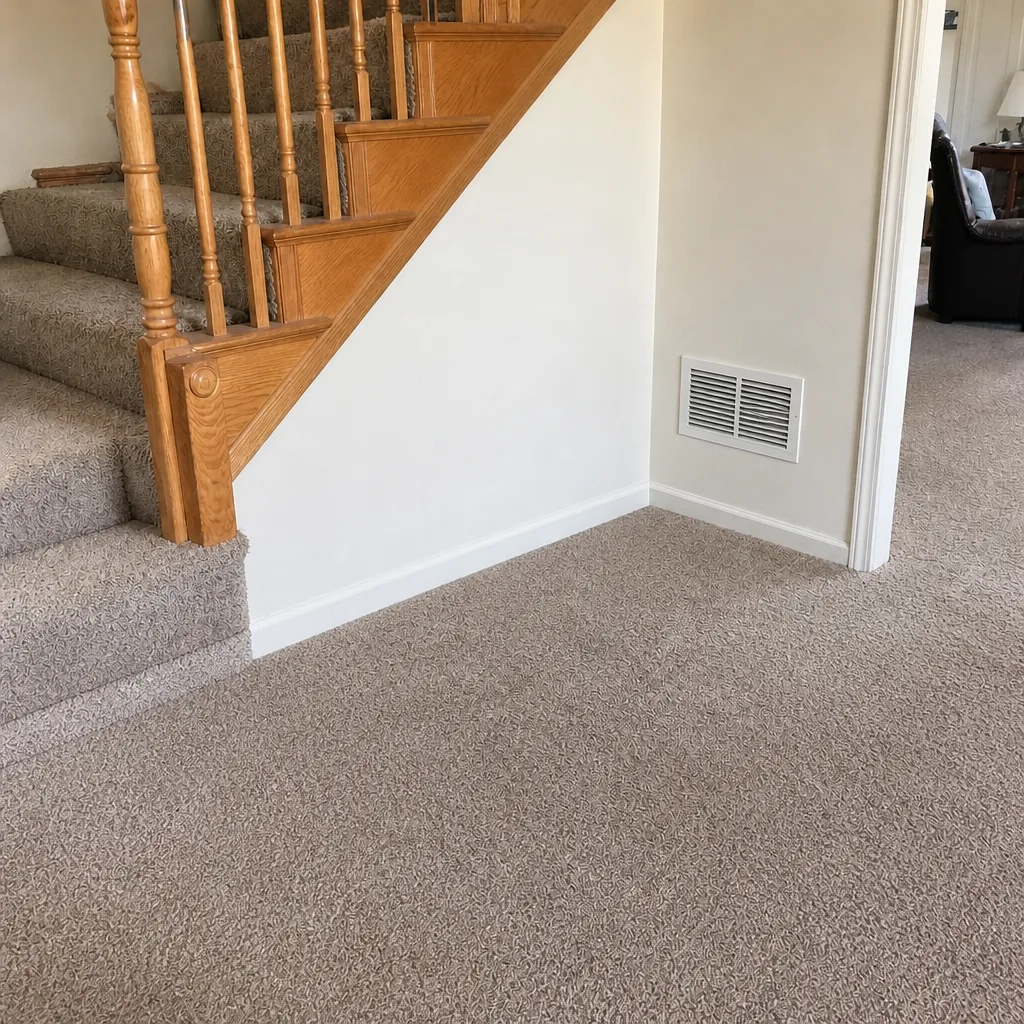 After
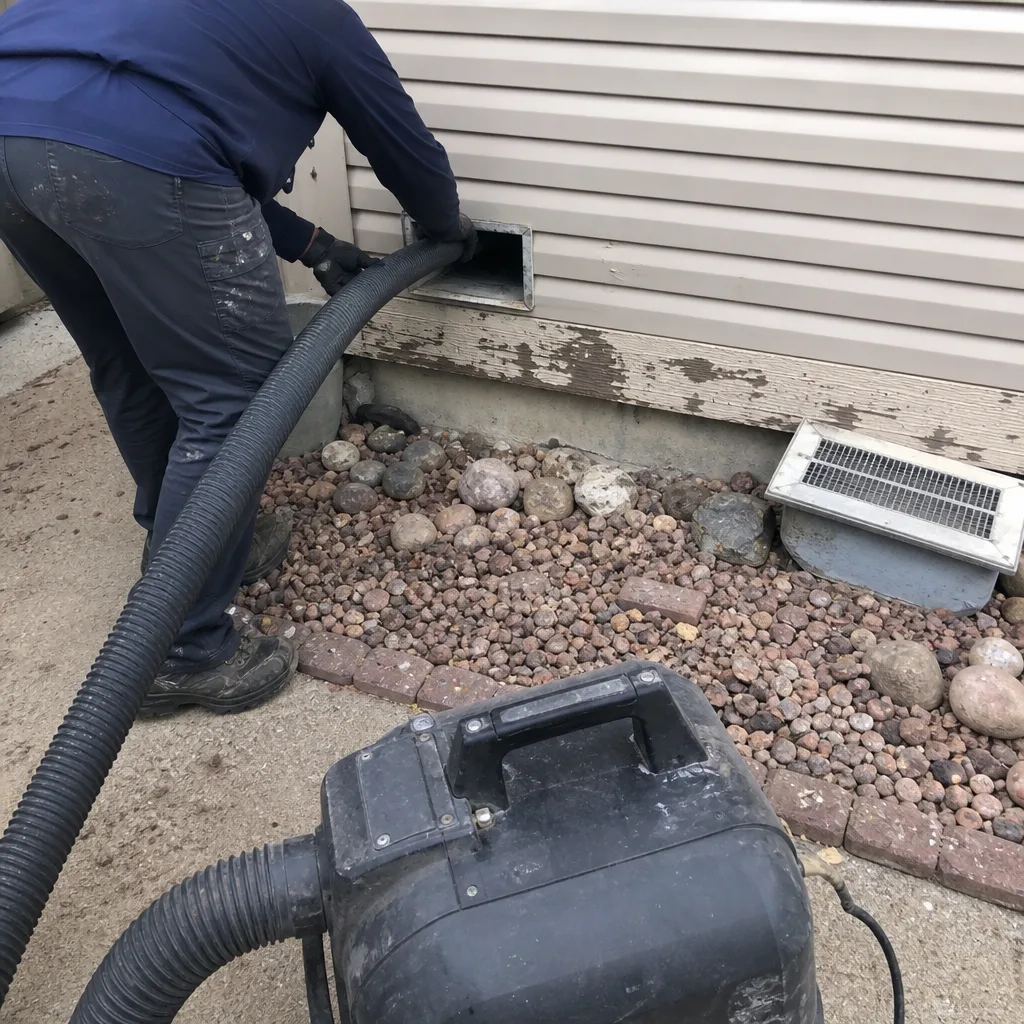 Before
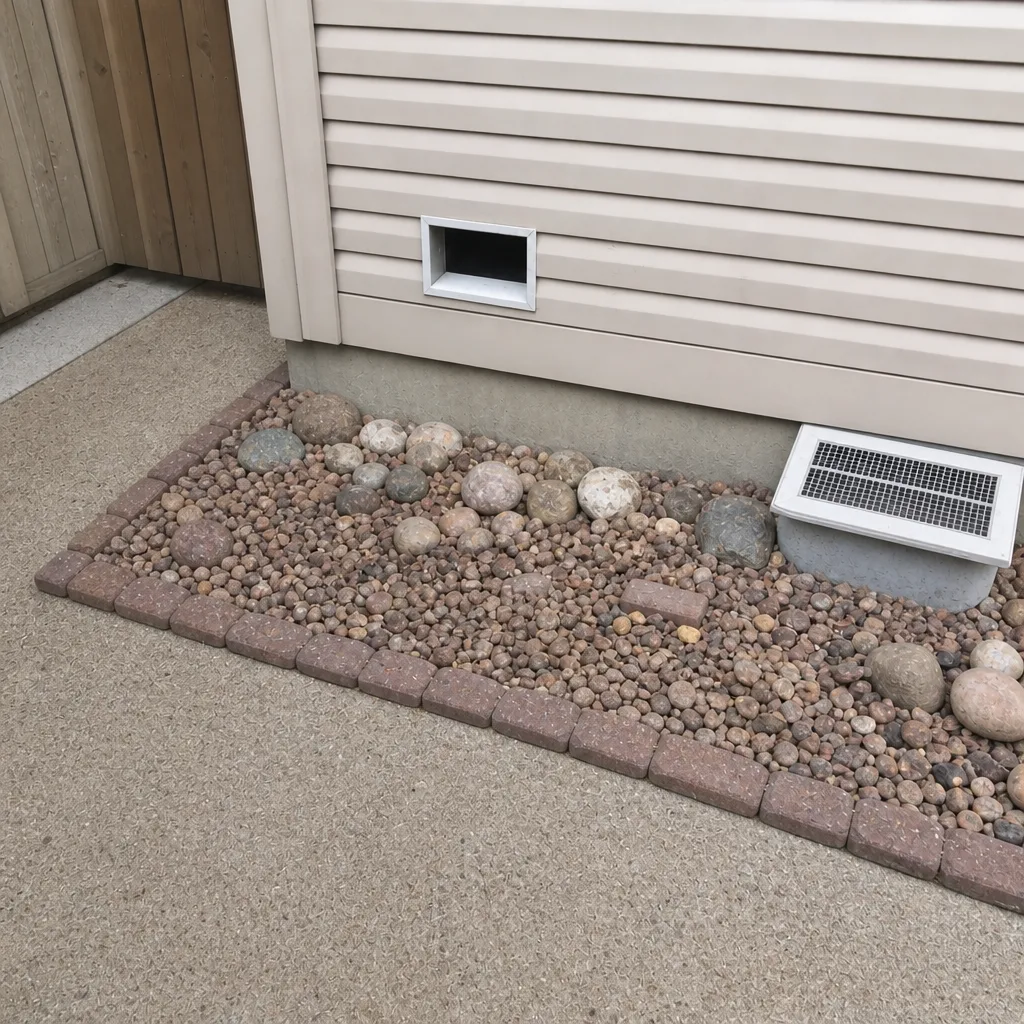 After
When to Call a Professional
Call a professional duct cleaner when the work you need to do is inside the system, not on its face. That includes any sign of musty odors, visible debris at registers, recent renovation dust, moisture intrusion, pest activity, more than 18 months since the last cleaning, and every dryer vent run that isn’t short and straight. If you’ve had a home inspection flag the ducts, or you’re working around a Honeywell or Aprilaire system and don’t want the setup disturbed, a professional visit is the right call. Flagship Air Duct Cleaning offers free estimates in Colorado Springs. We use professional-grade Rotobrush and Nikro systems and we can diagnose and repair duct damage on the spot. Call (866) 293-3740. We answer 24/7. Fast dispatch from 7am to 7pm, Sunday through Friday.
Frequently Asked Questions
No, not in any meaningful way beyond the register boot. A shop vac can clean the visible few inches inside a register, the grille itself, and the filter compartment, but it can’t reach the air handler, the plenum, or the trunk line, and it doesn’t have the air velocity to lift adhered debris from duct walls. Worse, it exhausts its own air into the room, so it redistributes dust rather than containing it. Call (866) 293-3740 for a free estimate if you want to know what’s actually in your system.
Yes, and we encourage it. Cleaning register covers, vacuuming the return grille, and staying on top of the filter schedule are all genuinely useful between professional cleanings. Colorado Springs’ dusty spring winds fill filters and register surfaces quickly, and routine DIY maintenance stretches the interval between serious cleanings. Change filters every 60 to 90 days during high-pollen months, and schedule a professional cleaning every 12 to 18 months depending on pets, remodeling, and occupancy.
Professional air duct cleaning in Colorado Springs typically runs a few hundred dollars for a whole-system cleaning, with the exact price depending on the number of vents, system complexity, and whether repair work is needed. The price we quote is per system, agreed before work starts, and the written estimate sets the final price. Call (866) 293-3740 for an exact quote, estimates are free.
Because they’re covering less work. A low quote usually means the company is skipping the air handler, skipping the plenum, or using a shop vac instead of a negative-pressure system and rotating brushes. Ask what equipment they bring and which duct sections they clean. If a company can’t name their equipment or won’t confirm the air handler is included, the cheaper quote is a smaller job. Call (866) 293-3740 to compare a full-scope estimate.
Ask to see before-and-after photos of your own ducts, not stock photos. A professional company can show you the state of the trunk and plenum before work begins and after it’s complete, because that’s what you’re paying for. If a company can’t produce photos of your system, that’s a real question. Call (866) 293-3740 and we’ll walk through what your system looks like before we recommend anything.
Yes, in specific and expensive ways. Flex duct liners tear easily when a consumer tool is pushed into them, which is the most common DIY duct damage we see in Colorado Springs. Duct board loses its air seal when the foil facing is scratched or punctured. And prying a sealed plenum open creates a leak that costs more to fix than the cleaning would have. If you don’t know the duct material, stop and get an inspection. Call (866) 293-3740 for a free estimate.
DIY is fine for a short, straight vent run of about 3 to 4 feet that exits directly behind the dryer. Anything with bends, a vertical chase, or a total length over about 6 to 8 feet needs a professional. Lint packs into the elbows and the far walls of the run, and a brush can’t clear what it can’t turn into. Given the fire risk, if your vent run isn’t the simple short-straight case, book a professional cleaning. Call (866) 293-3740. We answer 24/7. Fast dispatch from 7am to 7pm, Sunday through Friday.
The Bottom Line
The DIY vs professional question for air duct cleaning resolves on equipment geometry, not effort. A homeowner can clean register covers, change filters, and vacuum return grilles well, and should. Those tasks are genuinely useful and keep a system healthier between visits. What a homeowner cannot do is reach the air handler interior, the main supply plenum, or the return trunk, or contain disturbed dust under negative pressure while rotating brushes do the work. In Colorado Springs, where fine spring dust adheres to duct walls and older homes often run flex duct or duct board, the case for professional cleaning on the interior sections is even stronger than in other markets. DIY is part of the schedule. It isn’t a substitute for the cleaning.
If you’re in Colorado Springs and want to know what’s actually going on inside your system, call Flagship Air Duct Cleaning at (866) 293-3740 for a free estimate. We use professional-grade air duct cleaning equipment from Rotobrush and Nikro, we work alongside Abatement Technologies HEPA containment and the Honeywell and Aprilaire systems already in your home, and we offer duct repair on the same visit if we find damage. Flagship Air Duct Cleaning treats every job as the benchmark, not the baseline. Free estimates across Colorado Springs, no coupon gimmicks, and a flat price per system agreed before work starts. Call today.
Written by the team at Flagship Air Duct Cleaning.