
Last updated November 15, 2026
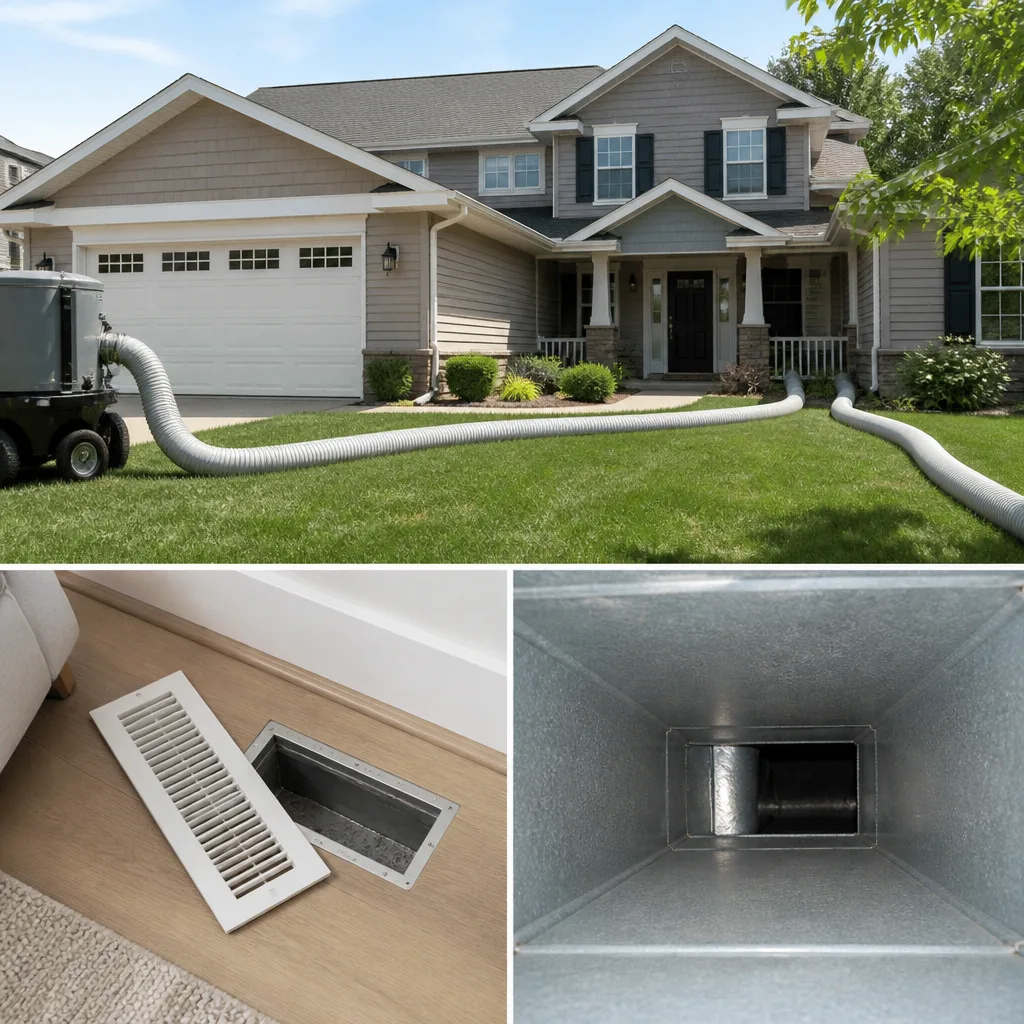 Whole-home duct cleaning
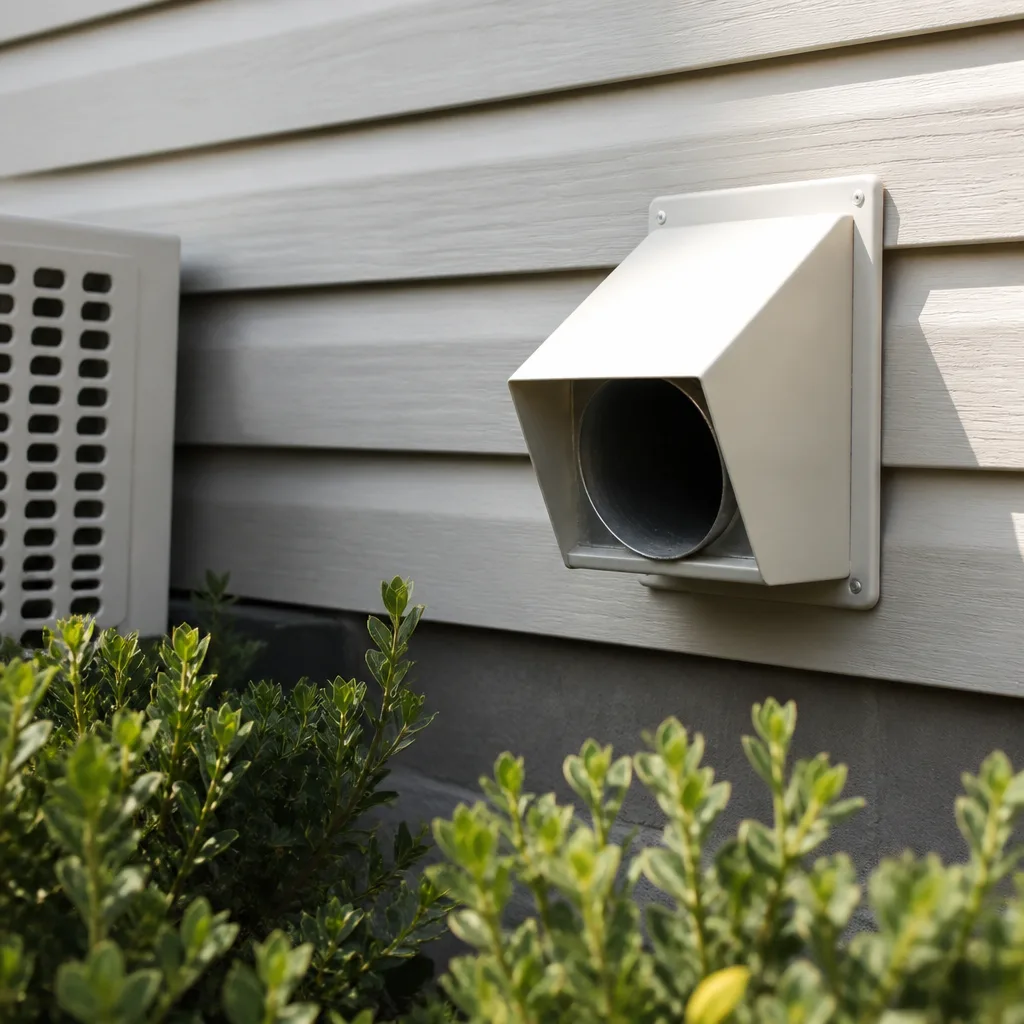 Dryer vent cleaning
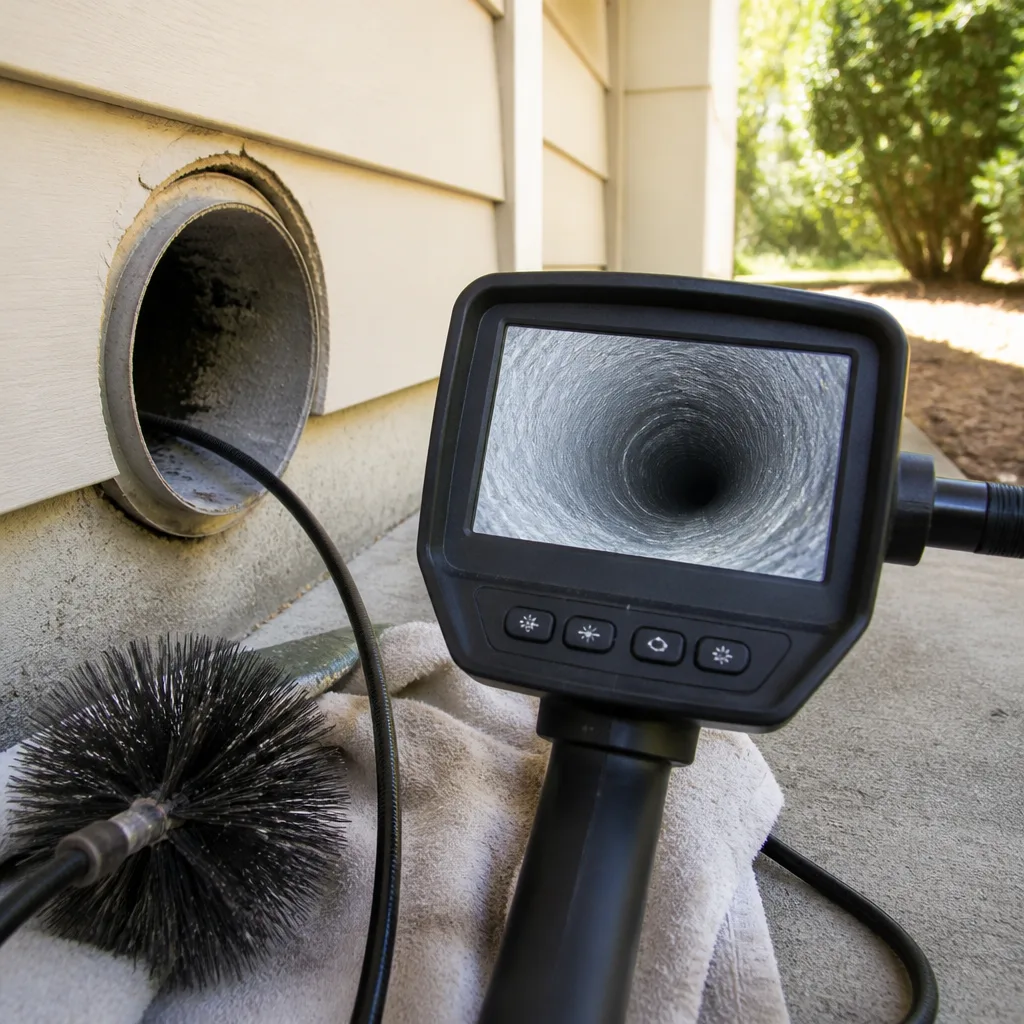 Camera inspection
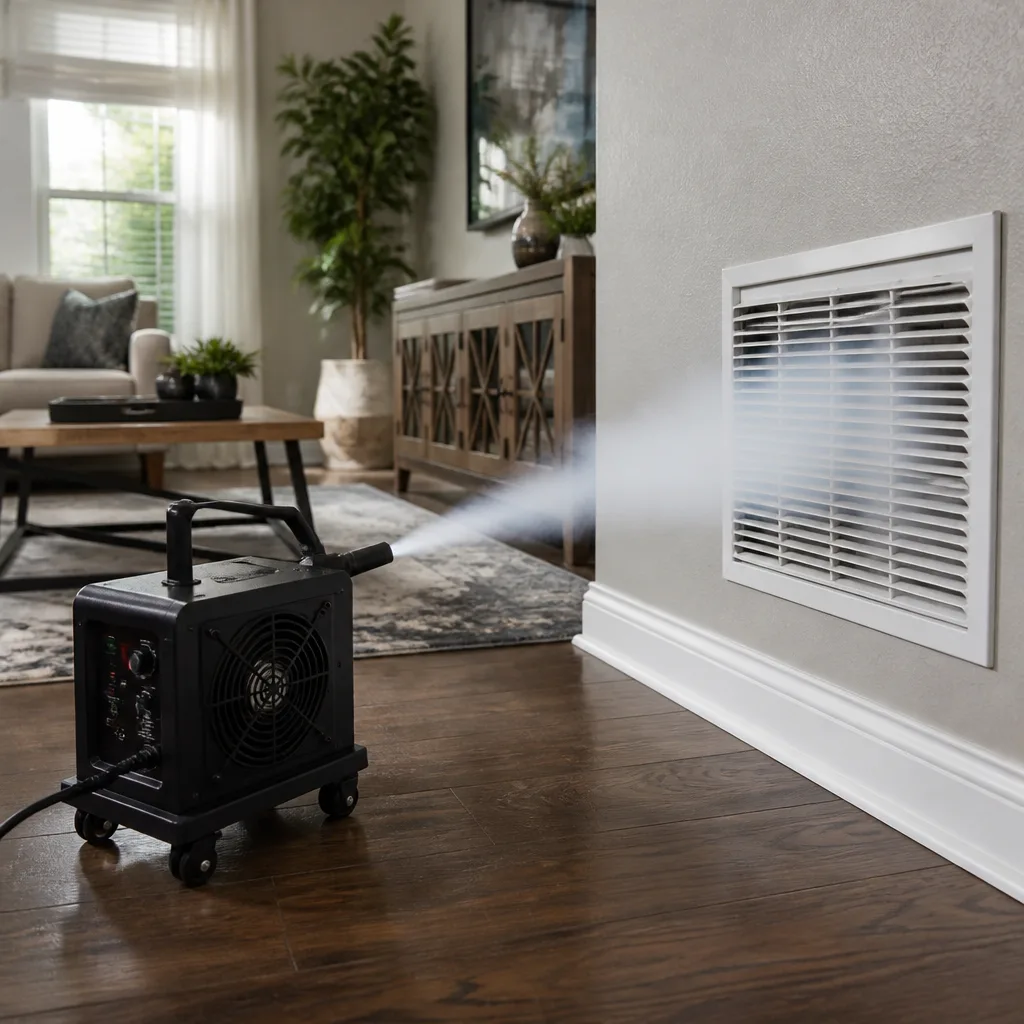 Sanitizing & deodorizing
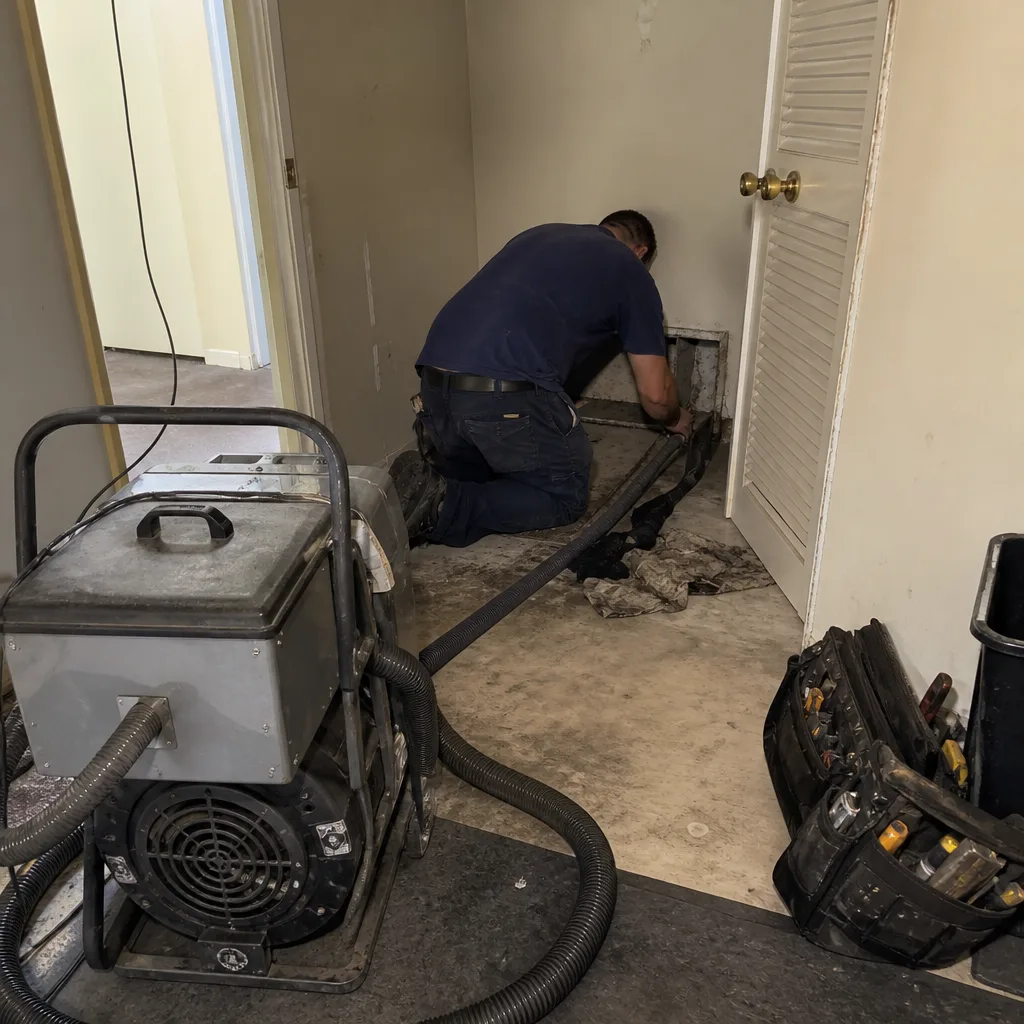
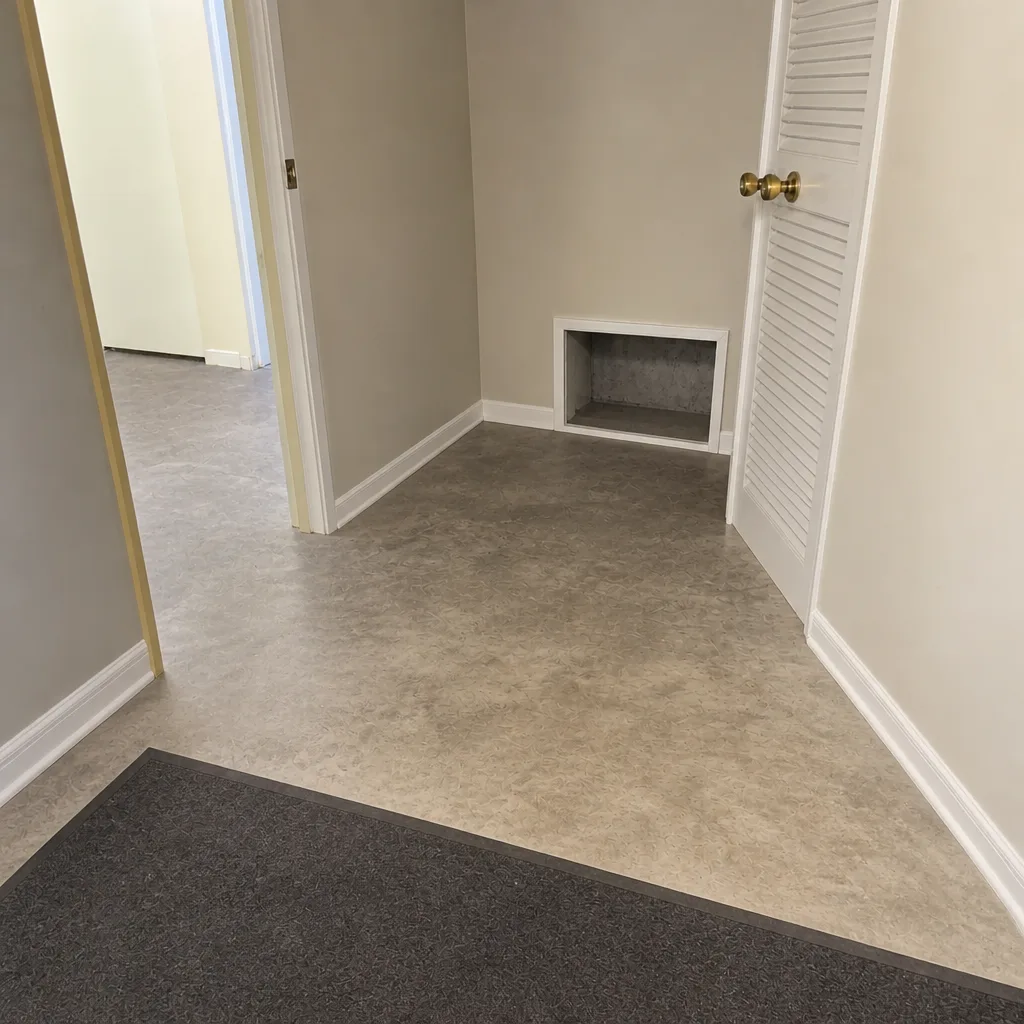
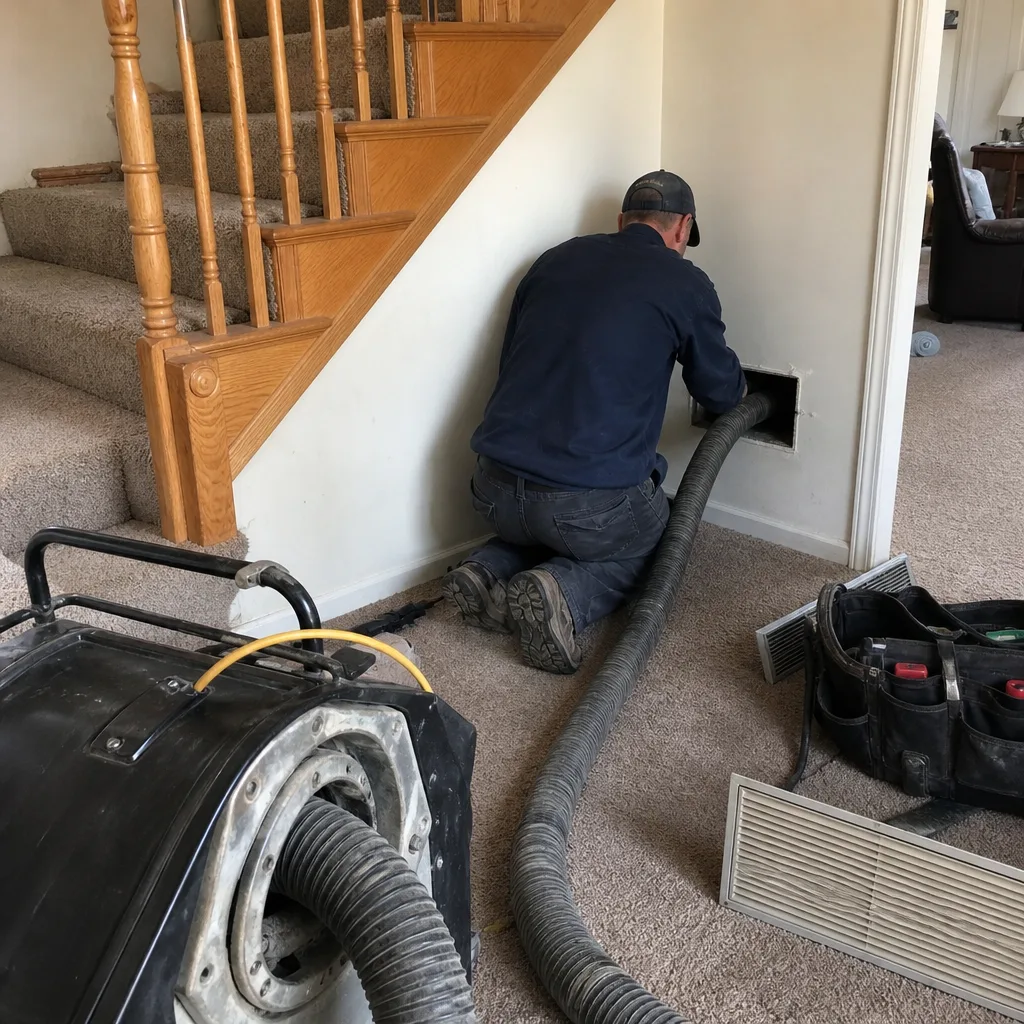
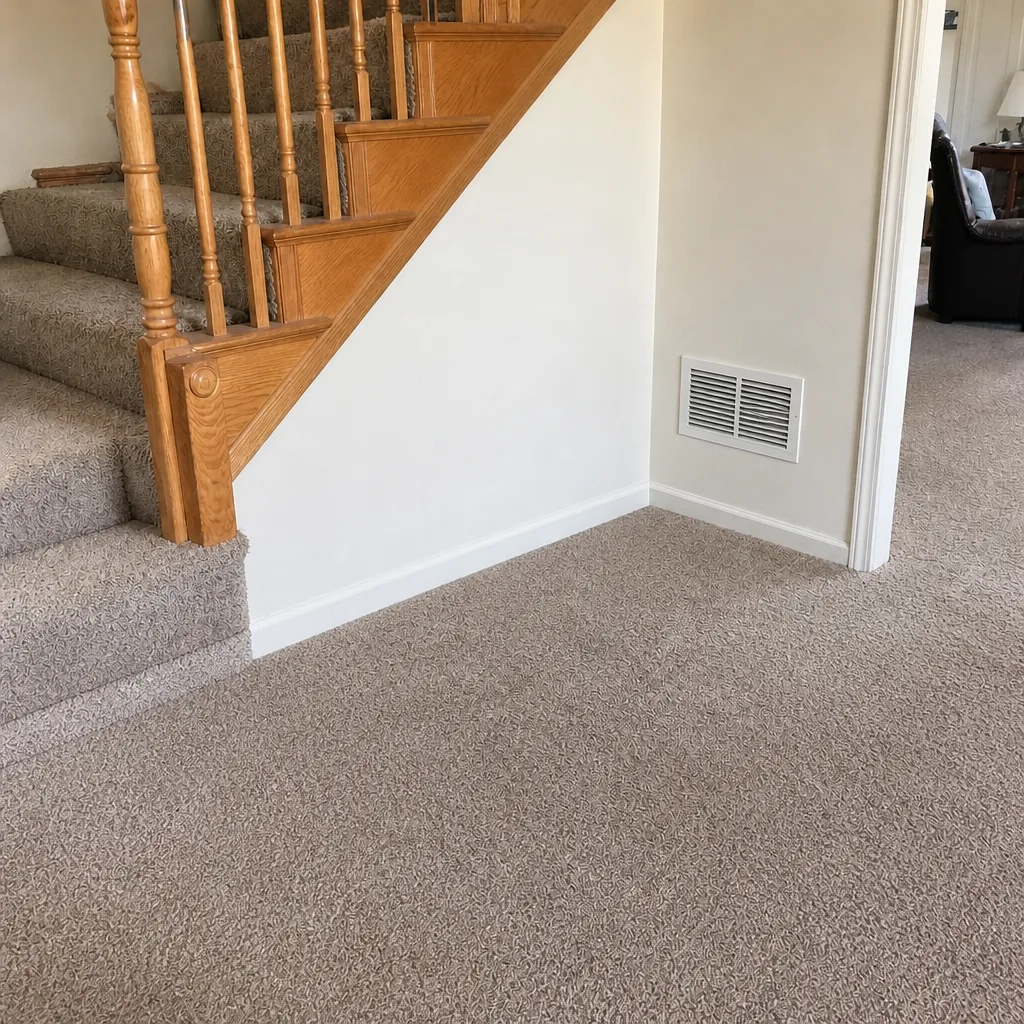
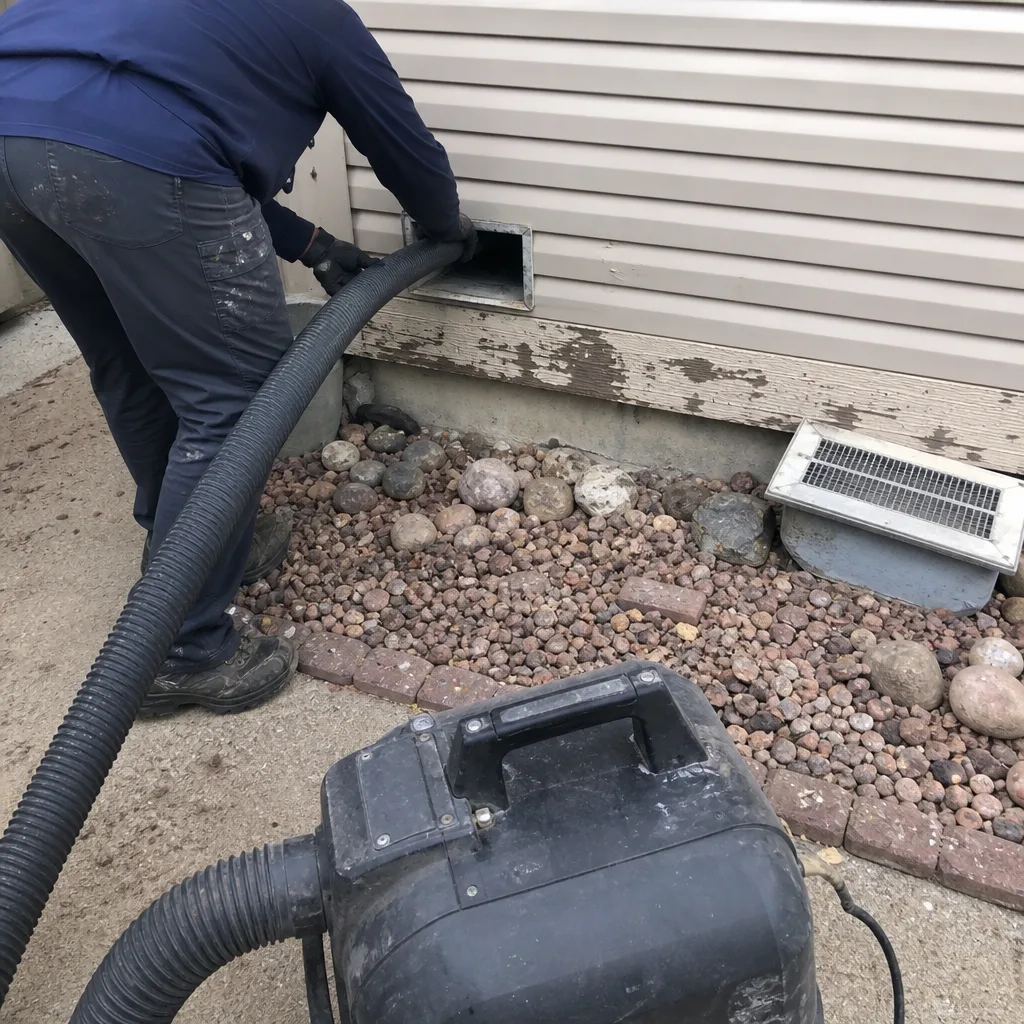
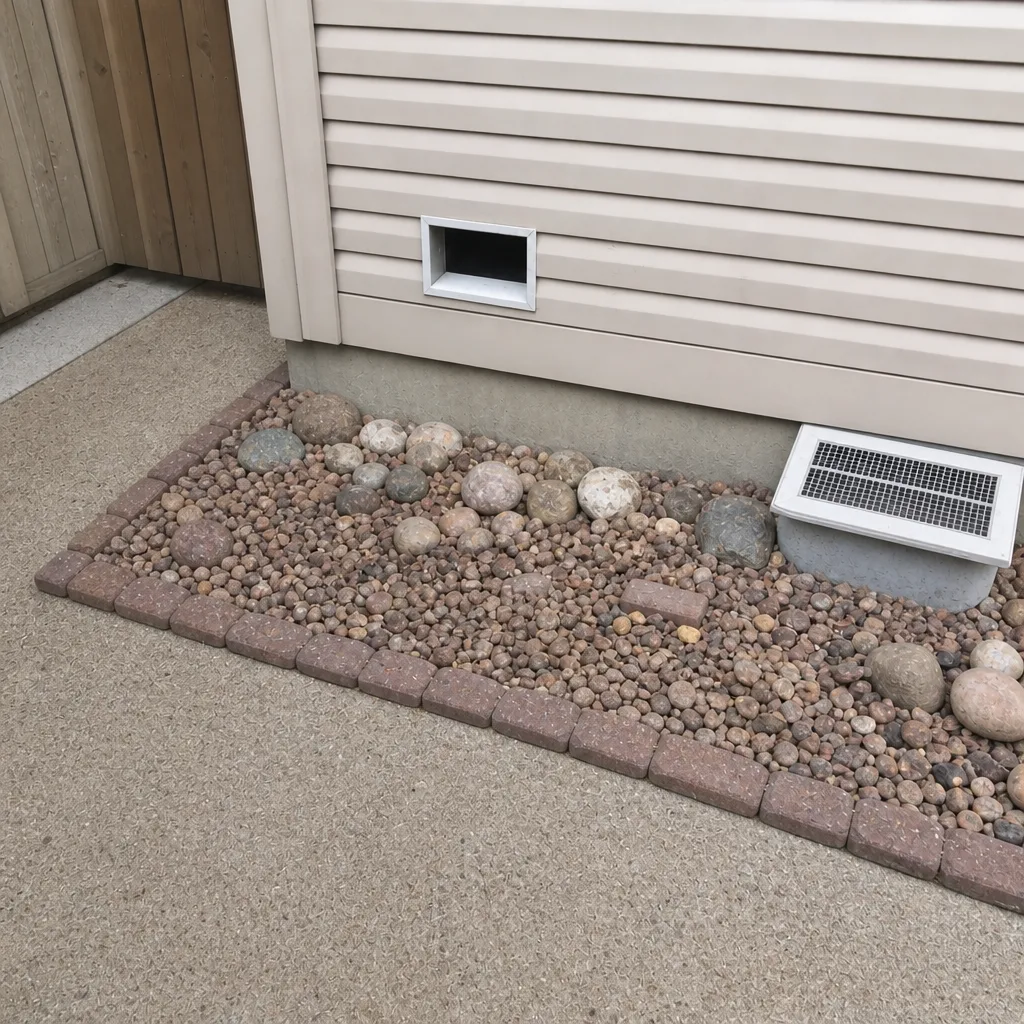
Whole-system duct and dryer vent check with before-and-after photos - you see exactly what came out of your vents
That "$99 whole-house special" is a bait ad - the real number appears once they are in your hallway, or the "clean" is a shop-vac at the register. We photograph the inside of your ducts before and after instead.
Seasonal Air Duct Cleaning Care for Colorado Springs: Year-Round Homeowner’s Guide
Most homeowners schedule duct cleaning in January because “it’s been a year,” and that’s the wrong reason entirely. In Colorado Springs, the worst duct contamination events don’t happen in winter – they happen in June, when monsoon moisture starts moving through basement runs, and in September, when wildfire smoke settles into return systems before the furnace wakes up. Cleaning on an anniversary means you’re often cleaning too early, or months too late. This guide breaks down what each Colorado Springs season actually does to your ductwork, and how to build a cleaning cycle around those real windows instead of a calendar date.
Quick Answer
Air duct cleaning in Colorado Springs works best on a seasonal cycle tied to local conditions: late April through May for the spring pollen peak on the Front Range, late summer for monsoon-related condensation in basement and underground runs, and early fall before heating season for wildfire smoke and particulate deposits. A two-year rotation built around those windows keeps your system cleaner than an arbitrary annual appointment. Cleaning right before each high-load season, rather than after, is the whole strategy.
Styles & brands we work with
- Whole-home duct cleaning
- Dryer vent cleaning
- Camera inspection
- Sanitizing & deodorizing
Table of Contents
- Why Seasonal Timing Beats an Annual Calendar
- Spring: The Front Range Pollen Peak and Your Return Ducts
- Summer: Monsoon Humidity and Basement Duct Condensation
- Fall: The Post-Wildfire-Smoke Protocol Before Heating Season
- Winter: What Furnace Startup Reveals About Summer and Fall
- How to Build a Two-Year Cleaning Cycle
- Dryer Vents: The Year-Round Safety Item Most Homes Skip
- Signs Your Ducts Need Attention Right Now
Why Seasonal Timing Beats an Annual Calendar
A fixed annual cleaning treats every month the same. Colorado Springs doesn’t. The city sits at the foot of Pikes Peak, where the growing season compresses into a tight spring window, the summer monsoon pattern pushes humidity into places that are dry most of the year, and fall brings smoke from regional fires that can settle deep into return ductwork. Each of those events loads your system differently. Cleaning at the wrong time means you pay for a clean system and then watch the next season undo it within weeks.
The logic is simple once you see it: clean before the load, not after. Cleaning in late April means your returns are clear going into the heaviest pollen weeks. Cleaning in early September means the smoke season hasn’t had a chance to deposit ash into a system that’s about to run for six months straight. An anniversary date in January does neither.
There’s a second reason the calendar approach fails here. Colorado Springs homes vary widely in construction – older neighborhoods near downtown have different duct layouts than newer builds on the north and east sides, and basement and crawlspace runs behave differently from attic runs. A seasonal cycle lets you match the cleaning to what your specific house actually experiences. We’ve seen plenty of homes where the return side gets loaded twice as fast as the supply side, and only seasonal observation catches that.
What “Seasonal” Actually Means for Ductwork
Seasonal care isn’t four cleanings a year. It’s recognizing which seasons carry the heaviest contaminant load in this climate and timing your professional service just ahead of them. For most Colorado Springs homes, that means two cleanings over a two-year period, placed at the spring and fall transition points, with visual checks in between. The section on building a two-year cycle walks through exactly how that works.
Spring: The Front Range Pollen Peak and Your Return Ducts
Late April through May is the heaviest pollen-load period on the Front Range, and your return ducts take the brunt of it. Cottonwood, elm, ash and the region’s grass pollens all release in a compressed window here because of the altitude and short growing season. When windows open during those mild weeks, unfiltered air moves into the return system faster than a standard filter can capture it. Pollen that bypasses the filter doesn’t vanish – it settles on duct walls, in the plenum, and along the return runs where airflow is slowest.
The return side is the part most homeowners never see. If you’ve noticed dusty registers, a musty smell when the fan kicks on, or visible buildup around the return grille, spring is when that buildup accelerates. Cleaning the system in late April, before the pollen peak, means the duct walls aren’t already loaded when the heaviest weeks arrive.
What to Check Before the Pollen Peak
- Look at the return grille and the duct just behind it with a flashlight. Visible dust matting on the walls means the system is due.
- Check your filter’s MERV rating against what your system can handle. A filter that’s too restrictive for your blower can reduce airflow without improving capture.
- Watch for pollen dusting on horizontal surfaces near returns – that’s often a sign of duct-side loading, not just room dust.
- Note any musty or earthy smell when the fan starts. That points to organic material in the system, not just dry dust.
Professional-grade equipment matters more in spring than at any other time. Pollen and fine particulate cling to duct surfaces; a portable shop vac stirs it into the air rather than removing it. The air duct cleaning we perform uses Rotobrush and Nikro systems built for exactly this – agitation that loosens the material and negative pressure that pulls it out of the system, not into your living room. We pair that with a before-and-after photo record so you can see what came out.
Summer: Monsoon Humidity and Basement Duct Condensation
Colorado Springs’ summer monsoon pattern creates a specific problem for homes with basement or underground duct runs: condensation. When humid monsoon air meets cool metal ductwork in a basement or crawlspace, moisture forms on the outside of the duct and, in poorly sealed systems, on the inside too. That moisture doesn’t just make ducts damp. It’s the condition that lets dust and organic material become a growth medium.
This is a Colorado Springs geography issue, not a general one. Homes on sloped lots and in older neighborhoods with deep basements have longer underground runs where the duct stays cool and the surrounding air stays humid. Above-grade attic runs don’t see it the same way. If your basement smells musty in July and August, and especially if the smell gets stronger when the system runs, condensation is a likely contributor.
How to Tell If Monsoon Moisture Is Affecting Your Ducts
- Musty or damp smell in the basement or from basement registers during July and August.
- Water staining or rust on the outside of duct runs or at joints.
- Loose or failing duct tape and mastic at basement joints – moisture breaks down adhesives.
- Condensation on supply boots or the duct surface during humid stretches.
The fix is a combination of sealing and cleaning. A duct system that’s pulling humid outside air through gaps needs those gaps addressed before cleaning is worth much, because otherwise the system re-wets itself. We clean it. If we find damage – failed seals, disconnected runs, crushed flex duct – we fix it. That’s what separates full-service air duct repair from a cleaning-only visit, and it’s why we handle both under one roof.
Fall: The Post-Wildfire-Smoke Protocol Before Heating Season
Wildfire smoke is a Front Range reality, and what settles into ductwork during a smoke event is finer and stickier than ordinary household dust. Ash and combustion particulate can bypass standard filters, especially when windows are open during a smoke event or when the system runs with a filter that’s already loaded. That material deposits in the supply and return runs and then circulates for six months once the furnace starts running.
The key move is testing before heating season, not cleaning blindly. Before you fire up the furnace for the first cold snap, look for the signs of particulate deposition: gray or black dusting on horizontal surfaces near registers, a sharp or smoky smell when you test the fan, visible darkening inside supply registers. If those are present after a smoke-heavy summer, the system needs professional cleaning before the heating season begins.
Post-Smoke Inspection Checklist
- Test the fan before the first cold snap and note any smoky or acidic smell at registers.
- Inspect supply and return registers for dark gray or black dusting.
- Check the filter – a heavily loaded filter after a smoke event suggests material got past it.
- Look at the blower compartment and plenum through the access panel (from a safe distance, with power off) for visible deposits.
- Schedule cleaning if any of the above are present, and do it before the furnace runs continuously.
We work with your existing Honeywell or Aprilaire setup rather than around it – if you have a whole-home air cleaner or media cabinet, we plan the cleaning so the IAQ equipment isn’t disturbed or voided. Homeowners who’ve invested in filtration deserve a duct service that respects it.
Winter: What Furnace Startup Reveals About Summer and Fall
The first weeks of furnace operation are a diagnostic window. As warm air moves through the system for the first time in months, any contamination left from summer moisture or fall smoke gets pushed into the living space. If the first heating cycle brings a smell, visible dust, or an increase in allergy-like symptoms, that’s the system telling you what happened over the summer and fall.
Furnace startup inspection points are simple to observe. You’re not opening the furnace – you’re noting what comes out of the registers and what the system does. This is the season to catch the results of summer and fall loading before they circulate for six months straight.
Startup Inspection Points
- First-run smell: musty means moisture from summer; smoky means fall particulate; both mean cleaning before continued use.
- Visible dust puffing from supply registers when the blower starts.
- Uneven airflow between rooms – a sign of partial blockages in runs.
- Increased dust on surfaces within the first two weeks of heating.
- Any new or worsening respiratory irritation when the heat runs, which is worth discussing with a professional.
Winter is also when a furnace that’s been neglected gets pushed hardest. We don’t service furnaces – that’s outside our scope – but we do handle the duct side, and if a technician during a cleaning finds a disconnected run or a crushed section, we can fix it on the spot so the furnace isn’t working against a compromised distribution system.
How to Build a Two-Year Cleaning Cycle
A two-year cycle built around seasonal windows works better in Colorado Springs than any fixed annual date. The idea is to place two professional cleanings across two years at the transition points that matter most, with visual checks in between. Here’s how it’s structured.
Year One
- Late April – professional cleaning. Clear the system before the pollen peak so returns aren’t already loaded when the heaviest weeks hit.
- Late August – visual check. Look at basement and supply registers for monsoon condensation signs. No cleaning yet unless something’s clearly wrong.
- Early October – smoke assessment. If summer brought smoke events, test the fan before heating season and clean only if inspection shows deposition.
Year Two
- May – professional cleaning. A slightly later spring cleaning in year two captures the full pollen season and any accumulation from the prior winter.
- September – pre-heating cleaning if warranted. This is the slot for homes that see smoke most years or that had visible deposition the prior fall.
- January – startup observation. Note first-run smells and dust, and schedule if the winter reveals a problem the fall check missed.
Between cleanings, keep the filter changed on schedule, watch the registers, and pay attention to how the house smells when the fan runs. That observation is what makes the two-year cycle work – it tells you whether you’re on track or need to move a cleaning forward.
Dryer Vents: The Year-Round Safety Item Most Homes Skip
Dryer vent cleaning isn’t seasonal in the same way duct cleaning is – it’s a fire-prevention service that matters every month. The U.S. Fire Administration links clogged dryer vents to thousands of residential fires annually, and lint accumulation happens year-round regardless of what’s going on outside. In Colorado Springs, dry winters and static-prone conditions make lint buildup in vents worth watching closely.
We treat dryer vent cleaning as a standalone safety service, not an upsell tacked onto duct work. If your dryer takes longer than it used to, the outside vent flap doesn’t open fully, or the laundry room feels unusually hot and humid, the vent is the first thing to check. We inspect and clean it with the same professional-grade approach we bring to ductwork, and we photograph what comes out.
Dryer Vent Warning Signs
- Clothes take two or more cycles to dry.
- The dryer or laundry room gets hot during a cycle.
- The exterior vent flap doesn’t open fully or has visible lint around it.
- A burning or musty smell during operation.
Signs Your Ducts Need Attention Right Now
Seasonal timing is the ideal, but some signs mean you shouldn’t wait for the next window. If any of the following show up, schedule a professional inspection regardless of the calendar.
- Visible dust or debris blowing from supply registers when the system starts.
- A persistent musty, smoky, or chemical smell that gets stronger when the fan runs.
- Visible dust matting on return duct walls behind the grille.
- Uneven airflow between rooms that’s gotten worse over time.
- Recent water damage, pest activity, or a renovation that generated heavy dust.
- Any sign of disconnected, crushed, or collapsed duct runs.
We bring professional-grade equipment to every visit, which matters when the problem turns out to be more than surface dust. Rotobrush and Nikro systems are built to agitate and extract material from duct walls without spreading it into the home, and we use before-and-after photos so you can see the result for yourself.
Common Mistakes to Avoid
- Cleaning on an anniversary date. A January cleaning ignores the June monsoon and September smoke windows that load Colorado Springs systems hardest. Time the cleaning to the season, not the calendar.
- Cleaning after the peak instead of before it. If you clean in June after the pollen season, the system sees the new load for the whole summer before you get to it again. Clean ahead of the load.
- Assuming a high-MERV filter solves everything. Filters capture what passes through them; they don’t clean duct walls. Pollen and smoke particulate that bypasses or loads the filter still ends up in the system.
- Ignoring the basement in monsoon season. Condensation in underground runs is a specific Colorado Springs issue, and a musty basement smell in July and August is a sign to check, not to mask.
- Hiring a shop-vac operation. Portable vacuums stir dust into the air. Professional systems use negative pressure and agitation designed for ductwork. Ask what equipment is being used.
- Skipping the duct repair after cleaning. Cleaning a system with failed seals or disconnected runs is temporary. If damage is found, fix it in the same visit.
- Overlooking the dryer vent. It’s the most common fire-prevention skip in any home. Treat it as part of your annual routine, not a separate afterthought.
See the difference
 Before
 After
 Before
 After
 Before
 After
When to Call a Professional
Call for a professional inspection when you notice visible dust or debris blowing from registers, a persistent smell when the fan runs, or dust matting inside return ducts. Call after a smoke-heavy summer if you see dark dusting near supply registers, and call after monsoon season if your basement smells musty when the system runs. Call if you’ve had water damage, pest activity, or a major renovation, and call if airflow between rooms has become noticeably uneven. These are all signs that a system has moved from ordinary dust to something a filter can’t manage. Flagship Air Duct Cleaning offers free estimates in Colorado Springs – call (866) 293-3740. We answer 24/7. Fast dispatch from 7am to 7pm, Sunday through Friday.
Frequently Asked Questions
Most Colorado Springs homes do well on a two-year cycle with two cleanings placed at the spring and fall transition points, rather than an annual appointment. Spring cleaning goes in late April through May before the pollen peak; a second cleaning in early fall catches wildfire smoke and monsoon-related buildup before heating season. Homes with pets, allergies, recent renovations, or frequent smoke exposure may need more frequent service.
Yes – it’s one of the specific issues Colorado Springs homes face. Humid monsoon air meeting cool basement or underground duct runs creates condensation on the duct surface and, in poorly sealed systems, inside the duct. That moisture turns dust and organic material into a growth medium, which is why a musty basement smell in July or August is worth investigating. Sealing gaps and cleaning the system address the cause, not just the smell.
Sometimes, not always. Smoke particulates can bypass standard filters and deposit in supply and return runs, but the right move is inspection first. Test the fan before heating season and look for dark dusting at registers, a smoky smell, or a heavily loaded filter. If those signs are present, cleaning is worth it. If the system shows no deposition, an annual cleaning isn’t automatically necessary.
We price per system by written estimate, not per vent, so the number depends on your home’s size and duct layout. The estimate is free, and the flat price is agreed before work starts, so you know the final number before anyone touches your system. That’s the answer to the bait-and-switch concern most homeowners have – a coupon-style teaser price that balloons once the technician is on site isn’t how we work. Call (866) 293-3740 for your free estimate.
We take before-and-after photos of your own ductwork during every job, so you see exactly what was removed and what the system looks like after cleaning. That’s the standard we hold ourselves to on every visit. If a company can’t show you the outcome of the work, ask why.
Yes. We’re familiar with Honeywell, Aprilaire, Abatement Technologies, and Guardsman indoor air quality systems and plan our cleaning so your existing setup isn’t disturbed or voided. If you’ve invested in whole-home filtration, the duct service should respect that equipment rather than work around it. We clean it, and if we find damage, we fix it.
The Bottom Line
Seasonal duct care in Colorado Springs comes down to one idea: clean before the load, not on the calendar. Spring pollen, monsoon humidity in basement runs, and fall wildfire smoke each hit your ductwork at different times, and a two-year cycle placed at those transition points keeps the system cleaner than any arbitrary annual appointment. Watch your registers and the smell when the fan runs. Fix damage when it’s found, and don’t skip the dryer vent. That’s the whole strategy. If you’re ready to schedule a cleaning or get an inspection, call (866) 293-3740 for a free estimate. We answer 24/7. Fast dispatch from 7am to 7pm, Sunday through Friday. You can also start at Flagship Air Duct Cleaning or read more about service in Colorado Springs.
Written by the team at Flagship Air Duct Cleaning.