
Last updated November 15, 2026
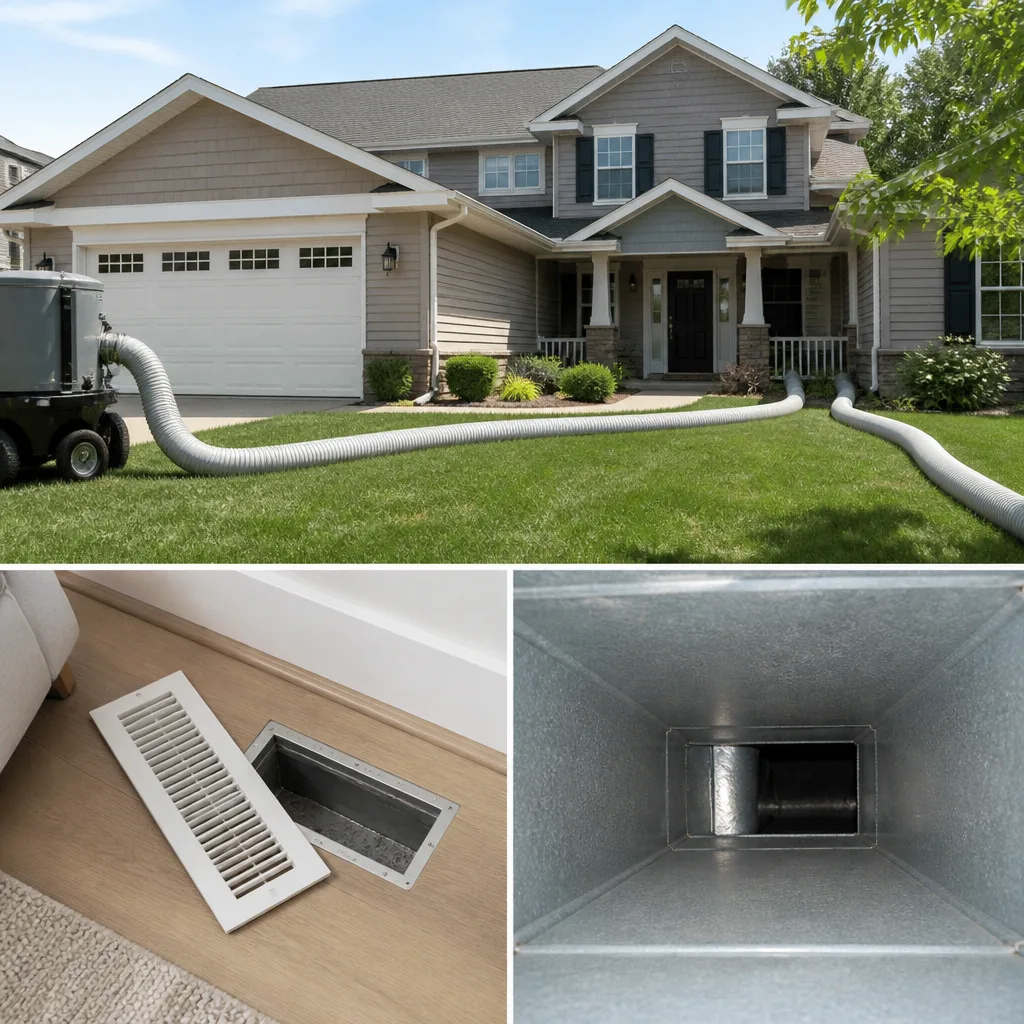 Whole-home duct cleaning
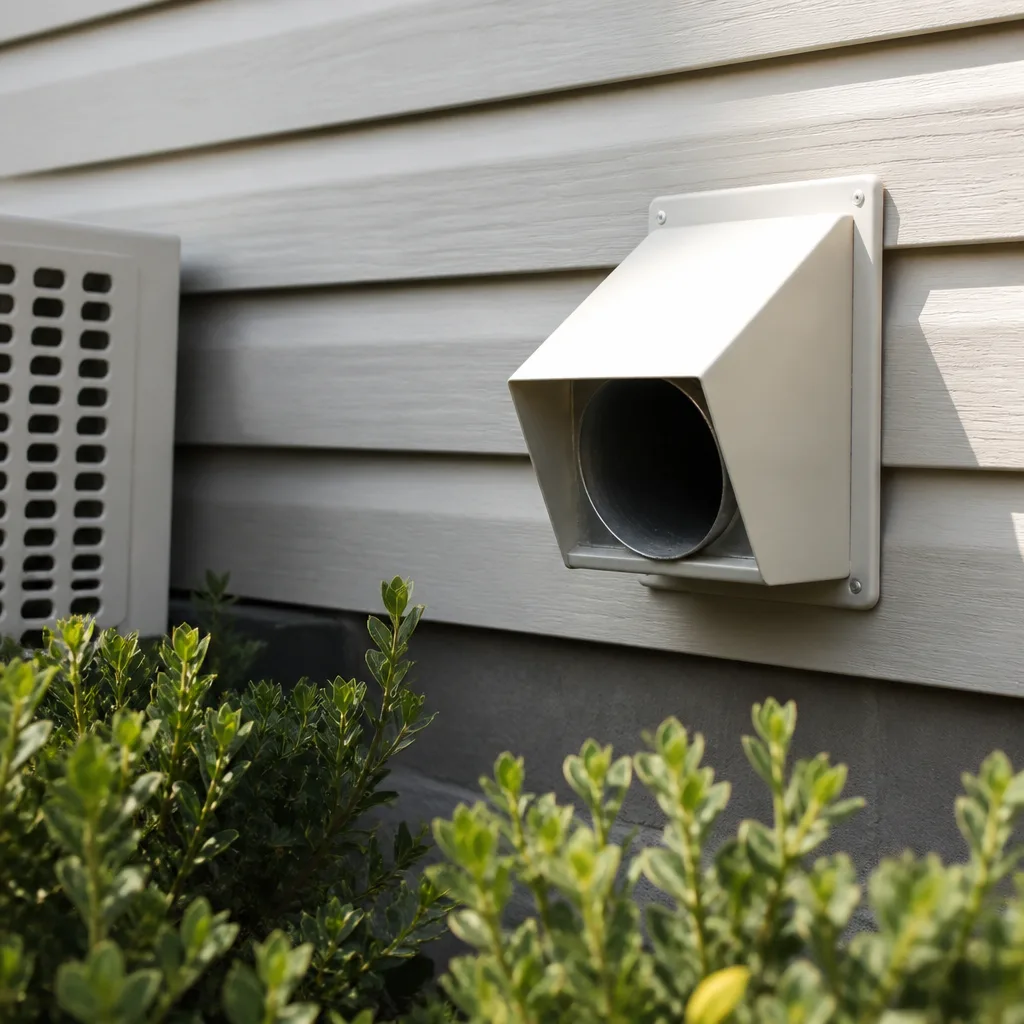 Dryer vent cleaning
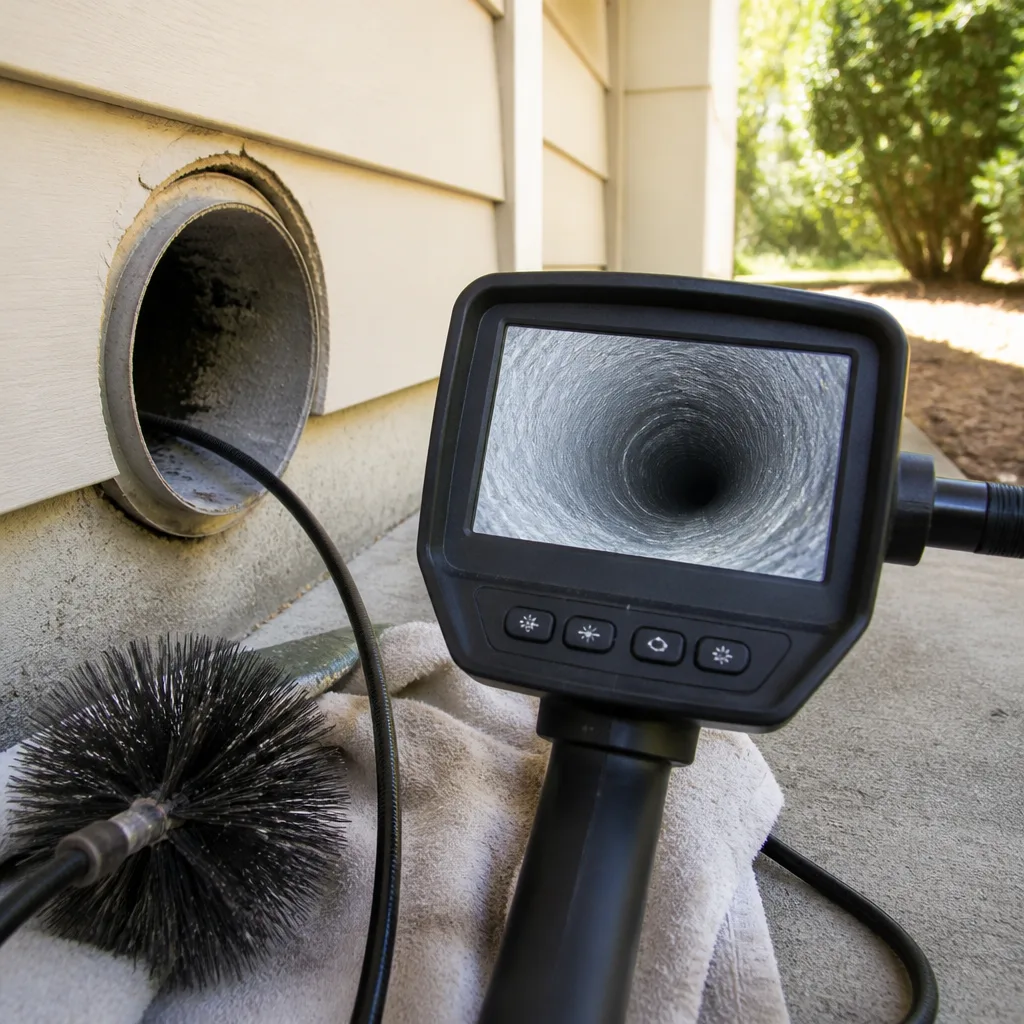 Camera inspection
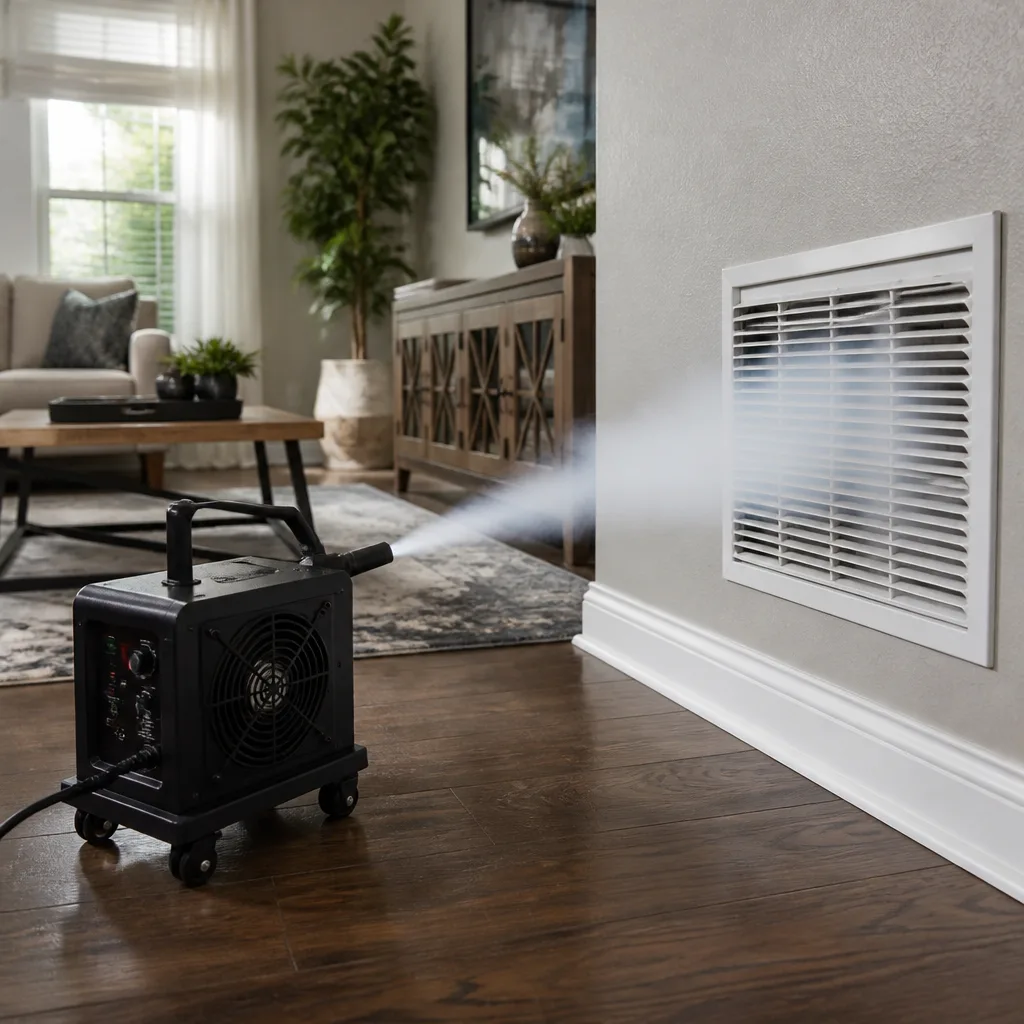 Sanitizing & deodorizing
Whole-system duct and dryer vent check with before-and-after photos - you see exactly what came out of your vents
That "$99 whole-house special" is a bait ad - the real number appears once they are in your hallway, or the "clean" is a shop-vac at the register. We photograph the inside of your ducts before and after instead.
How to Hire an Air Duct Cleaning Contractor in Colorado Springs: A Step-by-Step Guide
Colorado does not require a state license to operate an air duct cleaning company, which means the person quoting a suspiciously low flat rate for a whole-house cleaning and the contractor running a truck-mounted Nikro system have the exact same legal standing. That’s the uncomfortable reality behind this trade. Almost anyone with a vacuum, a business card, and a truck can knock on your door in Colorado Springs and call themselves a duct cleaning professional, and nothing in state law stops them. The gap between a real specialist and a vacuum-and-go operation isn’t visible on a quote sheet. It’s visible in the questions they answer, the equipment they show up with, and how they document what they did. This guide gives you the interview script, the equipment checks, and the contract language that separate the two.
Quick Answer
To hire an air duct cleaning contractor in Colorado Springs, verify what equipment they actually use, ask specific questions about negative pressure containment and source removal, confirm any NADCA membership directly on the association’s site, and require written scope of work with before-and-after documentation before anyone touches your system. Colorado has no licensing requirement for duct cleaning, so due diligence is entirely on you. A legitimate contractor welcomes every one of those questions. A scam operation deflects them.
Styles & brands we work with
- Whole-home duct cleaning
- Dryer vent cleaning
- Camera inspection
- Sanitizing & deodorizing
Table of Contents
- Why Colorado’s Missing License Requirement Changes Everything
- The Equipment Names That Signal a Real Contractor
- The Interview Questions to Ask Before You Book
- What NADCA Membership Actually Means
- What a Legitimate Pre-Work Inspection Looks Like
- Contract Language to Require Before Work Begins
- Colorado Springs Climate and Ductwork: Why Local Context Matters
- How to Verify a Contractor Step by Step
Why Colorado’s Missing License Requirement Changes Everything
Most trades that work inside your home carry some form of state oversight. Plumbers, electricians, and general contractors in Colorado operate under licensing structures that create a paper trail, a complaint process, and a minimum standard of competence. Air duct cleaning sits outside that framework. Colorado has no state license for it, no required certification, and no bonding requirement specific to the trade. That fact alone should reframe how you shop.
What this means in practice is that the burden of verification shifts entirely to the homeowner. There’s no registry to check, no license number to look up, and no state board to call if the work goes wrong. The market fills that vacuum with two very different kinds of operators. On one side are contractors who have invested in professional-grade equipment, trained technicians, and industry association membership. On the other are operators who buy a $99 coupon ad, arrive with a portable vacuum and a drill-mounted brush, spend forty minutes in your house, and collect a check before you’ve had time to look inside a single vent.
The pricing gap between these two is real and it’s the source of most of the confusion. A low headline number isn’t proof of a scam, but in a market with no licensing floor, it’s the most reliable early signal that something’s off. We’ve watched homeowner after homeowner in Colorado Springs get burned by exactly this dynamic, and the fix isn’t complicated once you know what to ask. The rest of this guide is that list of questions.
The Equipment Names That Signal a Real Contractor
You don’t need to become an HVAC technician to evaluate a duct cleaning contractor, but you do need to recognize a few equipment names. Professional duct cleaning relies on three categories of tooling, and specific brands have become shorthand for whether a contractor has actually invested in the trade.
Rotobrush is the most widely recognized name in residential air duct cleaning. A Rotobrush system combines a high-speed rotating brush with a powerful vacuum, and it’s designed specifically to agitate and remove debris from duct walls rather than just pull loose dust through the air. When a contractor tells you they use Rotobrush, that’s a meaningful signal. It’s equipment built for the job, not adapted to it.
Nikro is the other name worth knowing. Nikro makes truck-mounted and high-capacity negative pressure systems, along with a full line of duct cleaning accessories. A contractor running Nikro equipment is typically set up for larger jobs and stronger suction than a portable unit can provide. The difference matters on long trunk runs, which older Colorado Springs homes tend to have in abundance.
Abatement Technologies makes HEPA filtration and negative air machines used in containment work. When you hear this name, it usually means the contractor is equipped to handle jobs that require serious filtration, whether because of renovation dust, contamination, or a system with more than the usual debris load.
Here’s what to listen for in the conversation: if a contractor can name their equipment without prompting and explain why they chose it, that’s a good sign. If they dodge the question or say “we use the best,” that’s not.
The Interview Questions to Ask Before You Book
The single most effective filter for a duct cleaning contractor is a short set of specific technical questions. A real specialist answers them without hesitation. A vacuum-and-go operation either doesn’t understand them or won’t engage.
- Do you use negative pressure containment, and how do you set it up? Negative pressure means the contractor creates a vacuum in the duct system so that loosened debris is pulled toward the collection point rather than blown into your living space. Ask where they connect the vacuum, how they seal the openings, and what happens to the air in your home during the work. A legitimate answer will reference sealing supply and return registers and connecting a collection unit to the main trunk.
- What is your source removal methodology? Source removal is the industry term for actually removing the debris from the duct surfaces, not just fogging the system with a sanitizer or running air through it. Ask them to walk you through the sequence: agitation, vacuum, containment, verification. If they can’t explain the sequence, they probably aren’t doing it.
- How do you handle asbestos-era flex duct? Homes built before the mid-1980s may contain duct materials that require special handling. Flex duct from that era can degrade, and disturbing it improperly can release fibers. A professional contractor will ask about the age of your home before quoting and will decline or refer out work that requires abatement. They won’t just start brushing.
- What does your pre-work inspection include? A legitimate contractor inspects before quoting. That means looking at the furnace, the air handler, the main trunk lines, and if possible, running a camera through the trunk to see what’s actually inside. If a contractor quotes a flat price over the phone without inspecting anything, that’s a red flag.
- Do you offer repair, or just cleaning? Duct systems fail. Seams separate, flex runs tear, and registers come loose. A contractor who only cleans will hand you a list of problems and leave. Ask upfront whether they can fix what they find.
- Will I get before-and-after photos? This is the simplest accountability test in the trade. A contractor who documents the work with photos of your own ductwork has nothing to hide. One who doesn’t can’t prove anything was done.
What NADCA Membership Actually Means
The National Air Duct Cleaners Association (NADCA) is the primary trade body for this industry, and its membership is the closest thing to a credential you’ll find in a state with no licensing requirement. But membership means less than some contractors imply and more than a skeptical homeowner might assume.
NADCA membership obligates a contractor to follow the association’s published standards, most notably ACR, the Assessment, Cleaning, and Restoration standard for HVAC systems. That standard defines what a proper cleaning actually involves and sets the baseline for evaluation and documentation. Members also agree to a code of ethics and are expected to maintain the equipment and training the standard calls for. That’s a real commitment, and it’s not nothing.
What NADCA membership does not do is license, certify, or inspect the contractor. It’s a voluntary trade association, not a regulatory body. The association doesn’t send an inspector to your house, doesn’t review each job, and can’t force a member to refund you. Membership also doesn’t guarantee the technician who shows up at your door has been trained to the standard. It’s a signal, not a warranty.
If a contractor claims NADCA membership, verify it directly on the association’s website. The lookup is public and takes about a minute. If the name doesn’t appear, that’s useful information. If it does, you’ve confirmed they’ve at least committed to a published standard, which puts them ahead of the vast majority of operators in Colorado Springs.
What a Legitimate Pre-Work Inspection Looks Like
An inspection is where a real contractor earns the job. Before any quote is finalized, a proper inspection should include several distinct steps, and you should expect to see most of them.
- Air handler and furnace review. The contractor looks at the equipment that moves air through your system. If the blower, coils, or filter housing are heavily loaded with debris, that changes the scope of the work.
- Register and return inspection. Every accessible supply and return register gets looked at. The contractor is checking for visible debris, gaps in the seal, and signs of moisture or pest activity.
- Main trunk line camera inspection. This is the step most cheap operators skip. A small camera run into the main trunk shows what’s actually inside the duct system: dust load, debris type, and any damage. It’s how a contractor knows what the job will actually involve instead of guessing.
- System age and material check. The contractor asks how old the home is and what the ducts are made of. Sheet metal, flex duct, and fiberglass duct board all get handled differently.
- Scope discussion. The contractor tells you what they found and what they propose to do about it, in plain language, before writing the quote.
If an inspection stops at “looks like it needs cleaning,” you haven’t been inspected. You’ve been quoted. For a more detailed look at what a professional cleaning involves once the inspection is done, see our guide to air duct cleaning.
Contract Language to Require Before Work Begins
The single best protection against a bait-and-switch is a written scope of work signed before anyone opens a register. Ask for it in writing, and read it before you sign.
Here’s what a legitimate scope of work should include:
- The scope of the system itself. How many supply runs, return runs, and main trunks are being cleaned? Any contractor who quotes “the whole house” without a count is leaving themselves room to argue later. The agreement should specify what’s included.
- What’s excluded. Some contractors quote cleaning and exclude the air handler, the coils, or the furnace cabinet. That’s fine as long as it’s stated upfront. What’s not fine is finding out about the exclusions once the technician is standing in your basement.
- Before-and-after documentation. The contract should state that you’ll receive photos of your system before and after cleaning. That’s your proof the work happened.
- Repair authorization. If the contractor finds damage during the cleaning, the scope should say whether repairs are included in the quoted price or quoted separately. Ideally, you get a clear process: the technician documents the issue, quotes the repair, and proceeds only with your approval. If a repair is beyond what the cleaning contractor handles, they should say so and refer you out.
- The final price. The number in writing should be the number you pay. If the scope expands because of what’s found during the work, the change should be quoted and approved before it’s done, not added to the final invoice.
We put one flat price per system into every quote, agreed before work starts, and every job ends with before-and-after photos of your own ductwork. That’s the standard, and any contractor you hire in Colorado Springs should be willing to meet it. If they aren’t, keep shopping.
Colorado Springs Climate and Ductwork: Why Local Context Matters
Colorado Springs sits at a mile high, on the eastern edge of the Rockies, with a climate that stresses home heating and cooling systems in ways that matter for ductwork. Winters are cold and dry, springs bring wind and dust, and summers swing between cool nights and warm afternoons. The result is a system that runs in both heating and cooling modes most of the year, alternates between pushing warm air and cool air through the same ducts, and cycles through significant seasonal dust loads.
That dry air is the big one. Low humidity in Colorado Springs means dust in the system stays dry and airborne instead of settling into the duct walls. It travels to your registers more easily and gets pulled back into the return without collecting into a mat the way it does in humid climates. A slightly dirty duct system in a humid city might stay put. The same dirt in Colorado Springs moves through your living space more readily because the air is drier.
The dust season matters too. Spring winds across the Front Range carry fine particulate that finds its way into return air, and homes near construction or new development in areas like the north side of Colorado Springs pick up construction dust that settles into duct systems. Homes closer to the foothills, where the wind is stronger and the tree cover is different, get a different load. None of this changes the fundamentals of duct cleaning, but it does mean that a Colorado Springs homeowner’s system sees more seasonal debris than the national average. If you’re noticing more dust on surfaces or allergy flare-ups moving with the seasons, worth checking the system rather than the surfaces.
How to Verify a Contractor Step by Step
Putting everything above into a sequence you can actually run through before booking a job:
- Ask what equipment they use. Listen for Rotobrush, Nikro, or Abatement Technologies. If a contractor can’t name their equipment, ask them to describe it. If they can’t, move on.
- Run the interview questions. Negative pressure, source removal, asbestos-era flex duct, inspection process, repair capability, photos. Six questions, five minutes. A real contractor will answer all six.
- Verify NADCA membership independently. Look up the company on the association’s site. Confirm the name appears.
- Require a written scope of work. No work starts on a verbal agreement. The scope should name what’s included, what’s excluded, and the final price.
- Confirm inspection comes before the quote. If a contractor quotes over the phone and promises to show up with a truck, ask how they know what the job involves. If the answer is vague, that’s your answer.
- Ask about before-and-after photos. If the answer is no, the answer to hiring them is no.
- Check local context. Ask whether they’ve worked on Colorado Springs homes and what they typically find in older flex duct systems. A local specialist will have specific observations.
For a broader picture of how Flagship Air Duct Cleaning handles these standards and why we built our process around them, start with our Flagship Air Duct Cleaning overview. If your concern is the dryer side of the system rather than the HVAC side, our guide to dryer vent cleaning covers the fire-safety case in detail.
Common Mistakes to Avoid
- Booking based on a coupon price alone. In a market with no licensing requirement, the headline number is the least reliable piece of information on the ad. Ask what’s included, how much of the system it covers, and whether the price is final before you commit.
- Hiring a contractor who quotes without inspecting. A phone quote for a whole-house cleaning is a guess. A real contractor inspects the system, checks the main trunk, and quotes from what they find. If they skip the inspection, they’re selling you a flat price, not a service.
- Not asking about repair capability. Duct systems have seams that separate, flex runs that tear, and connections that work loose. A contractor who only cleans will hand you a list of problems and leave. Confirm upfront that the company you hire can fix what it finds, not just point at it.
- Accepting a verbal scope of work. The gap between what a contractor says on the phone and what the invoice says when the technician is on-site is where complaints come from. Get the scope in writing, including exclusions.
- Not verifying NADCA membership. Any company can claim membership. The lookup is public and takes a minute. If the claim doesn’t hold up, take that as a warning about the rest of the pitch.
- Skipping the before-and-after photo request in Colorado Springs. Dry air here makes it tricky to judge the work by how the house feels a week later. Photos of your own ductwork are the only reliable record of what was done.
- Ignoring dryer vents. Air ducts and dryer vents are separate systems, and dryer vents get significantly less attention despite carrying real fire risk. The U.S. Fire Administration links clogged dryer vents to thousands of residential fires annually. Worth handling as its own job, not an afterthought tacked onto a duct cleaning appointment.
See the difference
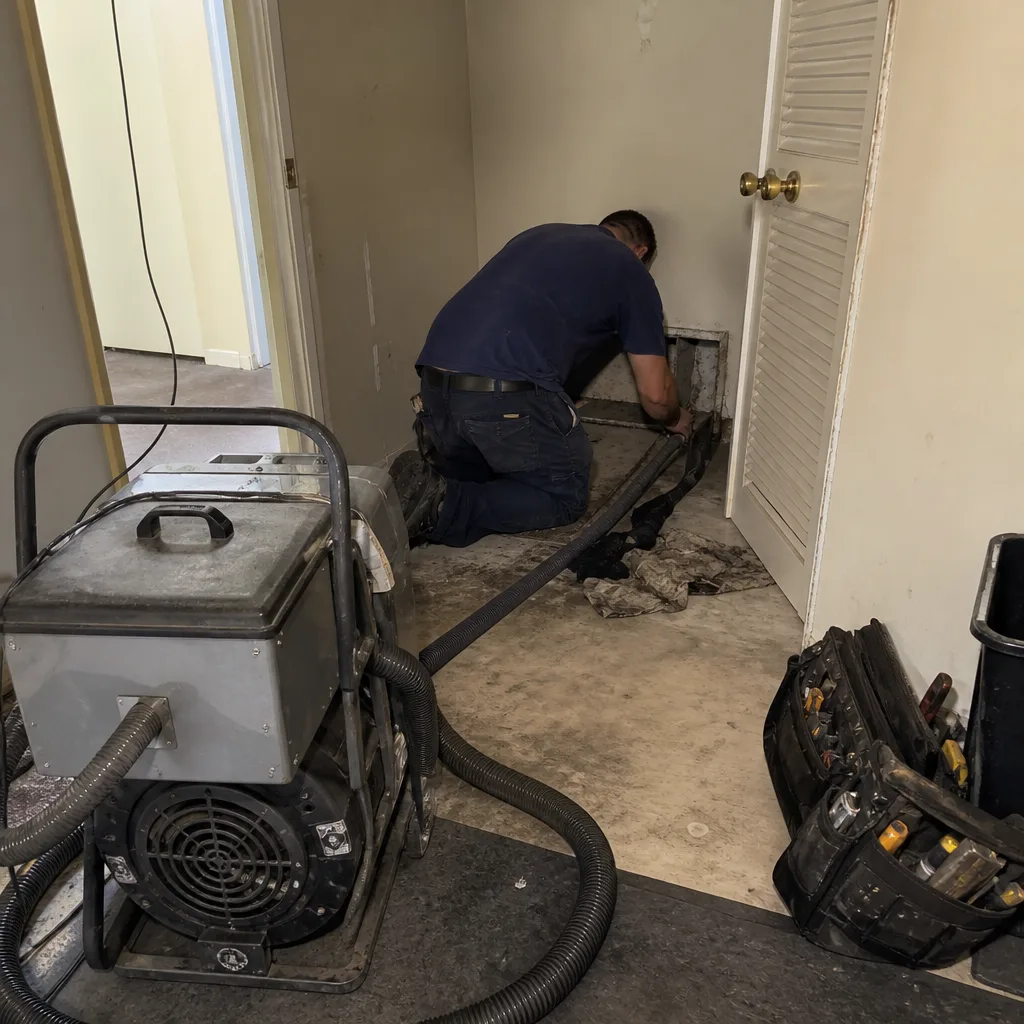 Before
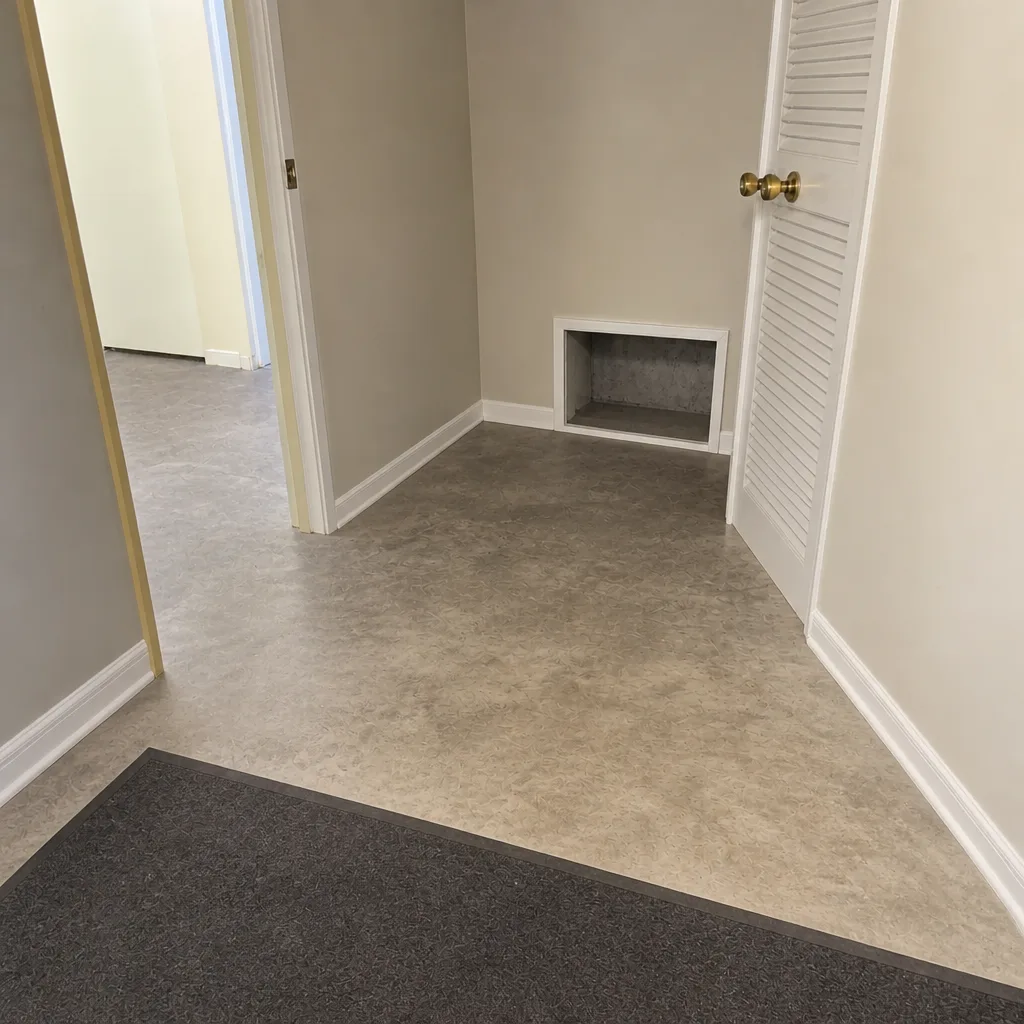 After
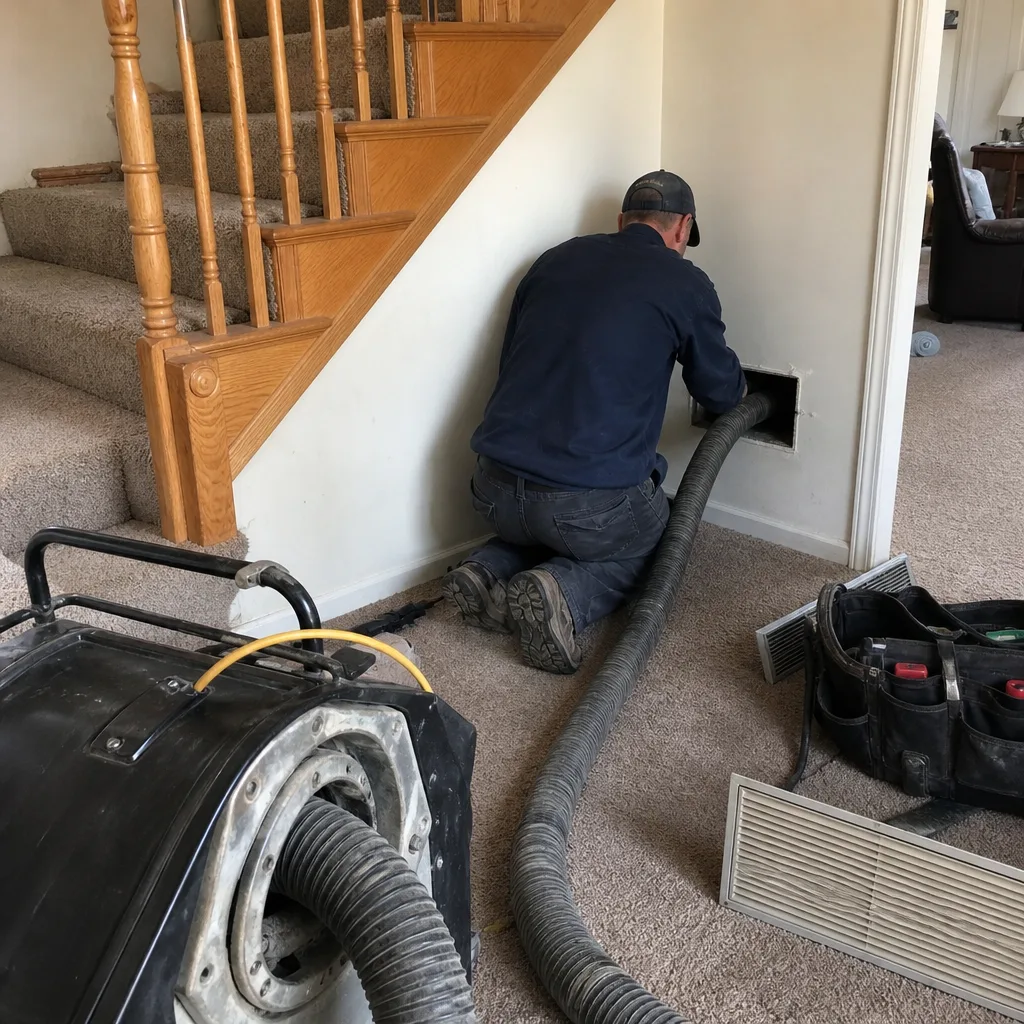 Before
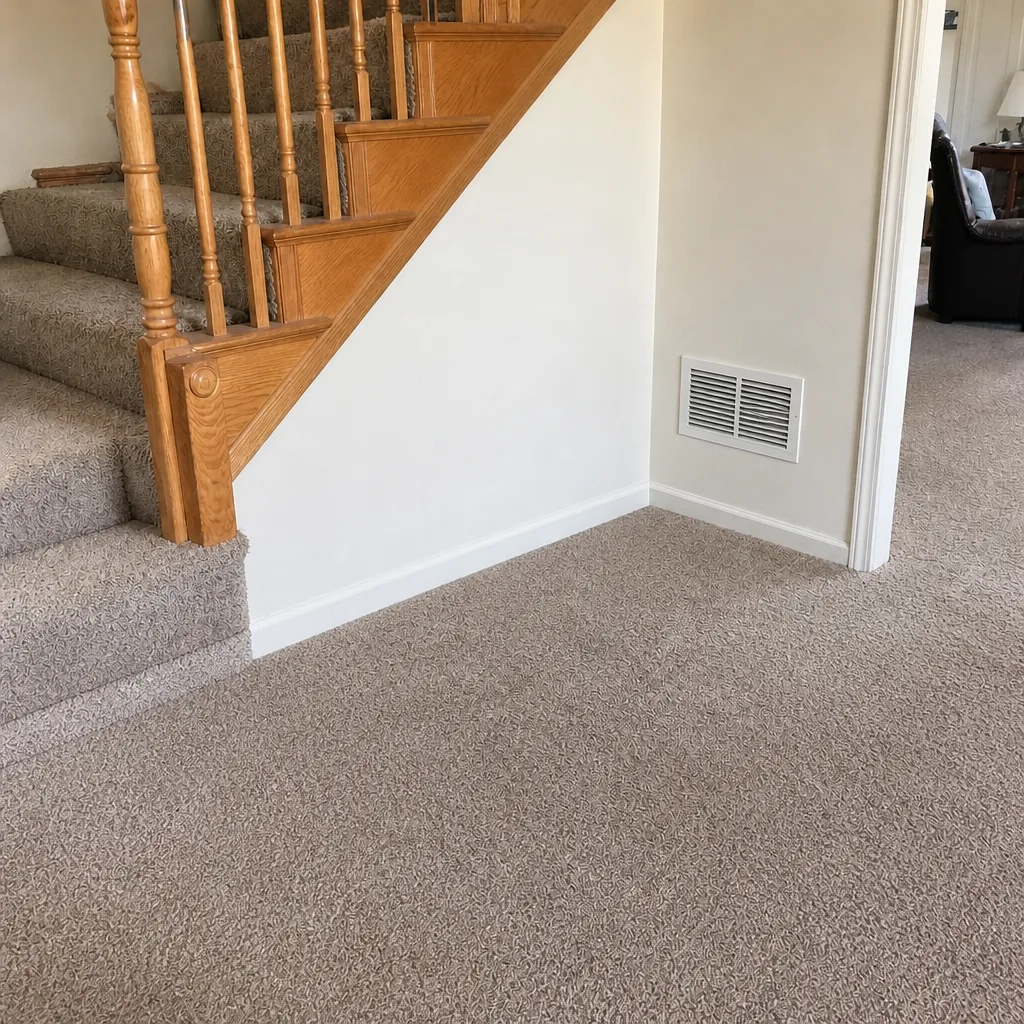 After
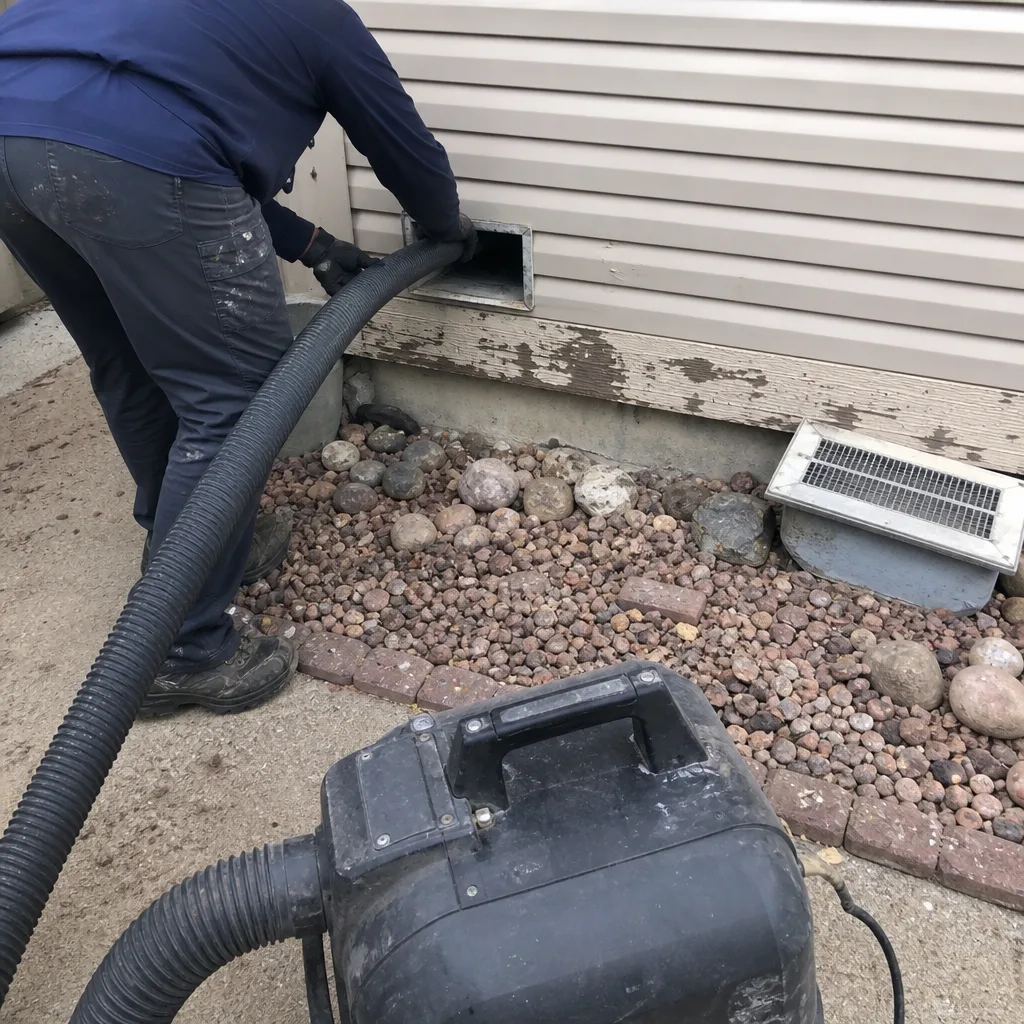 Before
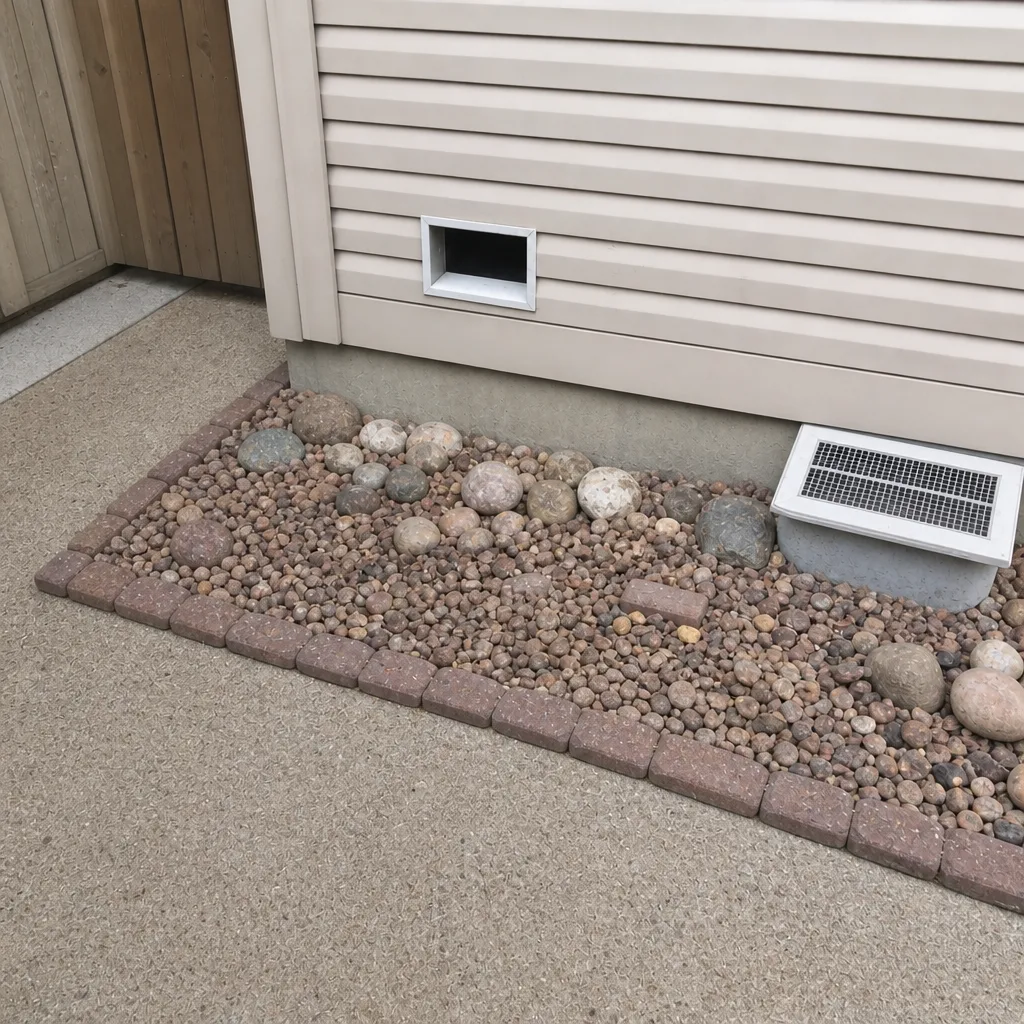 After
When to Call a Professional
Some air quality questions are best answered by a professional looking at the system, not by guessing. If you’re seeing more dust on surfaces than usual, noticing seasonal allergy patterns that track with your HVAC use, or hearing rattling in the ducts, those point to an inspection. If you’ve recently moved into an older Colorado Springs home and you don’t know the last time the system was cleaned, that’s worth an inspection too. The same goes for a visible layer of debris around the registers, a system that’s never been cleaned during your time in the home, or a renovation that has just wrapped up. On the safety side, a dryer that takes longer than usual to dry a load, or a vent with visible lint buildup at the exterior, deserves prompt attention. Flagship Air Duct Cleaning offers free estimates in Colorado Springs. Call (866) 293-3740. We answer 24/7. Fast dispatch from 7am to 7pm, Sunday through Friday.
Frequently Asked Questions
No. Colorado does not require a state license to operate an air duct cleaning business, which means there is no state registry, no license lookup, and no state board to file a complaint with if the work goes wrong. That’s why the verification steps in this guide matter so much – there’s no external authority doing that work for you. Ask the interview questions, verify any NADCA membership claim on the association’s site, and require a written scope of work before anyone touches your system.
Honest pricing for air duct cleaning in Colorado Springs is quoted per system, not per vent, and set by a written estimate after an inspection of your actual ductwork. Whole-system pricing scales with the number of runs, the size of the home, and what’s found during the inspection, so a phone quote without a system review isn’t reliable. The right move is to require an inspection and a written scope before booking. If the quote doesn’t include a written scope and a final price, keep looking. Call (866) 293-3740 for an exact quote – estimates are free.
Because the term “duct cleaning” isn’t defined by any state standard, some low-cost operators clean only the visible portion of the ducts, or treat the system with a sanitizer without doing meaningful source removal. The gap in the price reflects a gap in the work, not a competitive advantage. Ask what’s included, how the system is contained, and whether before-and-after photos are provided. The cheapest quote and the most thorough quote are rarely the same job. Call (866) 293-3740 for an exact quote – estimates are free.
Ask for before-and-after photos of your own ductwork before the job begins. A professional contractor documents the work in photos, because it’s the only way to prove the cleaning happened inside portions of the system you can’t see. If a contractor won’t provide documentation of your specific system, that’s your answer. Call (866) 293-3740 for an exact quote – estimates are free.
There’s no universal schedule, because it depends on the home, the system, the household, and local conditions. Colorado Springs’ dry climate means dust stays airborne longer and moves through the system differently than in more humid places, which can mean a shorter interval than the national average. Signs that it’s time for an inspection include visible debris around the registers, increased surface dust, and allergy patterns that track with HVAC use. Most homes do well with an inspection every few years to determine whether cleaning is warranted. Call (866) 293-3740 for an exact quote – estimates are free.
Ask them to name the equipment they use and explain why they chose it. Professional duct cleaning relies on systems like Rotobrush for agitation and vacuum, Nikro for high-capacity negative pressure, and Abatement Technologies for HEPA filtration and containment. If a contractor can’t name their equipment, ask them to describe it. If they can’t, that’s meaningfully different from a contractor who can. Call (866) 293-3740 for an exact quote – estimates are free.
The Bottom Line
Hiring a duct cleaning contractor in Colorado Springs comes down to knowing what to ask, because no state authority is going to ask it for you. Verified equipment matters. Specific technical questions about negative pressure and source removal matter. Nadca membership, checked directly, matters. A written scope of work with a final price and before-and-after documentation matters most of all. Those are the checks that separate a real specialist from a coupon ad. Flagship Air Duct Cleaning built our process around exactly those standards: professional-grade equipment, single-provider inspection and repair, and documented before-and-after photos on every job. If you’re ready to talk about your system, call (866) 293-3740. We answer 24/7. Fast dispatch from 7am to 7pm, Sunday through Friday.
Contact
If you’d like a free estimate for air duct cleaning, dryer vent cleaning, or air duct repair in Colorado Springs, call Flagship Air Duct Cleaning at (866) 293-3740. Our technicians have up to 9 years of experience, we work with professional-grade Rotobrush and Nikro systems, and we work alongside existing Honeywell and Aprilaire indoor air quality setups without disturbing them. Call (866) 293-3740. We answer 24/7. Fast dispatch from 7am to 7pm, Sunday through Friday.
Written by the team at Flagship Air Duct Cleaning.