
Last updated November 15, 2026
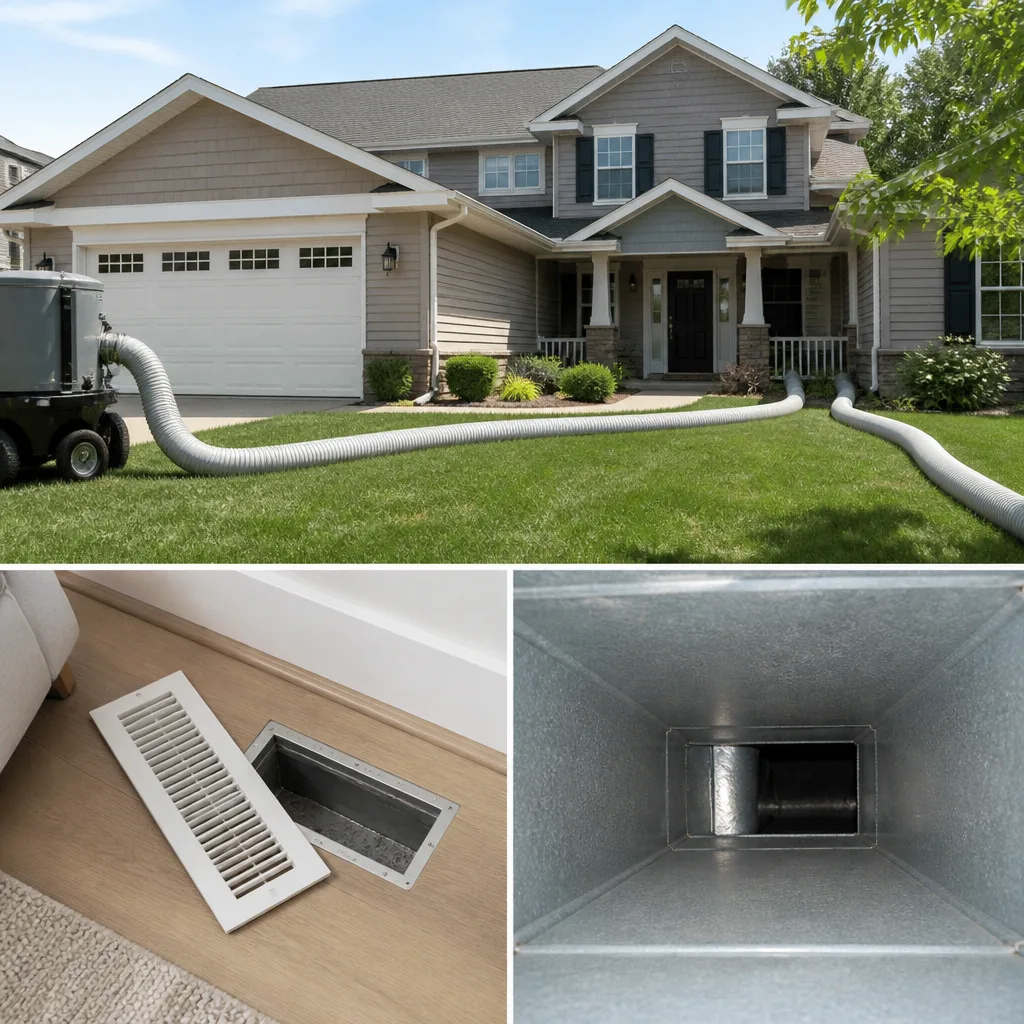 Whole-home duct cleaning
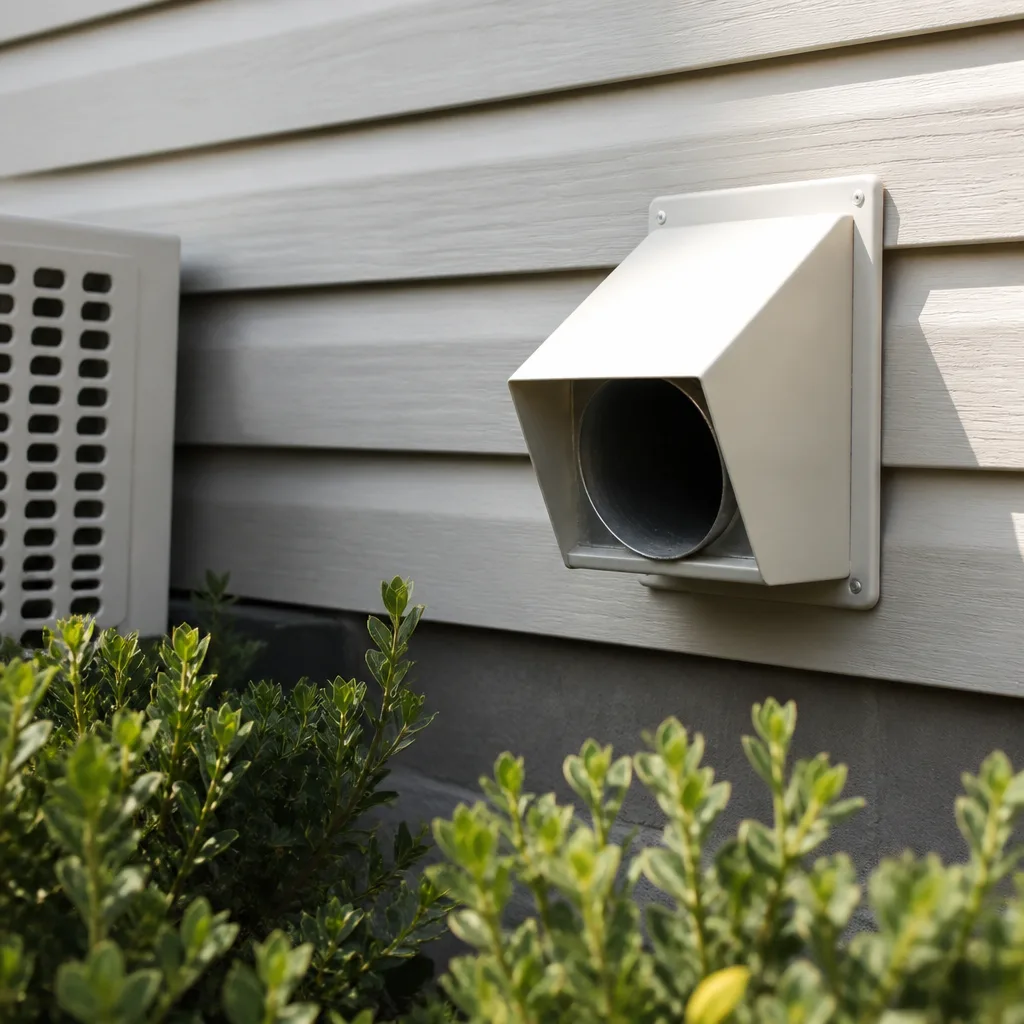 Dryer vent cleaning
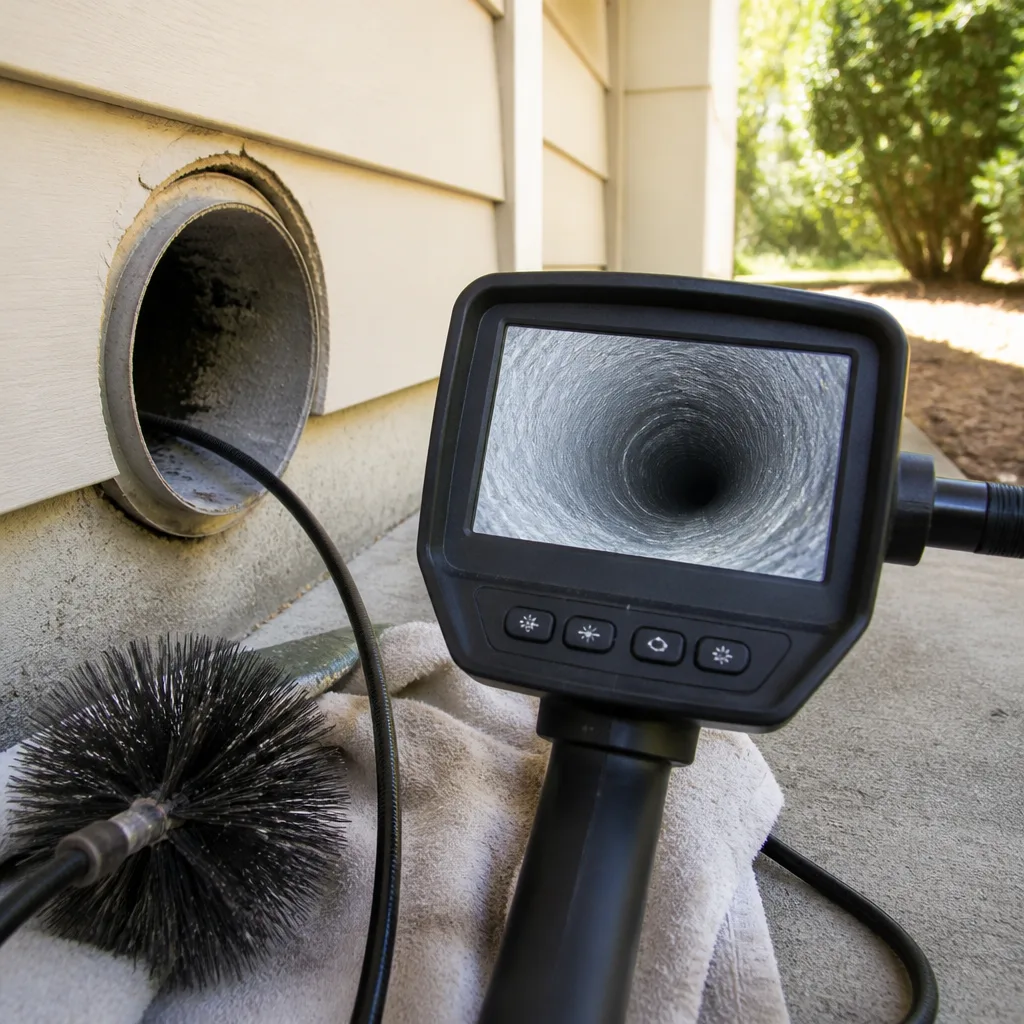 Camera inspection
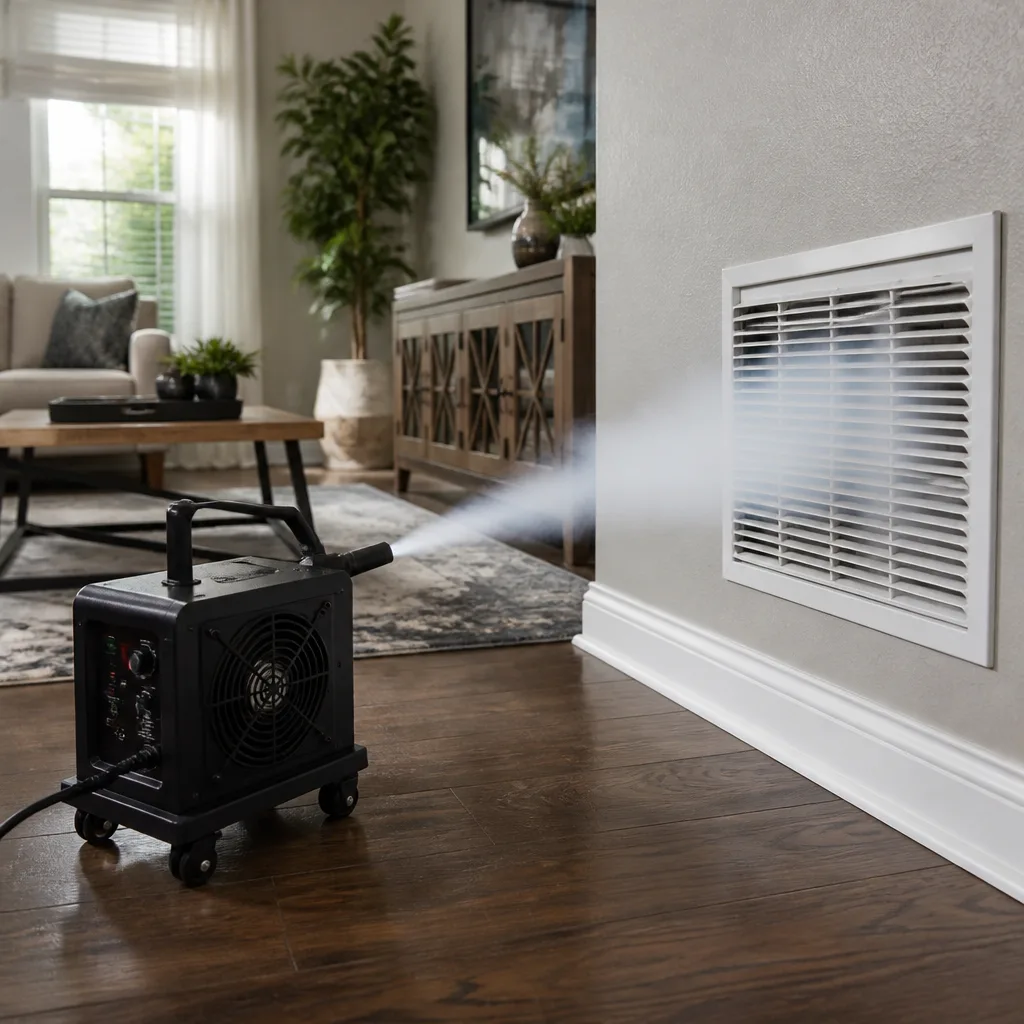 Sanitizing & deodorizing
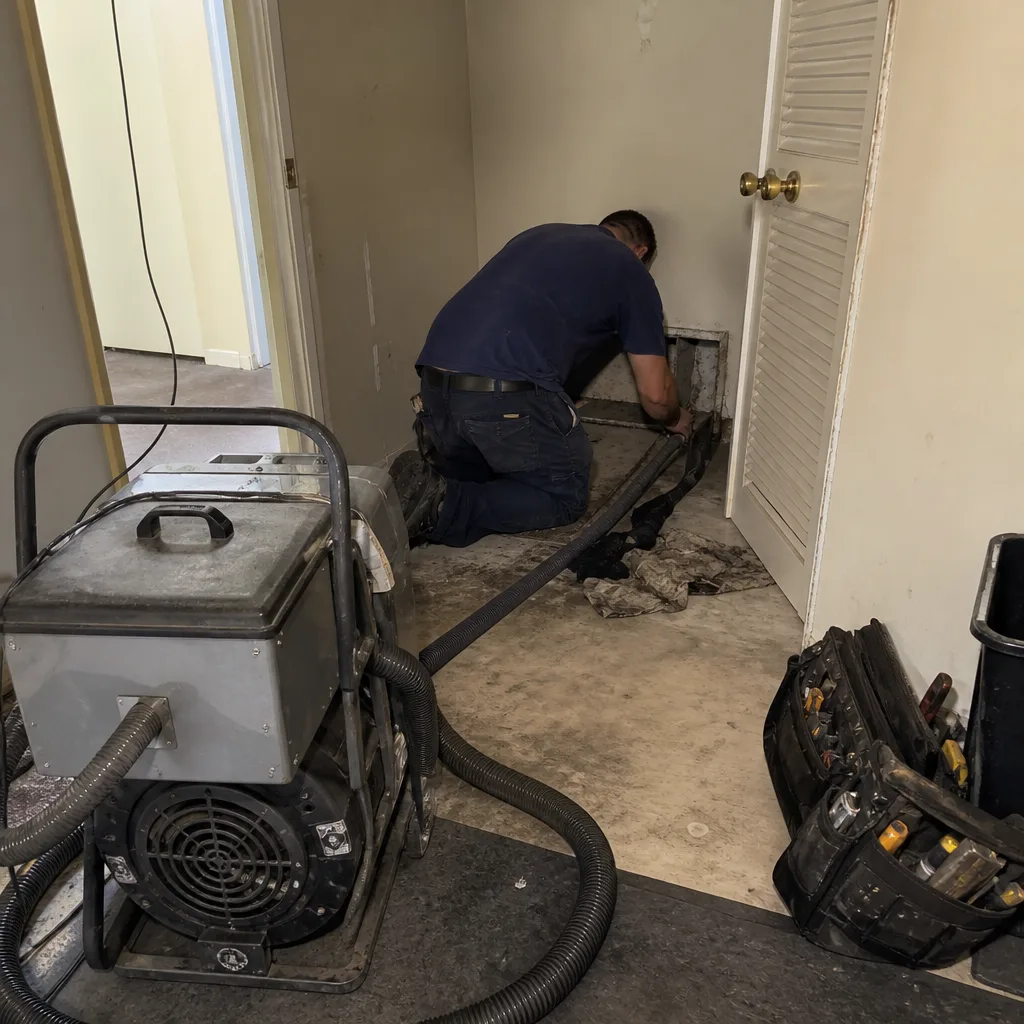
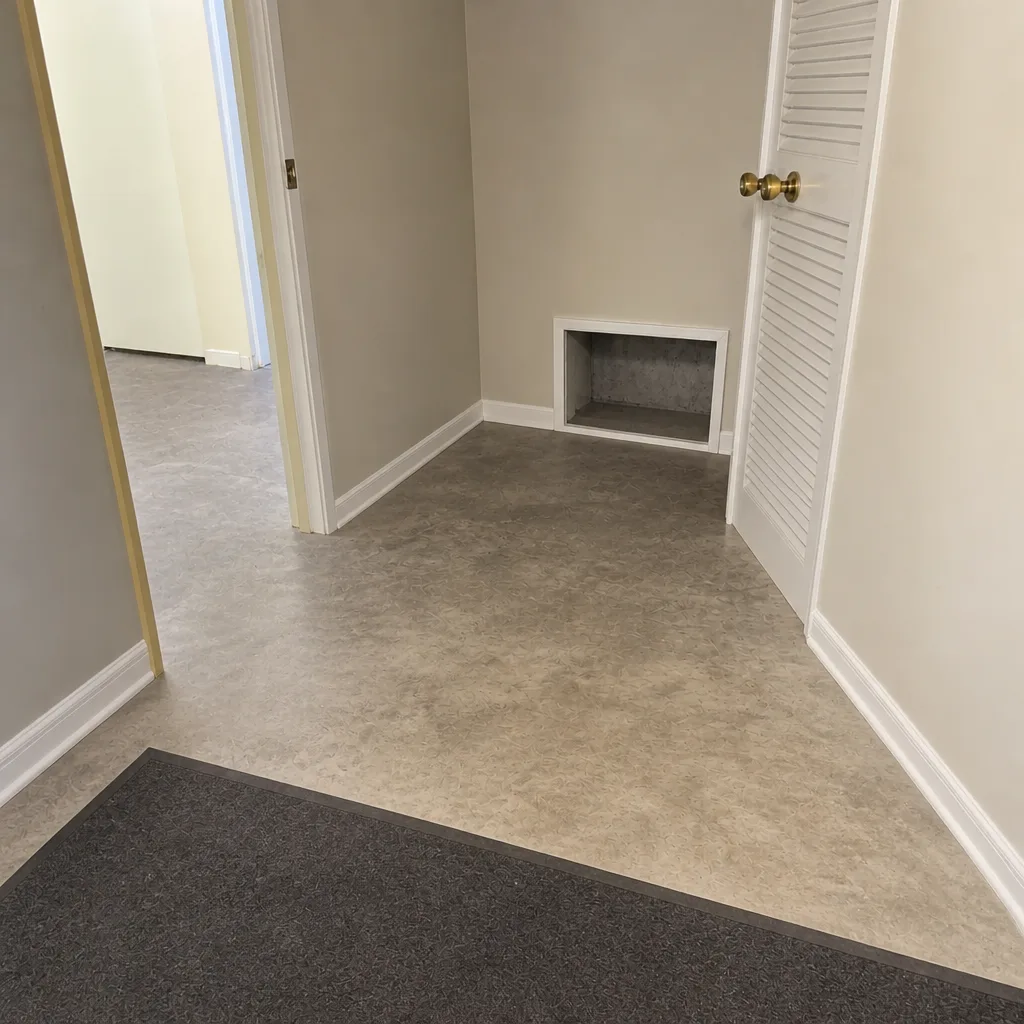
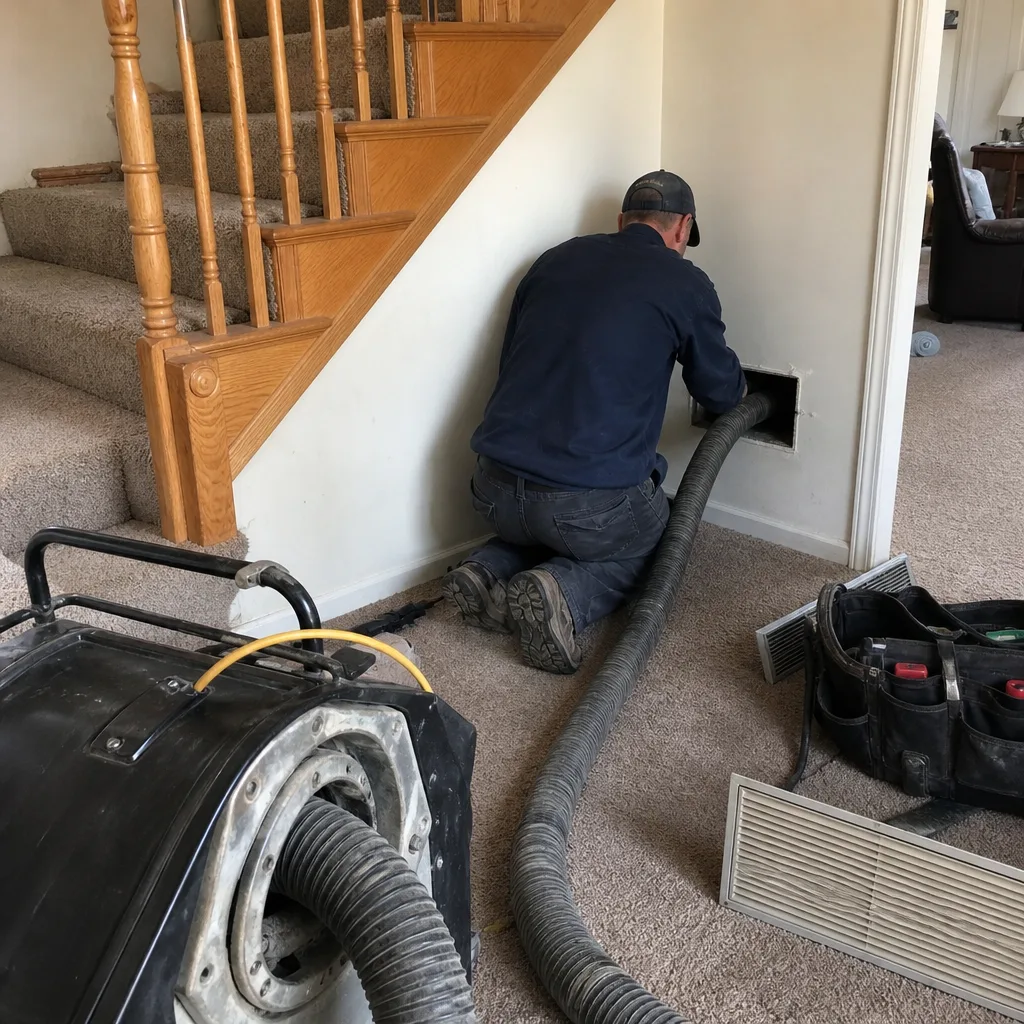
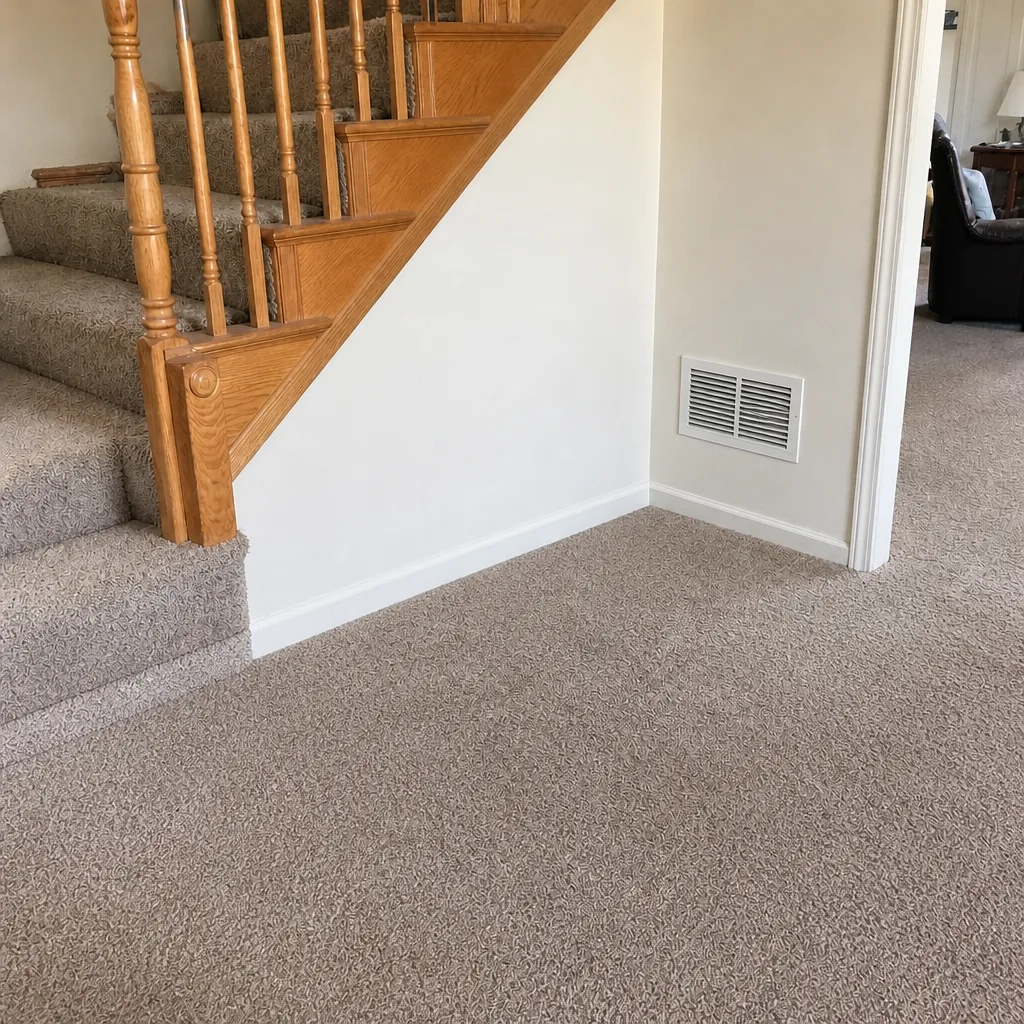
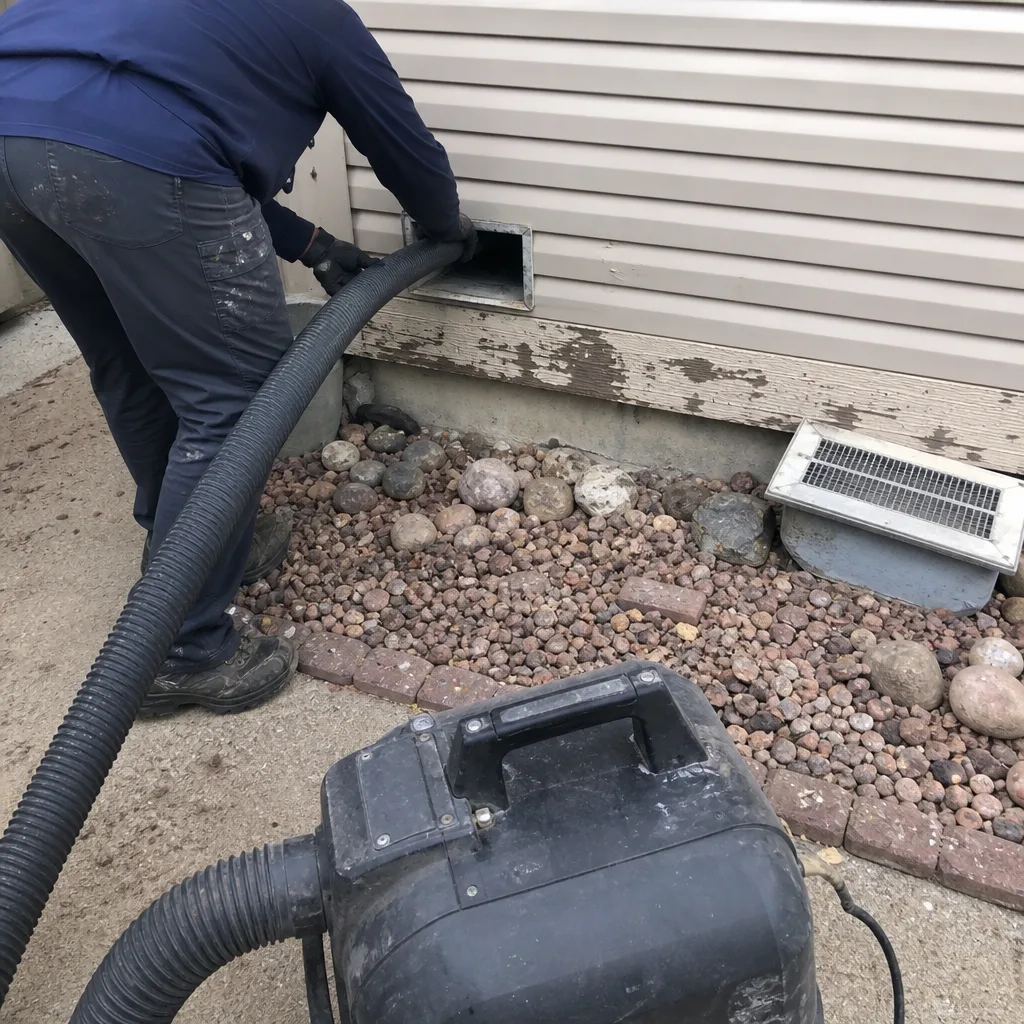
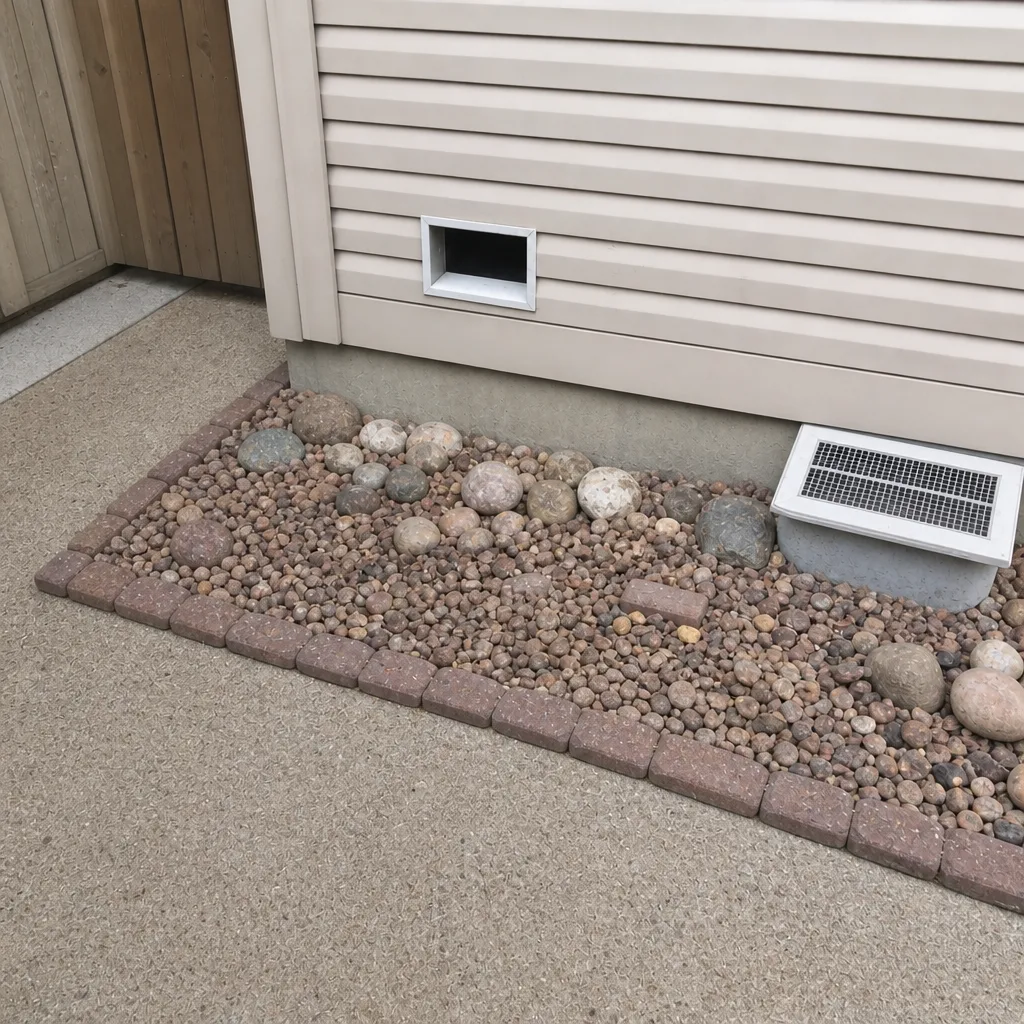
Whole-system duct and dryer vent check with before-and-after photos - you see exactly what came out of your vents
That "$99 whole-house special" is a bait ad - the real number appears once they are in your hallway, or the "clean" is a shop-vac at the register. We photograph the inside of your ducts before and after instead.
Air Duct Cleaning Troubleshooting in Colorado Springs: Common Problems and How to Fix Them
If one room in your house is always too hot or too cold no matter what you do to the thermostat, the furnace usually gets blamed first. Here’s the part most homeowners miss: a furnace that runs, heats, and cycles normally is often doing its job while the ductwork attached to it quietly fails. We look at duct complaints across Colorado Springs every week, and the pattern repeats more often than not. Collapsed flex runs, negative pressure zones, and simple blockages produce symptoms that look exactly like equipment failure. This guide teaches you to read what your ducts are already telling you, room by room, so you can describe the real problem accurately when you call.
Quick Answer
Airflow and air-quality problems in Colorado Springs homes are usually duct-side failures, not furnace failures. The three most common causes are a physical blockage, a collapsed or disconnected flex duct section, and negative pressure caused by leaks or undersized returns. A tissue test at each supply register tells you which rooms are starved of air, and a camera inspection tells you why before any cleaning or repair begins.
Styles & brands we work with
- Whole-home duct cleaning
- Dryer vent cleaning
- Camera inspection
- Sanitizing & deodorizing
Table of Contents
- How Do You Map Airflow Problems Room by Room?
- Blockage, Collapsed Duct, or Negative Pressure: What’s the Difference?
- Why Does Colorado Springs’ Altitude Change Duct Diagnostics?
- What Do Musty and Burning Smells From Vents Mean?
- When Is a Camera Inspection the Necessary First Step?
- When Do Ducts Need Repair Instead of Cleaning?
- Why Is Dryer Vent Troubleshooting a Separate Problem?
- What Changes With the Seasons in Colorado Springs?
How Do You Map Airflow Problems Room by Room?
A single square of tissue paper, held against each supply register, gives you a rough map of which rooms are getting air and which are starved. It sounds too simple to be useful, and that’s exactly why it works: you’re not measuring static pressure with instruments, you’re recording what the system already delivers at each outlet. That record is the most useful thing you can hand a technician when you call.
Here’s the sequence:
- Turn the system fan to “on” (not auto) so it runs without the heat or cooling cycling on and off.
- Tear a tissue into a strip about two inches wide and hold it flat against each supply register for five seconds.
- Note how far the tissue bends away from the grille. Strong deflection means good airflow; barely any movement, or a strip that falls flat, means a starved register.
- Walk the whole house and write down the results per room. Group rooms into strong, weak, and dead.
- Repeat at each return grille, holding the tissue against the return face. A return that barely pulls is as much of a problem as a weak supply.
- Note which rooms feel stuffy even when the tissue says air is flowing. That points to a different problem than a blockage.
What you’re looking for is a pattern. One weak room on its own could be a closed damper or a run with a kink. Three weak rooms on the same side of the house usually points to a trunk problem or a collapsed branch. Strong supply but weak return in the same zone is a classic negative pressure signature, and we’ll cover that below. Do this test before you call anyone: it saves a diagnostic visit and it turns a vague complaint (“my house is uneven”) into a specific one (“the two west bedrooms and the hallway bath are starved while everything else is fine”).
What the tissue test can’t tell you
It won’t tell you whether a run is blocked, crushed, or disconnected at a fitting. It also won’t catch leaks in unconditioned space, which pull air out of the duct before it ever reaches the register. Those need a visual inspection of accessible runs and a camera look inside the system. Treat the tissue test as the intake form, not the diagnosis.
Blockage, Collapsed Duct, or Negative Pressure: What’s the Difference?
These three failure modes produce similar symptoms but need completely different fixes, and that’s why cleaning alone so often fails to solve the complaint. A cleaning removes debris. It does not reopen a crushed duct or rebalance pressures.
- Blockage. Something is physically sitting in the run: construction debris, a nest, a disconnected liner, or a chunk of old material. Symptoms usually show up as one or a few starved registers with the rest of the house fine. Cleaning with professional-grade equipment (we use Rotobrush and Nikro systems, not portable vacuums) plus a camera check usually resolves it.
- Collapsed flex duct. Flexible duct runs sag, kink, or get crushed under weight, especially where they cross attic joists or turn sharply at a fitting. A collapsed run is a permanent restriction, and no amount of cleaning restores it. The section has to be replaced. Symptoms: a register that flows well when you tap the duct nearby and then falls flat, or a room that has never performed since a remodel.
- Negative pressure. Leaks in the return side or an undersized return path pull air from the house faster than the supply can deliver it. The system starves itself and can pull dust and attic air into the living space. Symptoms: weak flow at every return combined with strong supplies, whistling at doors, dust settling on horizontal surfaces near the center of the house, and comfort that varies room by room even after cleaning.
If you called for cleaning and the airflow problem didn’t improve, the likelihood is high that you were sold a cleaning when the real issue was a repair or a pressure problem. That’s a core reason we offer air duct cleaning and air duct repair from the same provider. We clean it, and if we find damage, we fix it on the same visit rather than handing you a second phone number.
Why Does Colorado Springs’ Altitude Change Duct Diagnostics?
Colorado Springs sits at about 6,035 feet above sea level, and thinner air at that altitude means a duct system that was sized and installed to general standards can behave differently than it would at sea level. Less dense air carries less heat per cubic foot, so a blower moving the same volume delivers a smaller heating effect. The practical consequence: static pressure readings and airflow measured in Colorado Springs need to be interpreted with altitude in mind, and a duct run that performs acceptably at lower elevation can come up short here.
Two things matter most for diagnostics at altitude:
- Static pressure margins are tighter. A marginal system that has a bit of debris, a couple of partial kinks, and slightly leaky returns is more likely to show comfort complaints here than in a lower-altitude city. Small deficits add up faster.
- Comfort complaints track the seasonal swing. Colorado Springs homes run both heating and cooling across the year, and a system in a pressure-marginal house can feel fine in mild months and uneven in the extremes. That’s a duct symptom, not a thermostat failure.
What this means for you as a homeowner is that a technician who interprets your ducts using off-the-shelf rules of thumb may miss the real cause. When we inspect ducts in Colorado Springs, the elevation is part of the context, not an afterthought. We look at airflow at the register, pressure across the system, and the accessible duct runs, then we tell you which of the three failure modes above fits what we measured.
What Do Musty and Burning Smells From Vents Mean?
The location of an odor tells you more than the odor itself. A smell that shows up at one vent points to a problem in that specific run or register. A smell distributed across the whole system points to the equipment, the return path, or something growing or sitting inside the ductwork.
Use this to narrow things down:
- Musty smell at one vent only: moisture in that run, often where a duct passes through a humid or unconditioned space and condensation has collected. In Colorado Springs, attic runs and crawlspace runs are the usual suspects because of the wide daily temperature swing.
- Musty smell throughout the house: something in the returns or the plenum is holding moisture, or the coil area has a problem. This kind of smell usually gets worse when the fan first kicks on and then fades.
- Burning or hot-plastic smell from one vent: the duct or its liner is near a heat source. Stop using the system and get it looked at before running it again.
- Burning smell distributed system-wide: this is more likely to be a motor or electrical problem in the furnace itself, which is outside duct scope. Shut the system down and call an HVAC technician. It’s a safety call, not a cleaning call.
- Dusty or “drywall” smell after a remodel: construction debris in the runs, a very common situation in Colorado Springs given how much remodeling happens in the older neighborhoods and the newer builds on the north and east sides.
Odors are one of the few duct symptoms a homeowner can’t reasonably diagnose alone, because the source is often hidden inside a run. If the smell is consistent, persistent, and traced to a specific vent, a camera inspection is the right first move.
When Is a Camera Inspection the Necessary First Step?
A camera inspection is the necessary first step whenever the symptom is “airflow is wrong at a specific register, and cleaning hasn’t fixed it.” That’s the pattern that calls for eyes inside the run before any cleaning begins, because if a duct is collapsed, cleaning it further is wasted effort on a run that has to be replaced anyway.
What a camera reveals:
- Whether a starved run is blocked or crushed. These look identical from the register and need entirely different fixes.
- Disconnected fittings. A run that has separated at a joint injects attic or crawlspace air into the system. Cleaning a disconnected run just delivers dirty air to the room.
- Debris type and distribution. Construction dust, drywall fragments, rodent evidence, and old liner material each call for a different cleaning approach and, sometimes, a repair first.
- The state of flexible duct runs. Flex is forgiving to install and unforgiving to inspect, and a camera shows kinks and collapses that a flashlight can’t reach.
When we run a camera on a Colorado Springs job, a Rotobrush camera is typically our tool. It lets us see inside the run without cutting into finished walls or ceilings, and it lets us decide whether you need cleaning, repair, or both before we start. The camera also produces before-and-after images, so you’re seeing what we saw, not taking our word for it. That matters when the industry’s reputation problem is that some companies do a lot of work you can’t verify.
When Do Ducts Need Repair Instead of Cleaning?
Ducts need repair rather than cleaning when the problem is structural: a crushed flex run, a separated fitting, a disconnected takeoff, or a run that has been damaged by a remodel or by pests. Cleaning restores a working duct to a clean state; repair restores a failing duct to a working state. Doing the second without the first won’t solve your airflow complaint, and doing the first without the second wastes your money.
Signs you’re looking at a repair job:
- The tissue test shows a starved register that doesn’t improve when you close other dampers to force air toward it.
- A room has never performed well since a remodel or a duct modification.
- The camera shows debris that looks like insulation or liner material, meaning the duct structure itself has been compromised.
- Airflow at a register sounds like a rush but doesn’t move the tissue, which suggests a leak before the outlet.
- You can see a run in the attic or basement that is visibly crushed, sagging, or disconnected.
Air duct repair is one of our three core services, and it’s why we carry professional diagnostic tools on a cleaning call. When we find damage during a Colorado Springs cleaning visit, we can address it rather than asking you to schedule a second company. Ask any duct company you call whether they can repair, not just clean. The answer tells you how the visit will actually go.
Why Is Dryer Vent Troubleshooting a Separate Problem?
A dryer vent is not part of your HVAC ductwork, and a clogged one is a fire risk rather than a comfort issue. The U.S. Fire Administration links clogged dryer vents to thousands of residential fires annually. That’s why we treat dryer vent cleaning as a dedicated service, not an afterthought added to a duct cleaning invoice.
Dryer vent symptoms look different from HVAC duct symptoms:
- Clothes take longer than they used to, or need a second cycle to dry.
- The outside vent flap doesn’t open fully or at all while the dryer runs.
- The dryer itself gets hot on top or at the door.
- Lint accumulates around the vent connection at the back of the dryer.
- A visible lint layer shows inside the vent run when you check the exterior hood.
Colorado Springs’ dry climate doesn’t remove the risk. Lint builds up regardless of humidity, and a long, flex-heavy vent run through a wall or roof is more prone to buildup than a short straight one. A blocked dryer vent is one of the few duct-side problems with a hard safety consequence, so treat a slowdown as a reason to clean it now rather than when it stops drying entirely.
What Changes With the Seasons in Colorado Springs?
Duct symptoms in Colorado Springs change with the season because the system is used differently across the year. A duct problem that’s invisible in one season can be the main complaint in another, and that makes it easy to mistake a duct issue for a seasonal comfort issue.
- Spring and early summer. Cooling starts up, and the starved rooms that got blamed on winter drafts reemerge as “my A/C isn’t working in that room.” Same duct problem, different season.
- Peak summer. Long afternoon cooling cycles push static pressure, and marginal ducts show the biggest comfort gaps. Weak airflow here is usually a duct or a pressure problem, not a low refrigerant charge.
- Fall. The heating changeover is the best moment to run the tissue test, because the register map will show you which runs are already marginal before you need them.
- Winter. Colorado Springs’ cold, dry nights are when uneven heating is most noticeable. A room that “feels drafty” from a vent is usually a register that’s under-delivering, not a window problem.
One rule of thumb we share with homeowners: run the tissue test at the fall changeover every year. Duct systems degrade slowly, and a check at the start of the heating season catches a kinked flex run or a partial blockage before it turns into a cold bedroom in January. If you find a starved register, call and describe the pattern. The map you wrote is a real diagnostic asset.
Common Mistakes to Avoid
- Assuming the furnace is the problem because it’s the thing you can see. A furnace that runs normally while one room is starved is usually sitting on a faulty duct. Look at the ducts first.
- Hiring cleaning for a symptom that needs diagnosis. If the complaint is a specific starved register, a camera look should come before a cleaning. Cleaning a collapsed duct is wasted money.
- Accepting a per-vent cleaning quote without a system-wide scope. Per-vent pricing encourages a fast pass over the easy vents. Ask for a whole-system scope and a written estimate before work starts.
- Skipping the return side. Negative pressure is a return problem, and a company that only cleans supplies won’t touch it.
- Assuming a newer Colorado Springs home is duct-clean. Construction debris in runs is a common issue in recently built homes on the north and east sides, and it’s often the reason a new home feels stuffy.
- Putting off dryer vent cleaning because the dryer still dries. A slow dryer is the warning, not the failure. The fire risk is what you’re preventing.
- Hiring a company that only cleans and can’t repair. If a visit uncovers damage, a repair-capable company can fix it in the same trip. A cleaning-only company can only hand you a referral.
See the difference
 Before
 After
 Before
 After
 Before
 After
When to Call a Professional
Call a professional when the tissue test shows a specific starved register you can’t fix by opening a damper, when the same room has been uncomfortable for more than one season, when you see visible duct damage in the attic or basement, when a persistent smell traces to one or more vents, or when a dryer is taking noticeably longer than it used to. Those are the scenarios where a camera inspection and a proper look at the system are worth the call, and where cleaning alone is unlikely to solve the problem. Call earlier rather than later if you’ve already had a cleaning and the symptom is still there. That’s the clearest signal you’re dealing with one of the three failure modes, not simple dirt. Flagship Air Duct Cleaning offers free estimates in Colorado Springs. Call (866) 293-3740.
Frequently Asked Questions
Because that room’s duct run is under-delivering, usually from a collapsed flex section, a partially blocked run, or a takeoff that’s too small for the demand. Run the tissue test at that register and compare it to a strong register elsewhere. If the difference is clear and closing other dampers doesn’t fix it, a camera inspection is the next step. Call (866) 293-3740 for an exact quote; estimates are free.
Sometimes, but only when the cause is a blockage. Cleaning won’t fix a crushed duct or a negative pressure problem. If you’ve already paid for cleaning and the airflow didn’t improve, the remaining issue is repair or balance, not more cleaning. That’s the point where a camera inspection and a repair quote make sense.
Signs include weak return grilles combined with strong supply airflow, doors that are hard to close or whistle, and dust settling on horizontal surfaces in the middle of the house. Negative pressure usually means leaks in the return side or an undersized return path. It can also pull attic or crawlspace air into the living space, which is an air quality issue, not just a comfort issue.
Usually because the scope is smaller: the cheap quote often covers a quick pass over easily reached vents with consumer-grade equipment, without a return-side look, a camera, or a repair option. Ask what equipment they use, whether the returns are included, and whether they can repair damage if they find it. A whole-system cleaning with professional tools is a different job than a per-vent pass. Call (866) 293-3740 for a free estimate with a written scope.
Ask for before-and-after photos of your own ducts, not stock images. Professional equipment with a camera makes this straightforward, and any company that runs a Rotobrush or Nikro system should be able to show you the inside of your own runs. We provide before-and-after photos as part of the standard visit, so the proof is yours to keep.
Most homes fall in a multi-year window, with the timing driven by conditions rather than a fixed calendar. Homes in newer construction with construction debris in the runs, homes with pets, homes near ongoing remodeling, and homes where the tissue test already shows starved registers need attention sooner. A yearly tissue test at the fall changeover is the practical check; clean when the test or the symptoms tell you to, not on a schedule someone else set.
The Bottom Line
The most useful thing this guide can leave you with is a habit, not a fact: check the tissue test before you call. A starved register that hasn’t improved since a cleaning is almost never a furnace problem. It’s a duct-side failure, and there are only three real candidates. Blockage, collapse, and negative pressure each point to a different fix, and a camera inspection is what tells them apart. Handle the smell and the dryer safety issues promptly. Skip the per-vent shortcuts and ask for a whole-system scope. And if you’re in Colorado Springs, note that the altitude is part of your system’s story. Flagship Air Duct Cleaning works with existing Honeywell and Aprilaire IAQ setups rather than around them, uses Rotobrush and Nikro equipment, and can repair what we find. Our technicians have up to 9 years of experience, every estimate is free and written, and the price is set per job before work starts.
Talk to Us About Your Ducts
If your tissue test shows a starved register, a persistent smell, or a dryer that’s taking longer than it should, call (866) 293-3740 for a free estimate. We answer 24/7. Fast dispatch from 7am to 7pm, Sunday through Friday. Tell us the pattern you found room by room, and we’ll tell you which of the three failure modes fits what you’re describing. Flagship Air Duct Cleaning handles air duct cleaning, dryer vent cleaning, and air duct repair across Colorado Springs, and we bring the professional-grade equipment that turns a symptom into a diagnosis and a diagnosis into a fix.
Written by the team at Flagship Air Duct Cleaning.